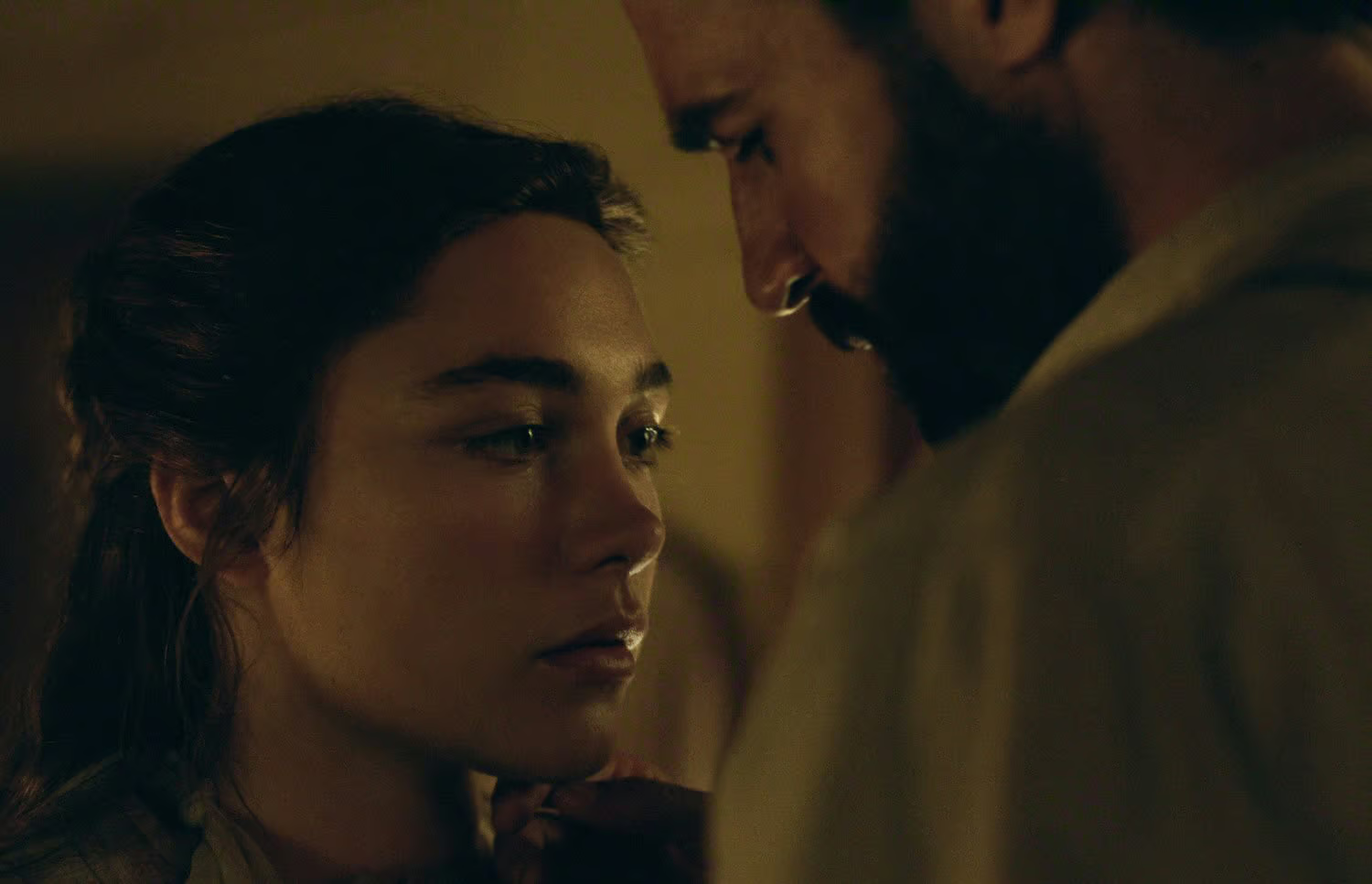
Netflix’s ‘East of Eden’ Ending Explained: The Meaning Behind the Final Scene and ‘Timshel’
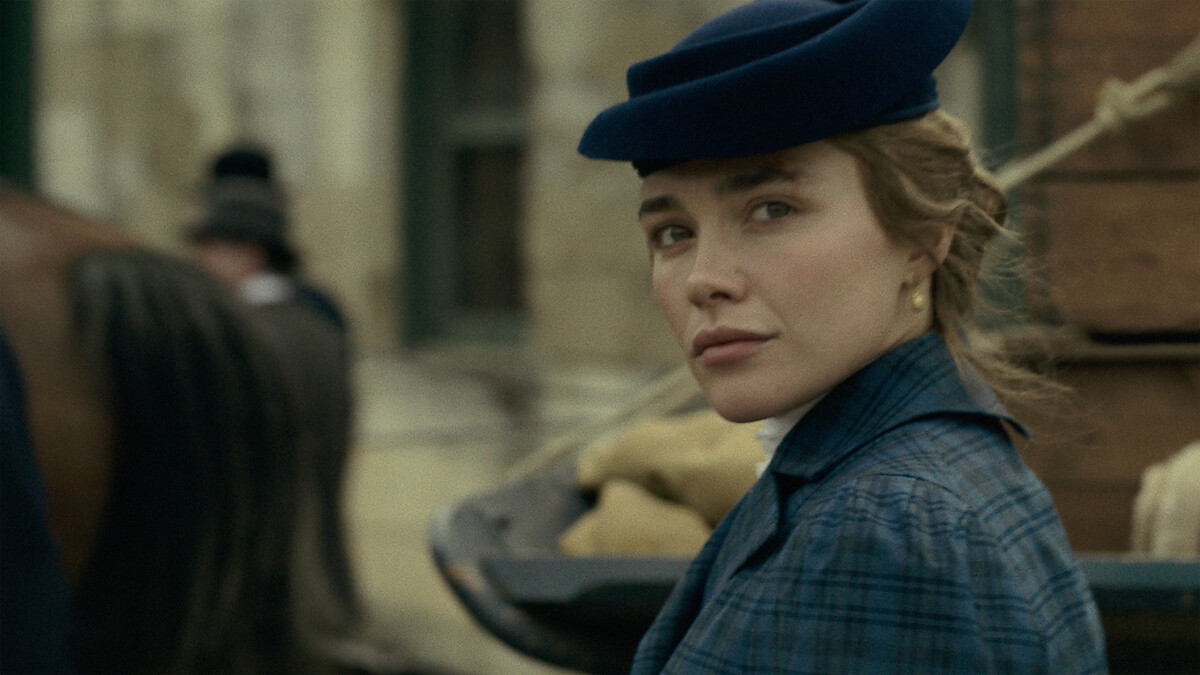
The concluding episode of Netflix’s limited series East of Eden brings John Steinbeck’s generational tragedy to a poignant close. Directed by Garth Davis and adapted by Zoe Kazan, the finale crystallizes the central question running through the seven-part drama: Are human beings bound to repeat the sins of their ancestors, or do they possess the free will to choose their own moral destiny?
Florence Pugh’s Cathy Ames casts a long shadow across the Trask family, but the final moments shift the weight of her legacy entirely onto the shoulders of her surviving son, Cal (Joseph Zada).
The Breaking Point: War Profiteering and the Truth Revealed
The tragedy accelerates when Cal tries to redeem his standing in the eyes of his father, Adam (Christopher Abbott). Following Adam’s disastrous financial loss in a refrigerated lettuce shipping venture, Cal partners with Tom Hamilton to speculate on bean futures amid World War I.
Cal presents Adam with a gift of $15,000 in cash during a family dinner. Rather than earning approval, Adam—an embittered military veteran—is repulsed by wealth extracted from war casualties and flatly rejects the money.
Wounded and defensive, Cal faces harsh judgment from his golden-boy twin brother, Aron (Joe Anders), who declares he is finished shielding Cal from consequences. Driven by spite and heartbreak, Cal shatters Aron’s sheltered reality by dragging him to Kate Albey’s Salinas brothel, revealing that their supposedly deceased saint of a mother is alive and running a den of vice. A devastated Aron punches Cal in the face before vanishing into the night.
Cathy’s Final Spiral
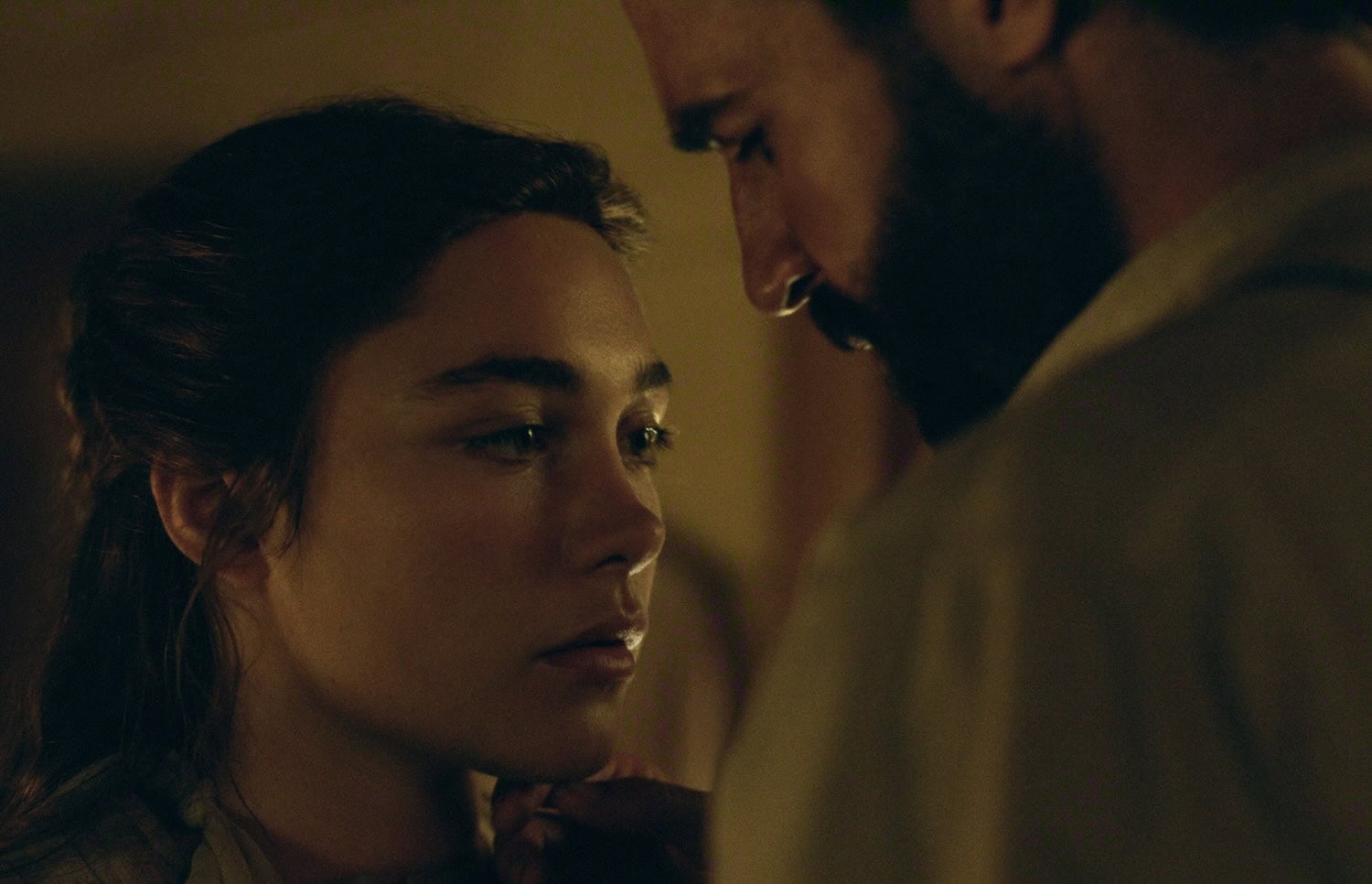
Confronted by both of her estranged sons, Cathy’s brittle control collapses entirely. Plagued by hallucinations and hearing the voice of Charles Trask (Mike Faist), she reaches a grim dead end:
-
The Will: In a final act of manipulation, Cathy drafts a will leaving the entire brothel estate to Aron.
-
The Suicide: Dispatching an employee on an errand, Cathy ingests a fatal dose of morphine.
-
Despite years of abandonment, Adam insists on claiming her body from authorities.
War, Betrayal, and the Fatal Telegram

Reeling from the revelation about his mother, Aron abruptly drops out of Stanford University and enlists in the army. The shock induces a cerebral hemorrhage in Adam.
While Aron is deployed overseas, Cal reconnects with Aron’s fiancée, Abra Bacon. Finding common ground in their shared emotional isolation, the two share a tender picnic and a kiss among blooming azaleas.
Their brief respite is shattered when a military telegram arrives: Aron has been killed in action on the battlefields of France. Upon hearing the news, Adam suffers a debilitating stroke, leaving him bedridden and paralyzed.
The Power of ‘Timshel’: Breaking the Generational Cycle
Consumed by grief and self-hatred, Cal sits beside his father’s bed and confesses his direct role in Aron’s fate, believing he effectively sentenced his brother to death.
Recognizing that Cal will be crushed under the weight of guilt—just as generations of Trask men were before him—the faithful housekeeper Lee pleads with the dying patriarch to release the boy from damnation.
Gathering what little strength remains, Adam whispers a single Hebrew word:
“Timshel.”
| Concept | Meaning & Significance |
| Biblical Translation | Derived from the Book of Genesis, meaning “thou mayest” (or “thou mayest rule over”). |
| Philosophical Weight | It rejects predestination and hereditary damnation. Man is neither doomed to evil nor coerced into goodness; the choice belongs to the individual. |
| Emotional Resolution | Adam forgives Cal, releasing him from Cathy’s dark inheritance and granting him the moral agency to choose goodness. |
As Cal embraces his father for the very first time on his deathbed, the gesture seals both forgiveness and self-determination—marking the first genuine moment of reciprocal love between father and son.