Forget Band of Brothers: Tom Hanks and Steven Spielberg’s The Pacific Delivers an Even Bleaker, Historically Grounded Portrait of World War II
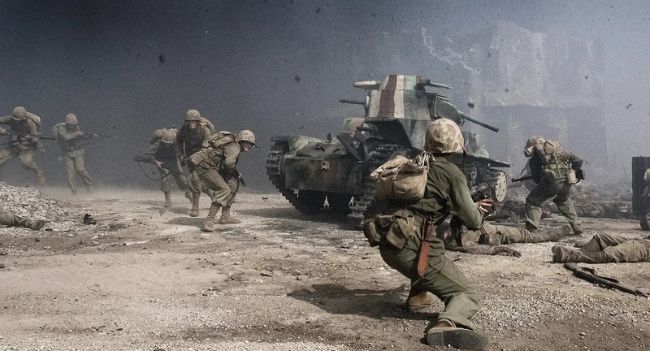
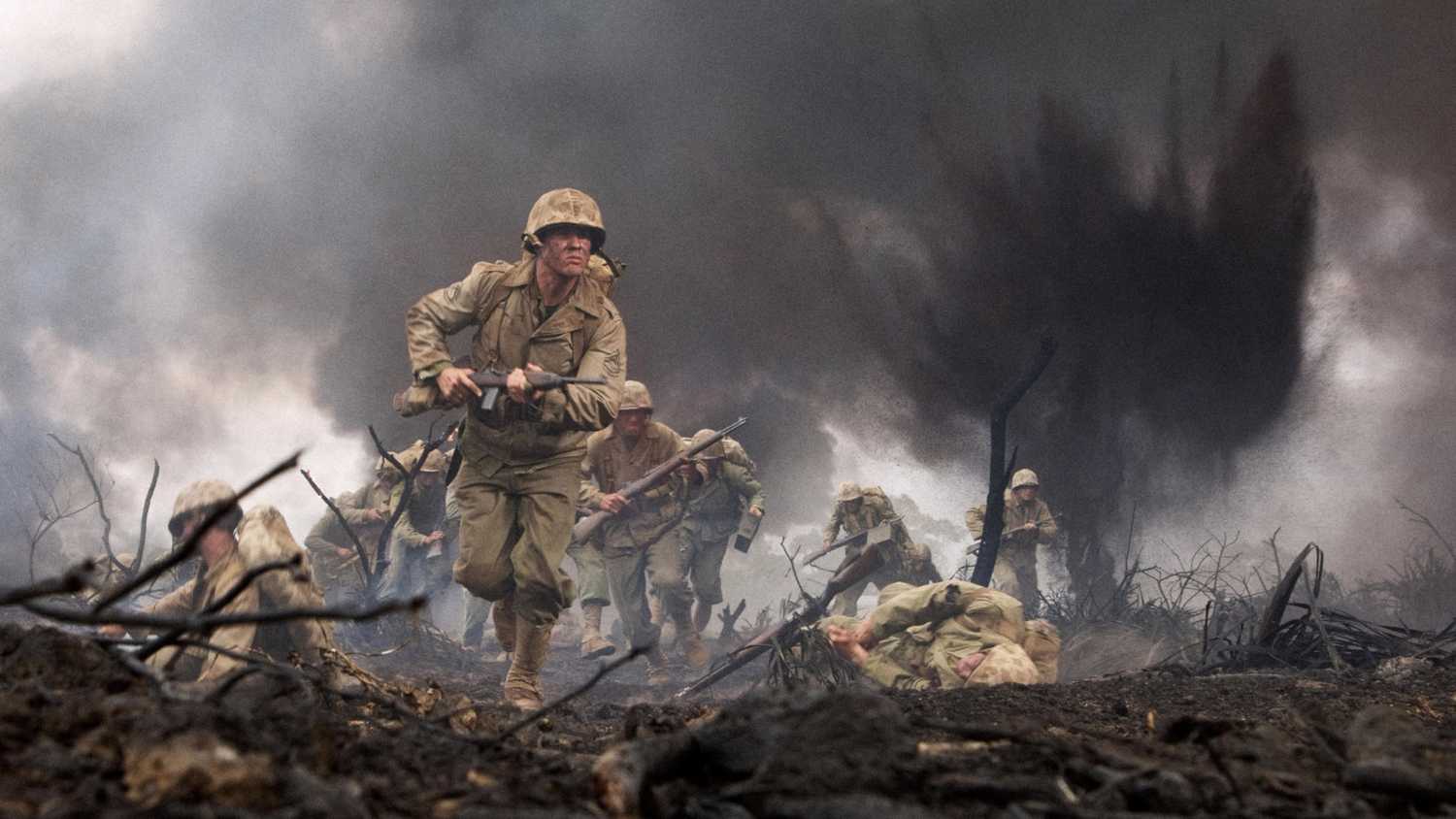
Tom Hanks and Steven Spielberg earned widespread acclaim for bringing the experiences of ordinary soldiers to life in Band of Brothers. But their follow-up World War II miniseries ventured into an even more brutal landscape. Released in 2010, The Pacific examines the experiences of three US Marines fighting across the Pacific Theater, confronting not only the violence of battle but also the psychological and moral damage it leaves behind.
Like its predecessor, the 10-part HBO production has been praised for its historical detail and realistic depiction of combat. Its commitment to authenticity extended from extensive research into uniforms and production design to scenes drawn directly from the wartime memories of the men whose stories inspired the series.
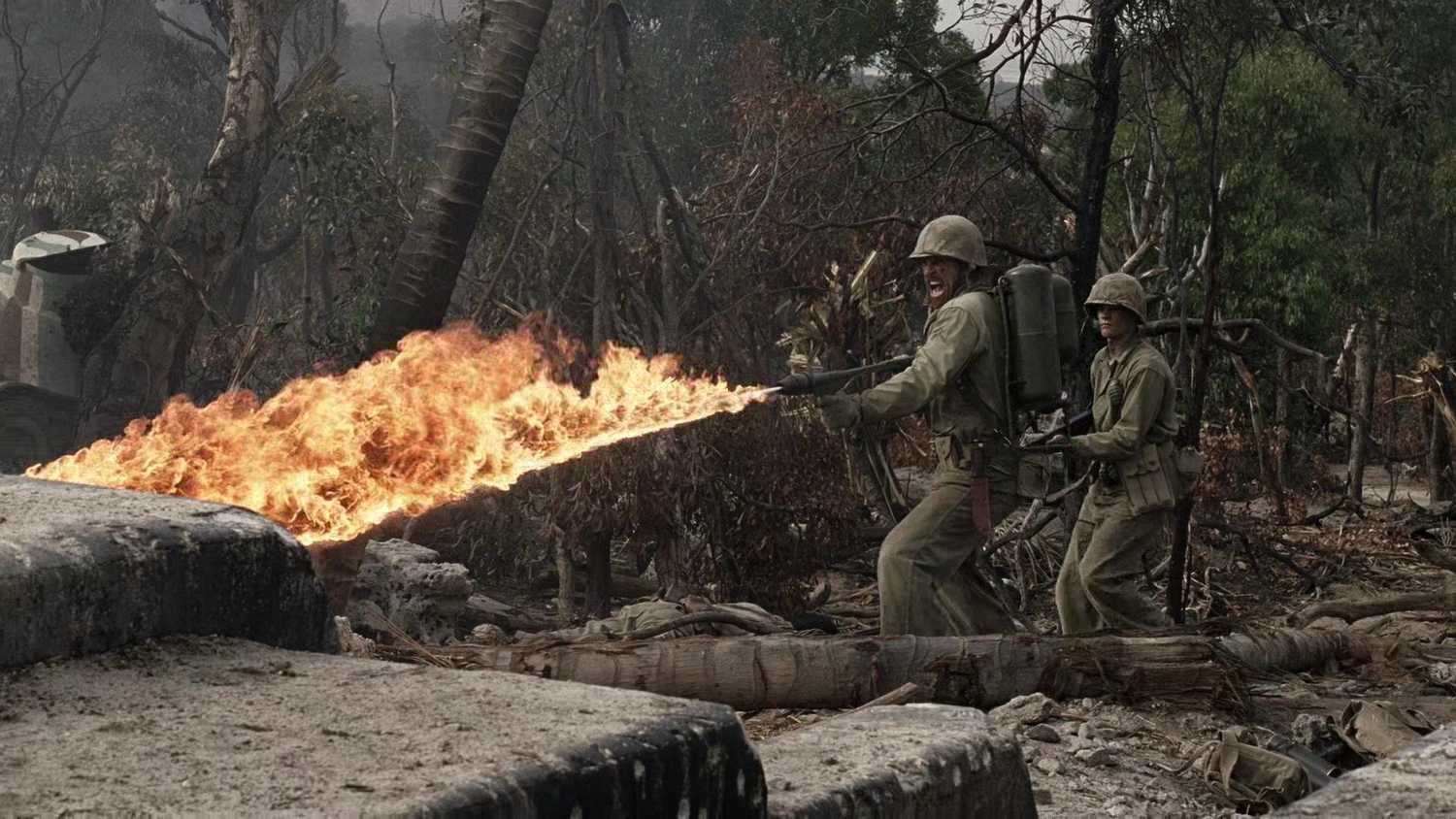
Yet The Pacific does not present war as a straightforward tale of heroism. Its unflinching portrayal of cruelty, racial hatred and the gradual deterioration of those caught in the fighting makes it a considerably darker viewing experience.
From the European Front to the Brutality of the Pacific
The success of Saving Private Ryan established Spielberg’s reputation for depicting World War II combat with a level of physical intensity that audiences rarely experienced on screen. Rather than glorifying battle, the film placed viewers alongside the soldiers, exposing the filthy conditions, constant danger and close bonds that shaped their lives.
Spielberg and Hanks continued that approach with Band of Brothers, which premiered on HBO in 2001. Across 10 episodes, the miniseries followed Easy Company through its campaigns in Europe, exploring the terror of combat and the relationships that helped the men endure it.
Even 25 years after its release, Band of Brothers remains widely regarded as a landmark of television war drama. Its historical research and attention to detail have earned particular praise, although the series was not entirely free of inaccuracies. One notable example concerns Private Albert Blithe, whose story was presented as ending with his death from wounds, despite the fact that he survived the war.
Nine years after Band of Brothers, Hanks and Spielberg returned to World War II with a different focus. Instead of following one company across Europe, their new project explored the Pacific campaign through the experiences of three Marines serving in different regiments.
The result was The Pacific, a series that brought a less familiar and often harsher side of the conflict to television.
## Based on Real Marines and Their Firsthand Accounts
Unlike Band of Brothers, which drew primarily on Stephen E. Ambrose’s book about Easy Company, The Pacific was developed from several historical sources, including memoirs written by the Marines portrayed in the series.
The story centres on three real servicemen:
-
Robert Leckie, played by James Badge Dale.
-
Eugene Sledge, portrayed by Joseph Mazzello.
-
John Basilone, played by Jon Seda.
Their experiences take viewers through major Pacific battles, including Guadalcanal and Iwo Jima. Sledge’s memoir, With the Old Breed: At Peleliu and Okinawa, was a particularly important source for the production. His account conveys the psychological horror of frontline combat, describing the experience as a descent into a world of unimaginable brutality.
Leckie’s memoir, Helmet for My Pillow, also helped shape the series. Together, these firsthand accounts gave the writers a foundation rooted in the memories of men who had actually endured the campaign.
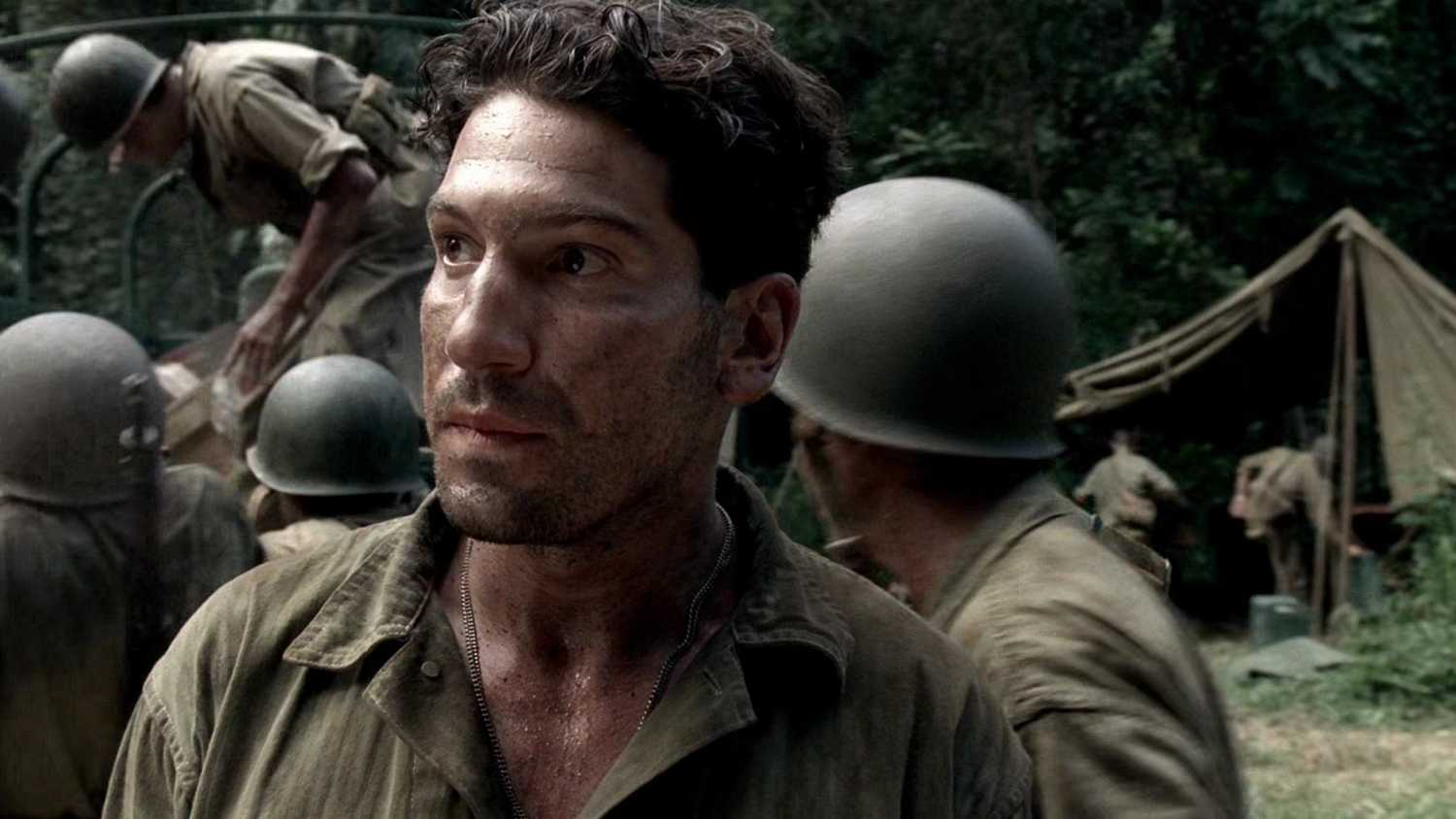
The production’s commitment to authenticity went well beyond its scripts. According to the US Marine Corps, the team spent more than 18 months researching costumes, weapons, equipment, sets and locations to recreate the period as convincingly as possible. Military adviser Dale Dye also described the extensive preparation required to portray Marines from the three regiments of the 1st Marine Division.
The series also follows the major events of Basilone’s military career. He reenlists in the Marine Corps, earns the Medal of Honor for his actions at Guadalcanal, returns to combat and is killed during the Battle of Iwo Jima.
However, the production did make some adjustments. One example involves Basilone’s actions at Guadalcanal, where elements of his story were combined with events associated with another Medal of Honor recipient, Sergeant Mitchell Paige. This illustrates that, despite its extensive research, The Pacific remains a dramatic interpretation rather than a scene-by-scene historical record.
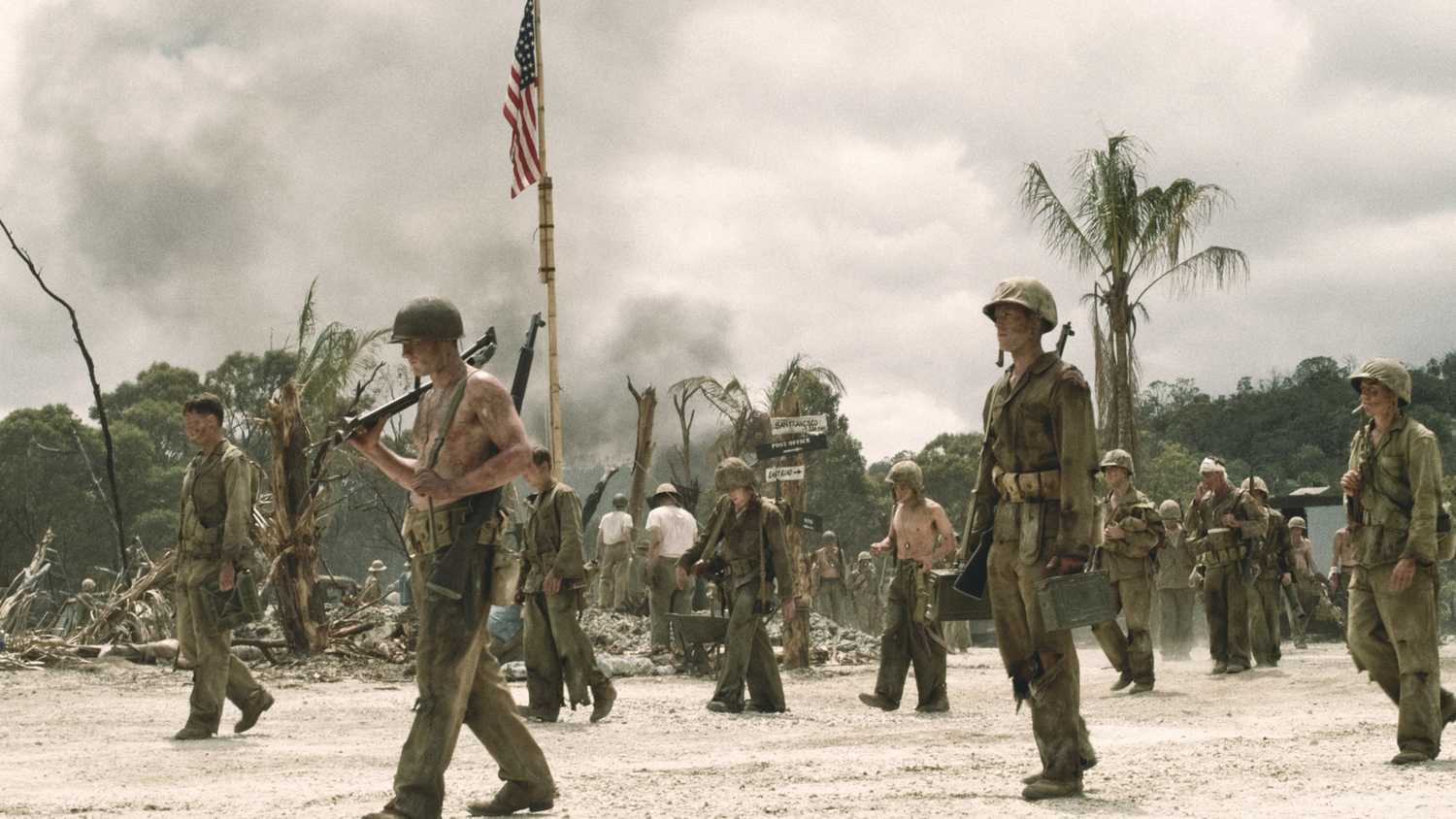
A Brutal Depiction of War That Goes Beyond Battlefield Heroics
One of the most striking differences between The Pacific and Band of Brothers is its portrayal of the psychological and moral consequences of prolonged combat.
Stories about the European front are sometimes framed around liberation, sacrifice and the defeat of Nazi Germany. Band of Brothers certainly depicts the violence of war, but The Pacific takes viewers into an environment where brutality, racial hatred and dehumanisation become central parts of the experience.
The Marines are not simply fighting to defeat an enemy. They are exposed to increasingly disturbing acts of violence while struggling to preserve their own humanity. As the campaign continues, the physical exhaustion and psychological strain become harder to ignore.
The series does not avoid documented examples of cruelty. One disturbing wartime practice was souvenir-hunting, in which soldiers took objects from the bodies of the dead, including gold teeth. The show also depicts the use of civilians as human shields by Japanese forces, a practice reported in historical accounts of the conflict.
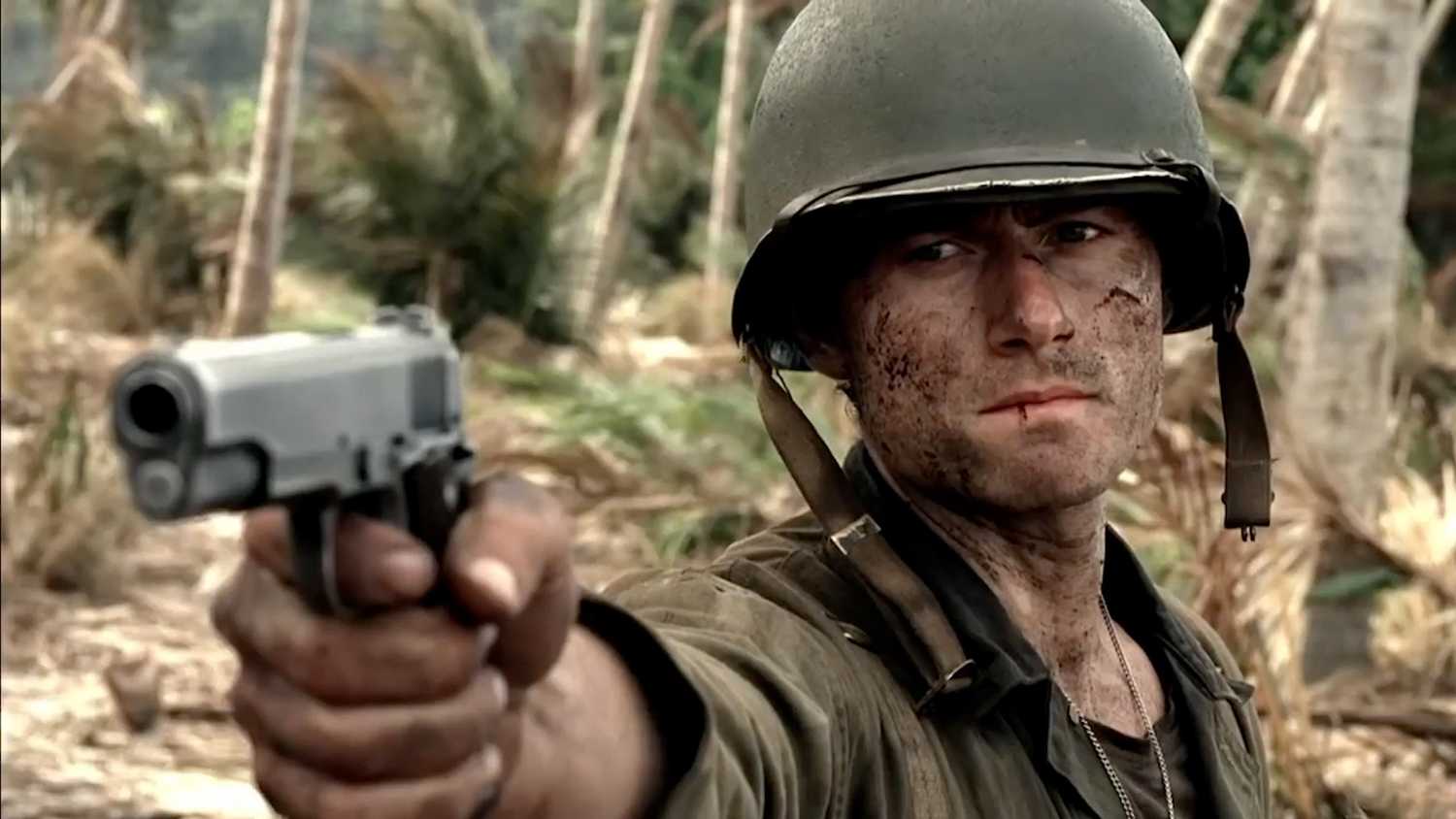
Some of the most unsettling moments are drawn directly from the memoirs that inspired the series. In one scene, Eugene Sledge witnesses Merriell “Snafu” Shelton, played by Rami Malek, throwing stones into the open mouth of a dead Japanese soldier. The incident reflects the disturbing behaviour recorded in firsthand accounts of the Pacific campaign.
Even so, the series stops short of showing some of the more extreme acts of mutilation described in those memoirs. Its depiction is already difficult to watch, but the historical material reveals that certain realities of the war were even more horrifying than what made it onto the screen.
Why The Pacific Remains a Remarkable War Drama
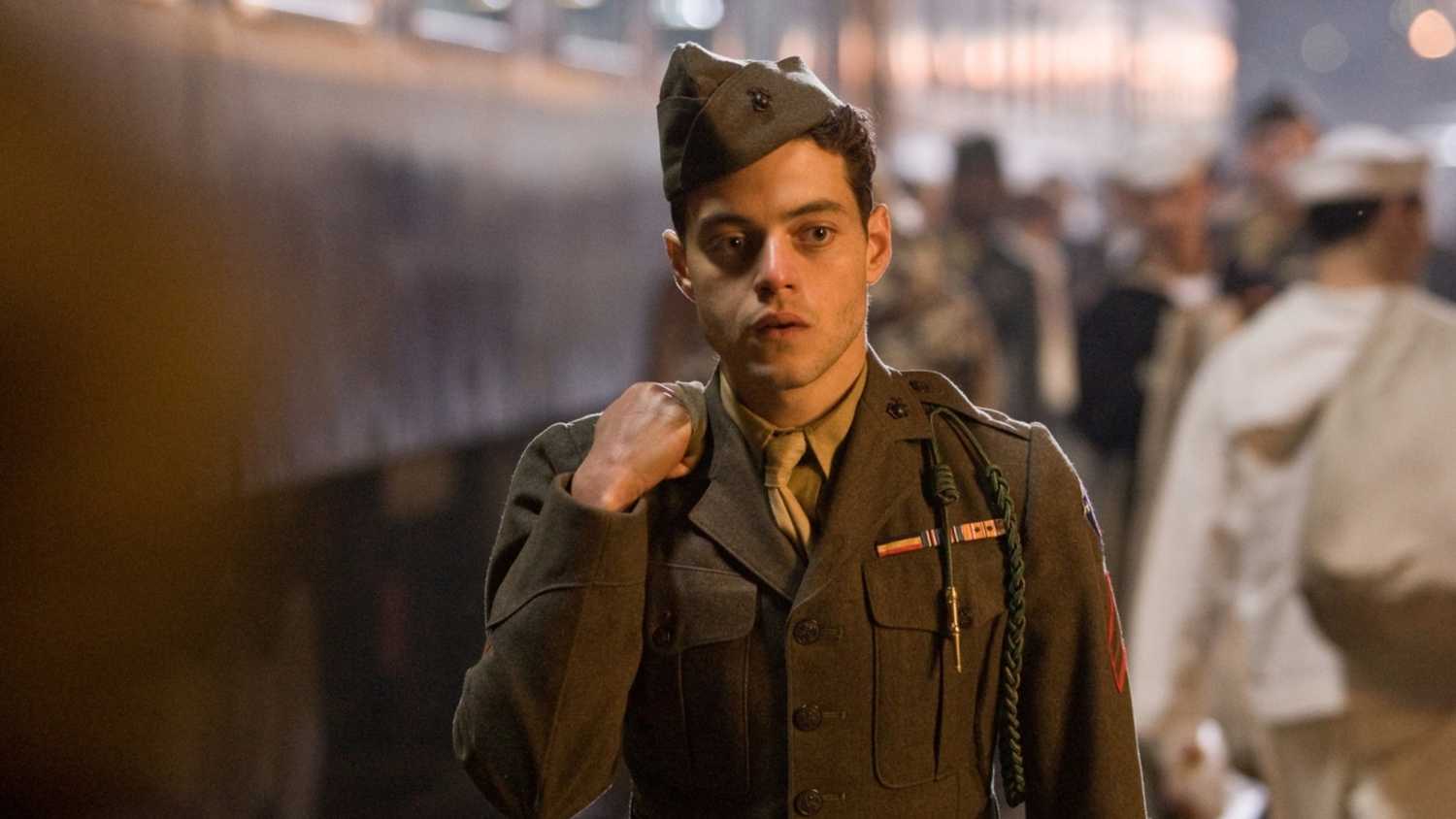
The darker tone of The Pacific may make it a more challenging watch than Band of Brothers, but it is also central to what makes the series so distinctive.
Its production design, attention to military detail and use of firsthand accounts create an immersive portrait of a theatre of war that has received less screen attention than the European campaign. Rather than focusing exclusively on battlefield victories, the series examines what prolonged violence does to the people forced to endure it.
The result is a 10-part miniseries that combines large-scale combat sequences with deeply personal accounts of fear, loyalty, suffering and survival. Its historical details are not flawless, but its commitment to portraying the Pacific campaign without romanticising its horrors remains one of its greatest strengths.
For viewers who appreciated Band of Brothers, The Pacific offers another perspective on World War II — one that is harsher, more psychologically unsettling and just as deserving of attention.