Sebastian Stan’s Fjord Divides With a Political Story That Struggles to Deliver the Nuance It Promises
Sebastian Stan’s latest legal drama aims to explore the clash between religious conservatism and liberal values, but its attempt to present both sides of a child custody battle ultimately feels deeply one-sided. In Fjord, Romanian filmmaker Cristian Mungiu turns a family’s confrontation with Norway’s child protection system into a story about cultural conflict, religious freedom and the limits of tolerance. Yet, rather than offering the balanced examination its subject demands, the film risks reinforcing the very political narratives it appears to be questioning.
Mungiu has built his reputation on tackling difficult social and political issues in contemporary Europe with realism and complexity. His latest film, however, takes a different path, creating a world in which the distinction between persecutor and victim becomes increasingly blurred—and, in the view of this review, ultimately tilts in favor of conservative religious beliefs.

A Family’s Fight Against Norway’s Child Protection System
Loosely inspired by the real-life Bodnariu family case, Fjord follows Mihai Gheorghiu, played by Sebastian Stan, and his wife, Lisbet, portrayed by Renate Reinsve. The conservative Christian couple leave Romania to begin a new life in a small Norwegian town, bringing their children with them.
Their new beginning unravels when a teacher notices bruises on their eldest daughter, Elia, played by Vanessa Ceban. Concerns deepen after another teacher hears their eldest son, Emmanuel, portrayed by Jonathan Ciprian Breazu, mention a confrontation with his mother.
Norway’s Child Protection Services steps in, questioning the children before removing all five siblings from their parents’ care.
As the legal dispute develops, Mihai becomes convinced that the authorities are targeting his family because of their religious beliefs. He seeks support from Romanian officials and conservative religious leaders, who mobilize their communities around the family’s cause.
Through this conflict, Fjord attempts to examine several complicated issues, including xenophobia, cultural differences in parenting, religious conservatism and progressive liberalism. Its central question is whether a state’s responsibility to protect children can collide with a family’s cultural and religious freedoms.
A Story That Appears to Favor the Parents

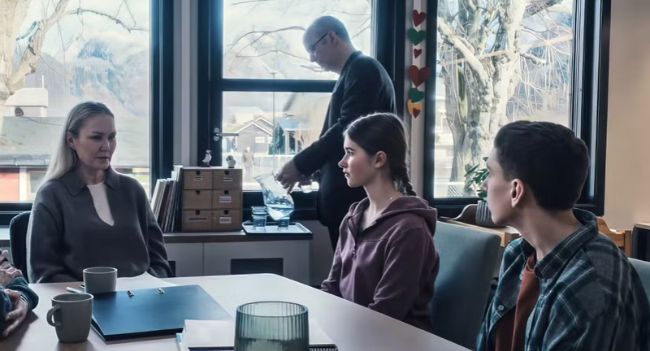
Despite its ambition to explore both sides, Fjord struggles to give its opposing perspectives equal complexity. The Norwegian community is presented as overwhelmingly liberal, with the Gheorghiu family’s conservative beliefs quickly setting them apart.
Many of the people who challenge the parents are portrayed as rigid and unwilling to reconsider their positions. Their neighbor, who also serves as the headmaster of their children’s school, and the child protection official overseeing the case both appear stubborn in their approach. The opposing lawyer is depicted with such smug certainty about the alleged religious persecution that he begins to resemble a caricature.
By contrast, Mihai and Lisbet are repeatedly framed as parents being judged and mistreated because their values differ from those of the surrounding society.
This imbalance becomes the film’s central weakness. Although Mungiu appears interested in the tensions between different worldviews, the Norwegian authorities and community are given little room for genuine complexity. The result is a narrative that encourages sympathy for the conservative family while making their opponents seem unreasonably inflexible.
What the Film Keeps Off-Screen Matters Most
One of Fjord’s more interesting choices is its decision not to show the alleged abuse directly. The incidents that form the basis of the authorities’ concerns are largely conveyed through adults recounting what the children reportedly said or experienced. Even an early interaction between Lisbet and Elia takes place behind a wall that prevents the audience from seeing exactly what happens.
This approach shifts the focus away from establishing a clear account of events and toward the competing interpretations surrounding them. The audience is left to consider how much of the dispute is shaped by evidence, cultural assumptions and ideological beliefs.
In principle, the ambiguity could create space for a more thoughtful examination of the case. Instead, the film’s broader characterization makes its apparent neutrality difficult to sustain. The state and its representatives are depicted as inflexible, while the parents’ religious identity and cultural background seem to be placed on trial.
The ambiguity therefore does not necessarily produce a more balanced debate. Rather, it leaves the ideological conflict at the forefront while the underlying questions about the children’s welfare remain largely unresolved.
A Political Fantasy That Undermines Its Own Argument
The most frustrating aspect of Fjord, according to this review, is its portrayal of a progressive society becoming an instrument of oppression. The film imagines a community so unified in its liberal outlook that its response to a conservative family begins to resemble ideological persecution.
That premise could support a compelling examination of how institutions handle cultural differences and where the boundaries of state intervention should lie. But the review argues that the film presents this conflict in a way that feels disconnected from the wider political reality, particularly in the United States, where conservatives hold substantial power in government.
From that perspective, the story resembles a familiar conservative narrative: that traditional religious communities are under attack by liberal institutions, even when the balance of power in the wider society does not support such a simple interpretation.
The problem is not that Fjord explores religious persecution or questions the authority of child protection services. Both subjects are worthy of serious consideration. It is that the film’s depiction of its characters and institutions appears to steer viewers toward a predetermined conclusion while maintaining the appearance of political neutrality.
Sebastian Stan and Renate Reinsve Deliver Strong Performances
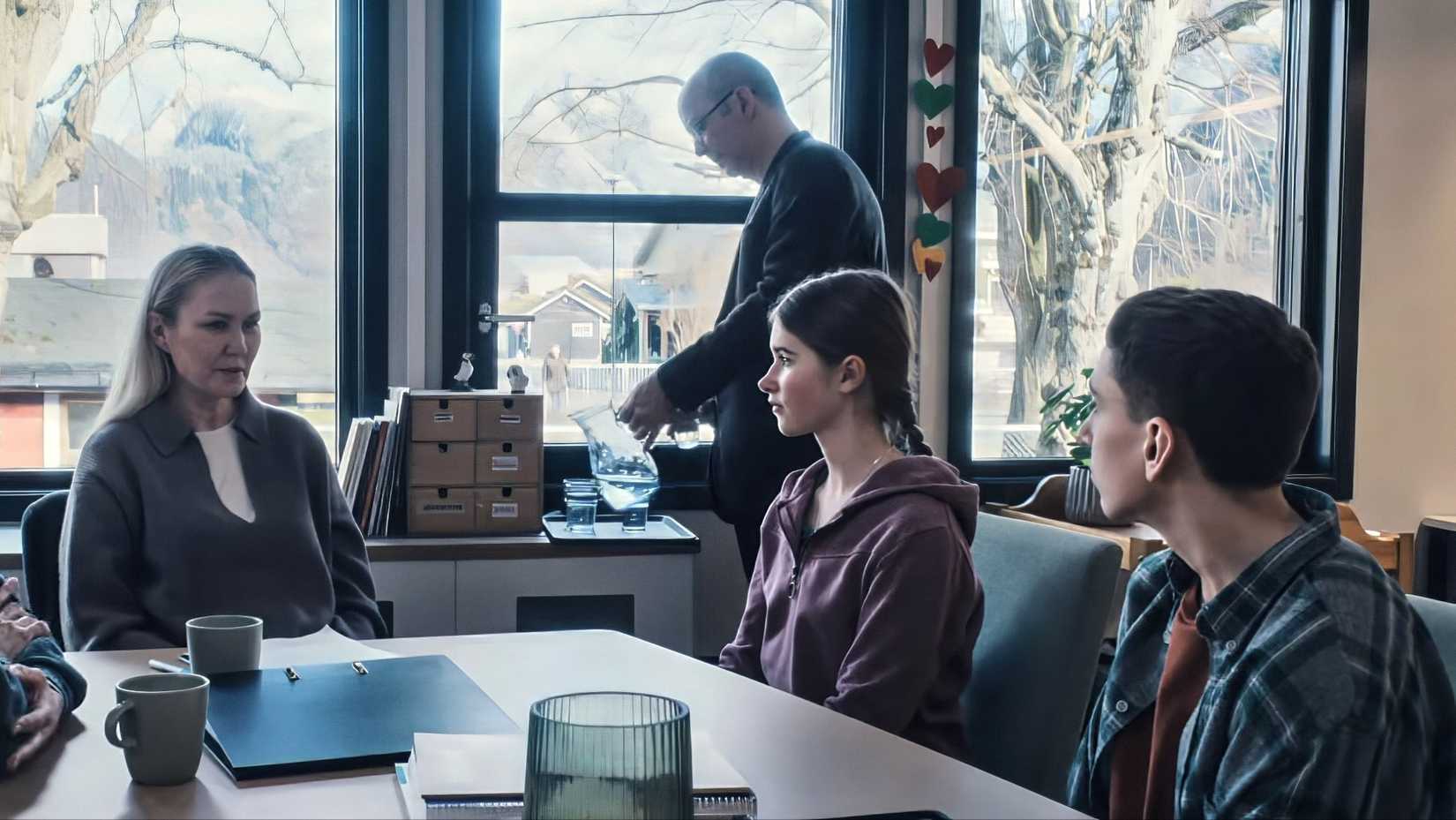
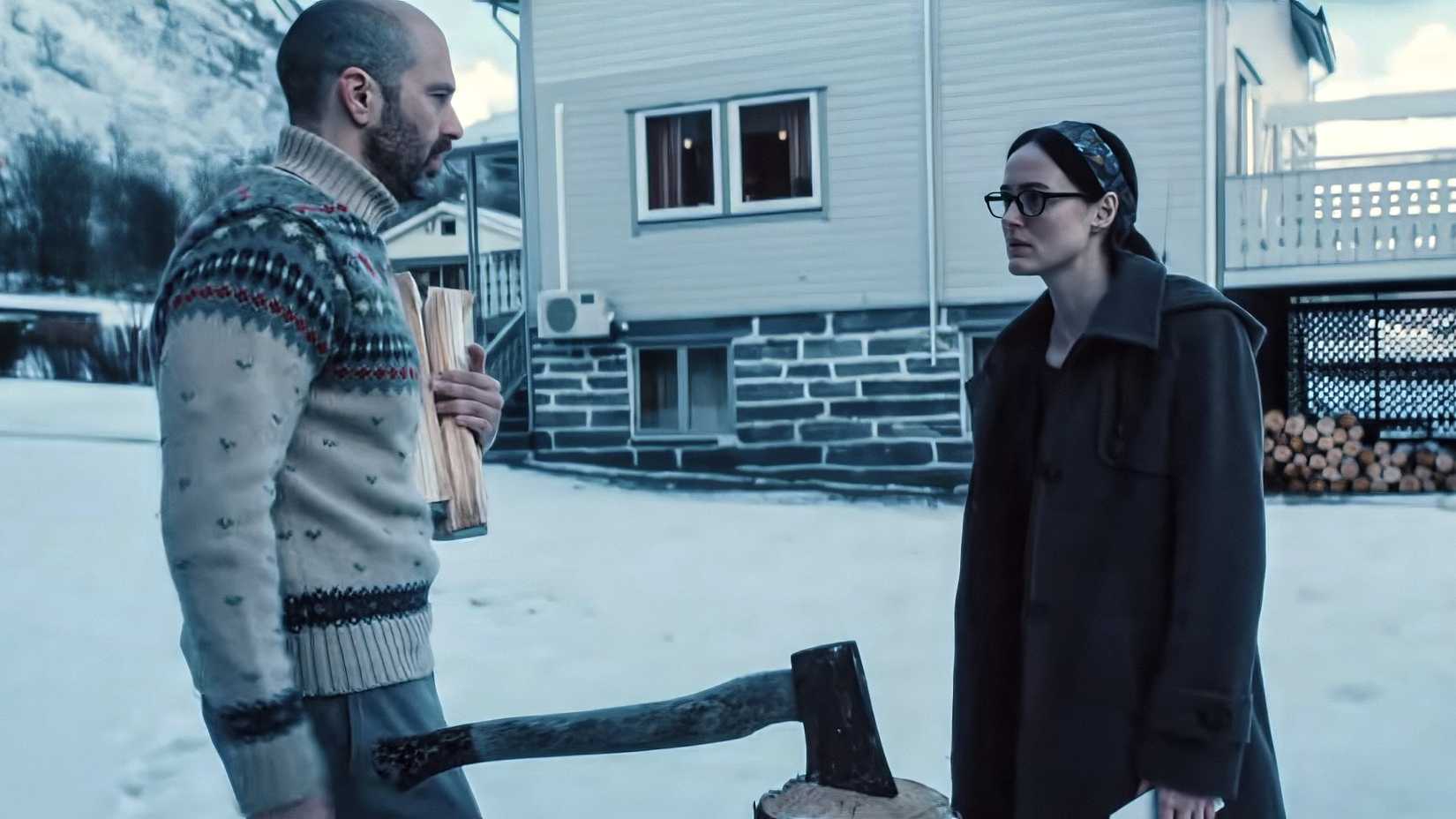
The film’s political shortcomings do not extend to its two leads. Sebastian Stan and Renate Reinsve give committed performances as Mihai and Lisbet, convincingly inhabiting the roles of parents caught in an increasingly distressing legal battle.
Their work lends emotional weight to the family’s situation, but the screenplay and direction limit how fully their characters develop. At one point, a neighbor remarks that Mihai and Lisbet are difficult to get to know—a criticism that also applies to the film’s characterization.
Both parents often feel more like representations of religious conservatism than fully realized individuals with distinct inner lives. That approach fits the film’s wider emphasis on ideological conflict, but it comes at the expense of deeper character exploration.
The supporting cast includes Vanessa Ceban as Elia and Jonathan Ciprian Breazu as Emmanuel, whose reported experiences help drive the dispute between the family and the authorities.
A Frustrating Ending to an Ambitious Political Drama
The film’s final scene attempts to rise above the divisions that have defined the story, but its conclusion feels more puzzling than illuminating. After spending much of its runtime exploring a bitter conflict between competing values, Fjord struggles to deliver a resolution that meaningfully reconciles those tensions.
Ultimately, Mungiu’s effort to approach the Gheorghiu family’s predicament with nuance risks giving the greatest sympathy to the side that the review sees as already well represented in the real world. By depicting the conservative parents as victims of an overwhelmingly progressive system, the film may validate the belief that religious conservatives are being persecuted—even as the broader question of who holds power remains unexamined.
Is Fjord Worth Watching?
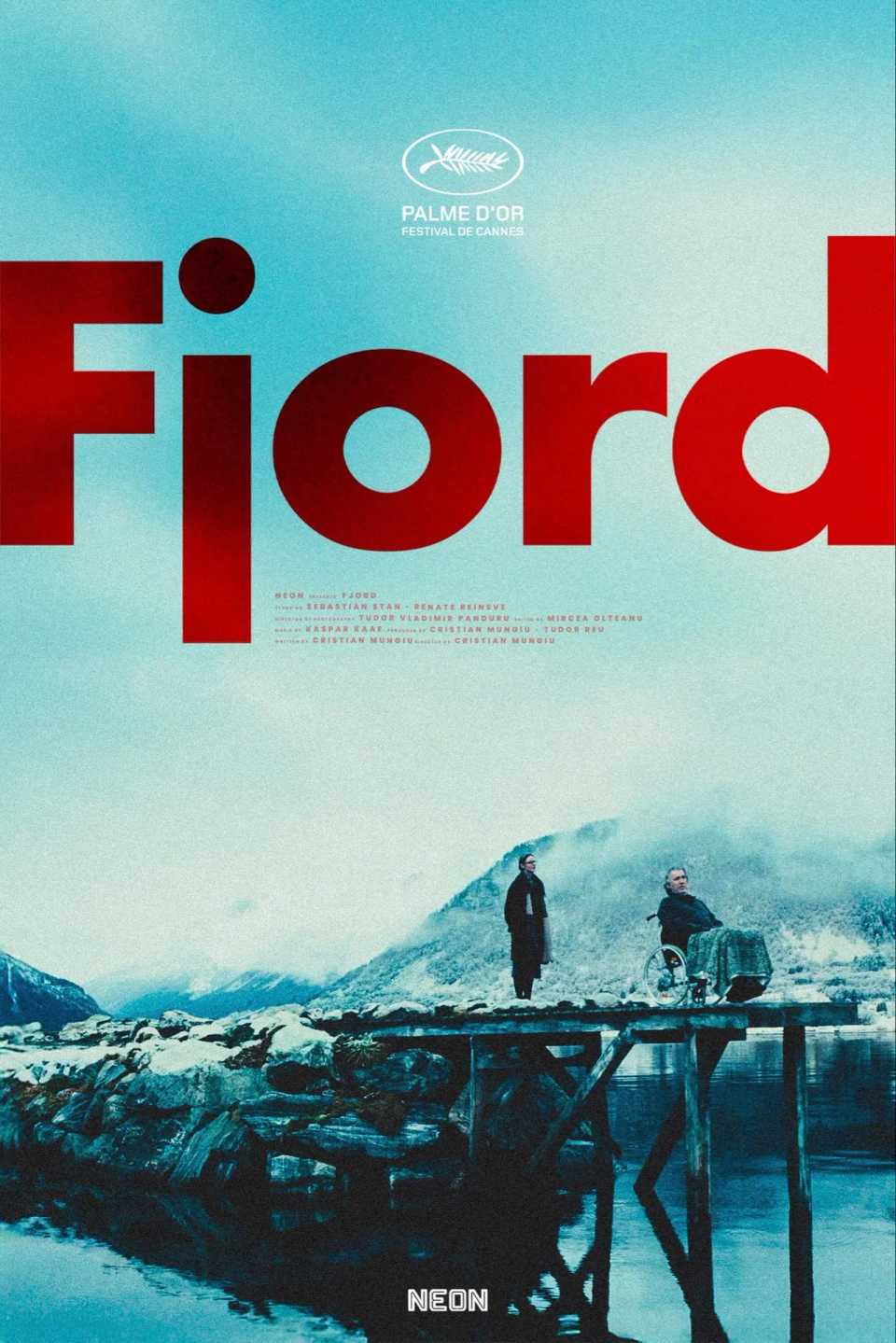
Despite its flaws, Fjord may interest viewers who follow potential awards contenders or enjoy films that tackle contentious social and political questions. Stan and Reinsve’s performances offer a strong foundation, and the subject matter raises difficult questions about family rights, cultural differences and the role of the state.
However, the film’s execution may frustrate audiences expecting a genuinely balanced exploration of those issues. Its attempt to avoid taking a clear political position ultimately appears to favor one side, leaving its promised nuance largely unrealized.
For viewers interested in the year’s potential Oscar contenders, Fjord may still be worth seeing. But those looking for a subtle, even-handed examination of religious freedom and child protection may find its central argument far less convincing than its ambitions suggest.