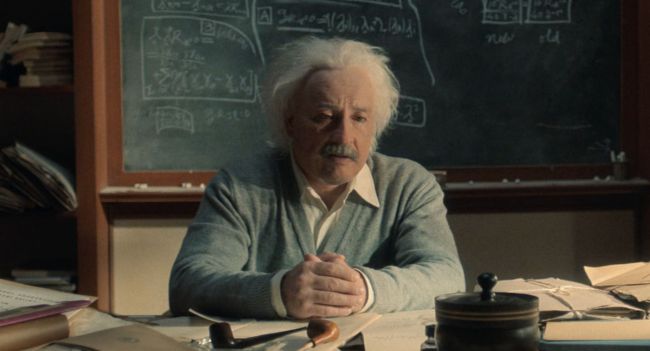
Netflix’s Einstein and the Bomb Explores the Scientist’s Flight From Nazi Germany and His Connection to the Atomic Age
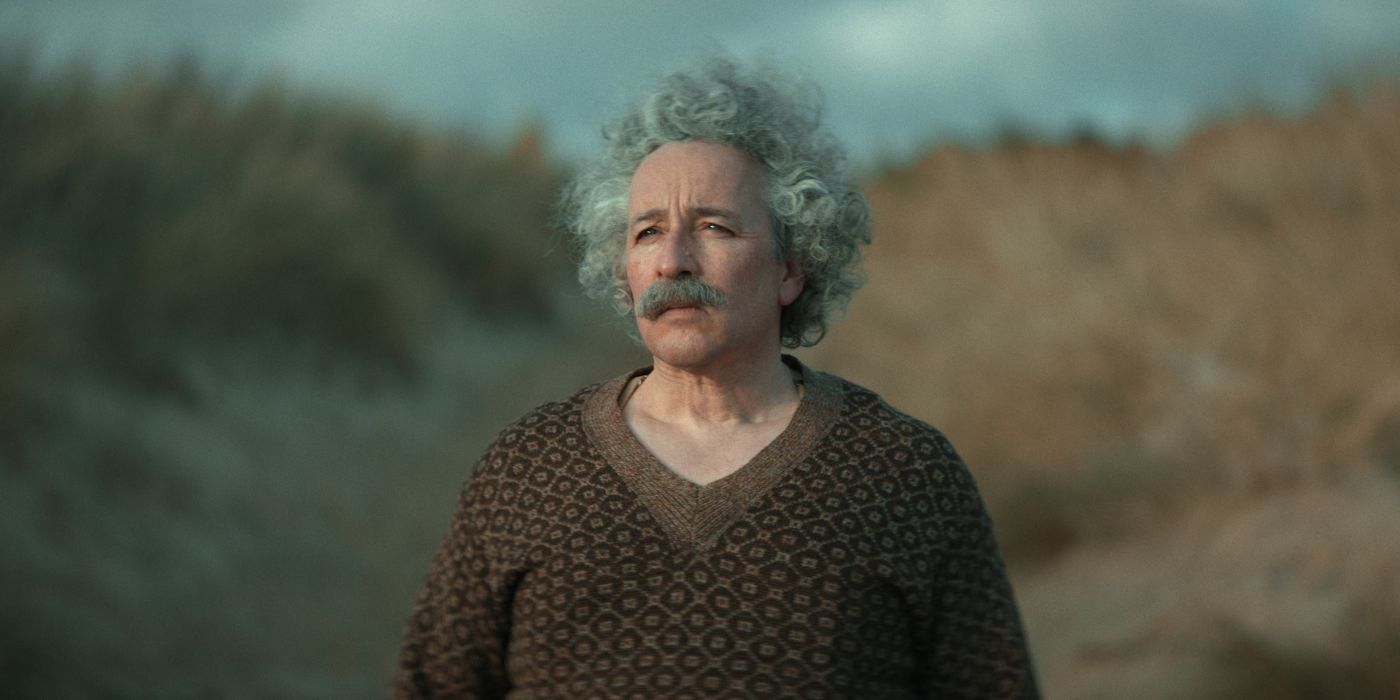
Albert Einstein’s escape from Nazi Germany, his little-known period hiding in England and the scientific ideas that would become intertwined with the development of nuclear weapons are at the centre of Einstein and the Bomb, a BBC docudrama now available on Netflix.
Released in 2024, the film blends dramatic reconstruction with documentary material, using Einstein’s own words from letters, speeches and interviews alongside archive footage. The result offers a different perspective on one of history’s most famous scientists, with some viewers even drawing comparisons to Christopher Nolan’s Oppenheimer.
The film proved popular when it arrived on Netflix, becoming the platform’s fourth most-watched English-language film during its launch period.
Einstein’s escape from Nazi Germany

The story takes viewers back to 1932, when Einstein fled Germany as the political situation under the Nazis became increasingly dangerous.
Already renowned for developing the theory of relativity and making major contributions to quantum theory, Einstein had transformed modern physics. His famous equation describing mass-energy equivalence would also become indirectly connected to the scientific foundations behind the atomic bomb.
But rather than concentrating solely on his scientific achievements, Einstein and the Bomb examines a less familiar chapter of his life.
After leaving Germany, Einstein spent time in Norfolk, England, where he stayed at a wooden hut at Roughton camp while seeking protection from potential assassins.
This period is explored partly through material from Stuart McLaren’s non-fiction book Saving Einstein: When Norfolk Hid a Genius, which documents the people involved in helping the physicist during his time in Norfolk.
Einstein’s own words shape the story

One of the film’s distinctive elements is its use of Einstein’s real words to construct the narrative.
His correspondence, interviews and speeches are woven into the production alongside historical footage and recreated scenes, allowing the film to examine both his personal experiences and the wider political and scientific developments surrounding him.
Aidan McArdle portrays Einstein, while Andrew Havill appears as Commander Locker-Lampson. Rachel Barry plays Margery Howard, with Helena Westerman portraying Barbara Goodhall.
The mixture of performance, documentary evidence and archive material has particularly impressed viewers interested in learning more about Einstein beyond his most famous scientific discoveries.
Viewers praise the film’s historical approach
Einstein and the Bomb holds an 82% audience score on Rotten Tomatoes, with viewers highlighting its educational value and use of historical material.

One viewer said the film offered “some new insights into Einstein’s life,” while another described it as a documentary whose educational qualities outweighed its entertainment value while still remaining engaging.
Others have singled out the archive footage, calling the material “fascinating” and praising the film for presenting historical details they felt were worth remembering.
Its subject matter has inevitably prompted comparisons with Oppenheimer, Christopher Nolan’s 2023 Oscar-winning drama about J. Robert Oppenheimer and the development of the first atomic weapons during the Second World War.
One viewer went as far as describing Einstein and the Bomb as “better than Oppenheimer,” although the two productions take very different approaches to overlapping historical themes.
Another reviewer praised the film as a “thrilling exploration” of the subjects surrounding Einstein.
For viewers fascinated by the science, personalities and decisions surrounding the dawn of the nuclear age, the film offers a compact look at an often overlooked chapter in Einstein’s extraordinary life.
Einstein and the Bomb is available to stream on Netflix.