Big Boys Don’t Cry: The Harrowing True Story Behind Netflix’s Difficult British Crime Drama
Some films are difficult to watch because of what they show. Big Boys Don’t Cry is difficult for another reason: the story at its centre is rooted in real experiences of childhood abuse and the lasting damage they can leave behind.
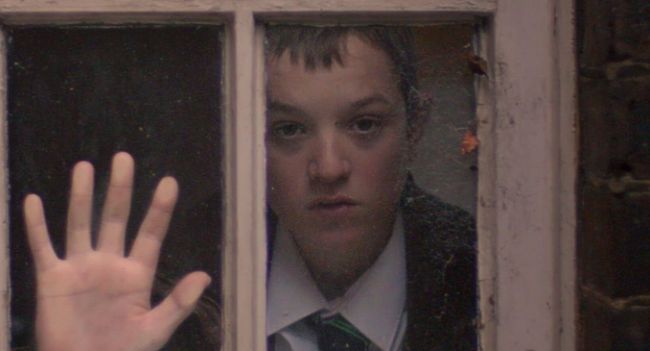
Released in 2020, Steve Crowhurst’s 90-minute British crime drama stars Michael Socha as Paul Connolly, a man forced to confront the traumatic years he spent at an abusive children’s home after a police investigation reopens wounds from his past.
Based on true events and drawing on Connolly’s own story, the film follows a painful journey through memory, trauma and the struggle to confront those responsible. Connolly was also involved in the production as an executive producer.
For viewers discovering the film on Netflix, the reaction has been strikingly consistent: this is not an easy watch, but its difficult subject matter is precisely what has made it so memorable for some audiences.
A Childhood Shaped by Abuse
Paul Connolly’s story began with extraordinary hardship.
According to accounts of his life, he was abandoned in a dustbin when he was just two weeks old before entering the care system. He later spent 12 years at St Leonard’s Children’s Home in Essex, where he suffered physical abuse.
The home became the defining trauma of his childhood.
Big Boys Don’t Cry explores what happens when those buried experiences return years later. Paul is no longer a child, but the memories have never truly disappeared.
The turning point comes when police begin investigating the suspicious death of his childhood friend. Their inquiries into what happened at St Leonard’s force Paul to confront a past he has spent years trying to suppress.
Rather than treating the investigation as a straightforward crime story, the film uses it to examine how childhood trauma can continue to shape an adult life.
Michael Socha Carries the Adult Story

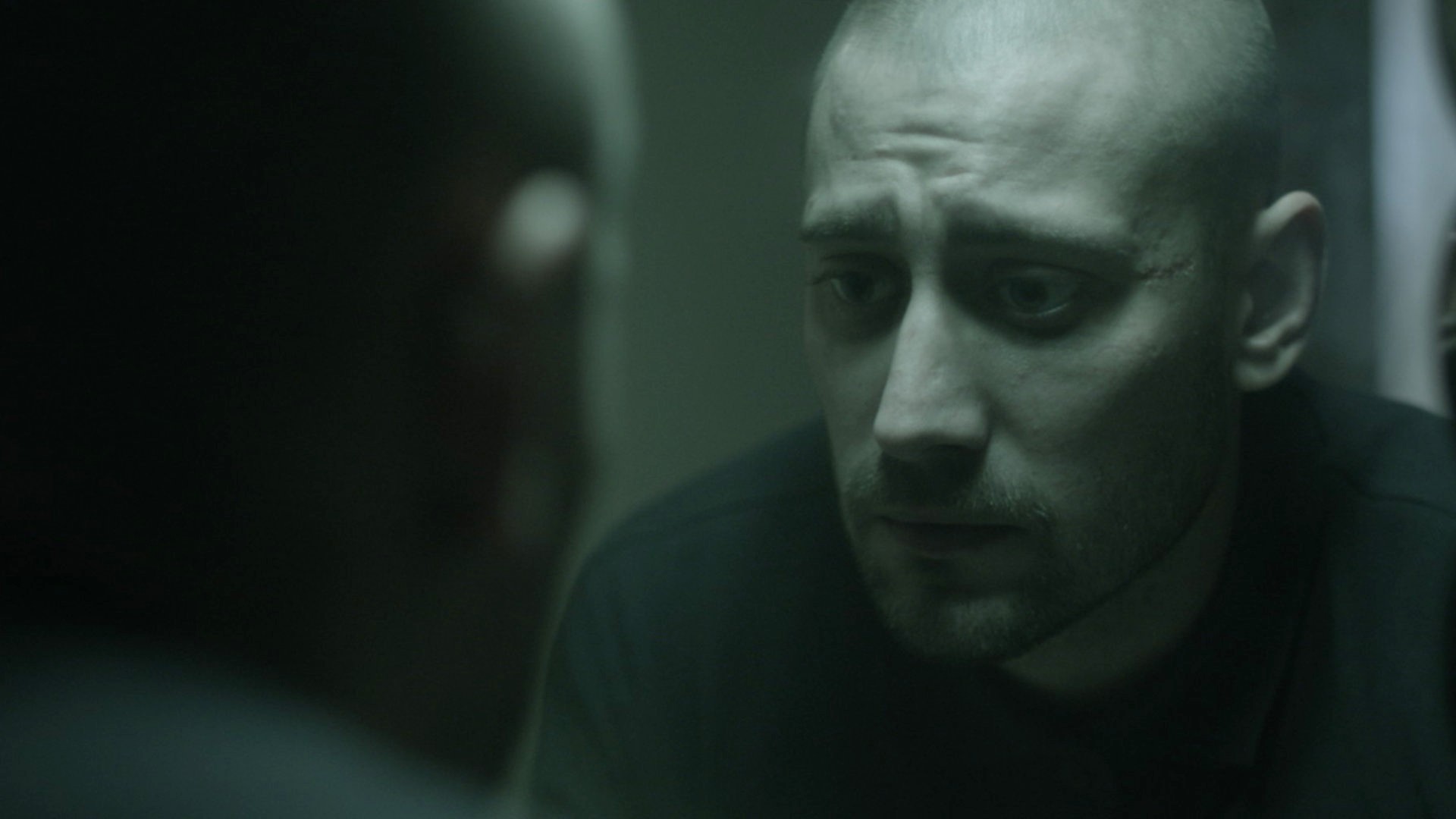
Michael Socha takes on the role of Paul as an adult, bringing a guarded intensity to a character struggling with memories that refuse to stay buried.
Socha is joined by Zoë Tapper as Anthea, the policewoman with whom Paul begins a relationship, while Mitchell Norman plays the younger Paul. Joshua Coombes portrays his childhood friend Liam. The cast also includes Victoria Alcock, Brett Fancy, Daniel Adegboyega and Amelia Eve.
The adult Paul is presented as a deeply troubled man trying to build a life while carrying the consequences of what happened to him.
The arrival of the police investigation changes that fragile balance.
As details of St Leonard’s begin resurfacing, Paul is forced to revisit memories he would rather leave behind. His relationship with Anthea develops alongside that confrontation with his past, giving the story a personal dimension beyond the investigation itself.
The Film Does Not Look Away From Its Subject

The material at the heart of Big Boys Don’t Cry is disturbing.
The BFI classifies the film as an 18-rated production, citing child sexual abuse, strong violence and very strong language.
Yet the film does not depend entirely on graphic imagery to communicate what the children experienced.
The Guardian noted that the abuse is not presented in particularly graphic detail; instead, the film conveys the horror through the children’s appearance, behaviour and the atmosphere surrounding the home.
That approach makes the story feel less like conventional shock-driven crime entertainment and more like an examination of the scars left by institutional abuse.
Paul Connolly’s Real Story Behind the Film
Connolly’s involvement gives the film an unusual connection to the experiences it portrays.
He co-wrote material used for the screenplay and served as an executive producer, helping bring his story to the screen.
His life after leaving St Leonard’s also became part of his story of survival.
The Guardian reported that Connolly was a boxer before becoming a gym instructor and later one of the early celebrity personal trainers. After learning to read at 25, he wrote and self-published a bestselling memoir about his experiences.
That history provides important context for the film. Big Boys Don’t Cry focuses heavily on the damage caused by Connolly’s childhood, but the real-life story extends beyond the trauma itself.
A Crime Drama Built Around Trauma

The film uses the structure of a British crime drama, but the central mystery is ultimately tied to Paul’s personal history.
A police investigation into his childhood friend’s death brings detectives back to St Leonard’s and forces old memories into the present. At the same time, Paul struggles to maintain his relationship with Anthea while dealing with the anger and fear that have followed him into adulthood.
That combination gives the film two distinct timelines: the painful world of Paul’s childhood and the adult life he has attempted to build after leaving it.
The flashbacks are particularly important because they show what Paul experienced as a child while revealing why the investigation has such a profound effect on him.
The Film Has Divided Critical Opinion
The difficult subject matter has been widely recognised, although critics have not been unanimous about the film itself.
The Guardian described it as a painful British drama and praised Michael Socha’s performance, while also arguing that the film’s conventional crime-drama structure did not fully capture the extraordinary scope of Connolly’s life.
Other reviews have similarly highlighted the strength of the central performances and the seriousness of its subject.
Rotten Tomatoes currently lists a 95% Tomatometer score, although that figure is based on just one critic review, so it should not be treated as a broad measure of critical consensus. IMDb lists the film at 6.7/10 from more than 2,000 ratings.
Filmed Across Kent

Although the story is rooted in Essex, production also used locations around Kent.
Filming took place in Deal, including the seafront, beach shelter, pier and fish-and-chip shop, according to IMDb.
The production also used locations around Gravesend, Cliffe Woods and Higham, providing the everyday British settings against which Paul’s deeply painful story unfolds.
Why Big Boys Don’t Cry Has Stayed With Viewers
The strongest reactions to Big Boys Don’t Cry tend to focus on the same quality: it is uncomfortable because the story refuses to make Paul’s past easy to process.
This is a 90-minute film about institutional abuse, childhood trauma and the consequences that continue long after a child has left the place where the abuse occurred.
Its subject matter is undeniably heavy, and some viewers may find parts of it extremely difficult.
But that weight is also central to the film’s purpose. Paul is not simply investigating what happened years ago. He is being forced to confront memories that have shaped the person he became.
For viewers prepared for its disturbing subject matter, Big Boys Don’t Cry offers a bleak but deeply personal true-story drama — one that puts the long shadow of childhood abuse at the centre of its crime narrative.