Did Lizzie Borden Really Kill Her Parents? The Mystery Behind Netflix’s Monster
More than 130 years after Lizzie Borden was acquitted of murdering her father and stepmother, the central question surrounding the case remains unanswered: did she actually do it?
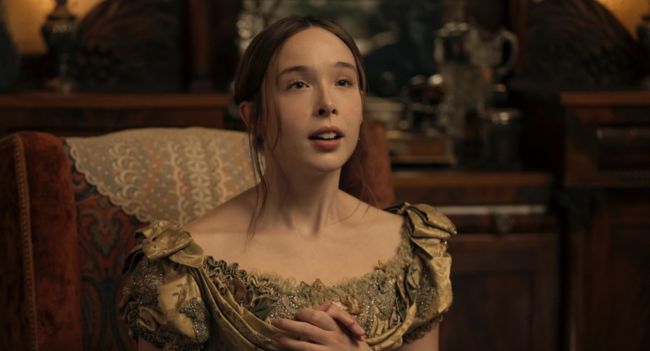
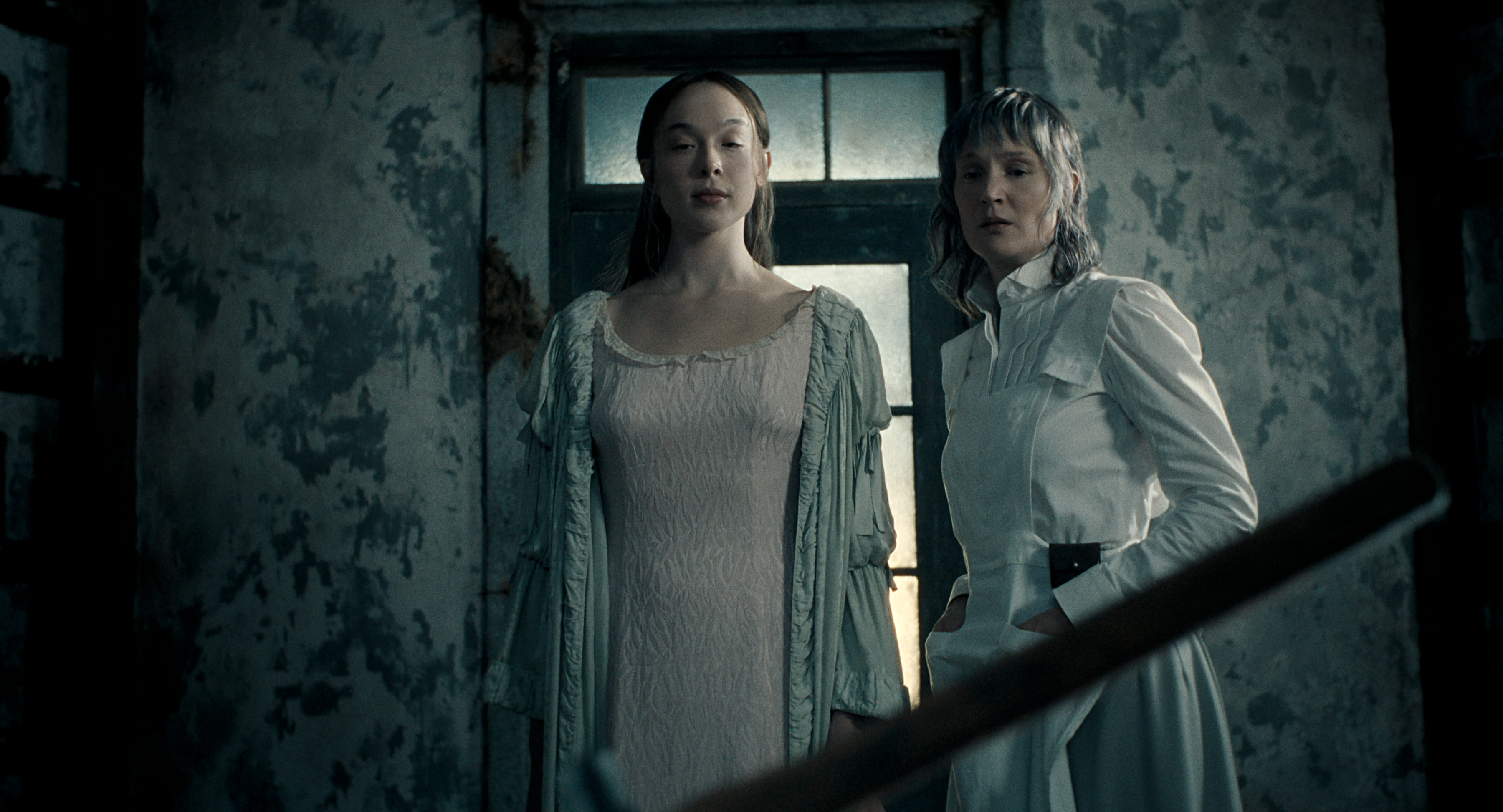
Netflix has now brought one of America’s most enduring true-crime mysteries back into the spotlight with Monster: The Lizzie Borden Story, the fourth installment of Ryan Murphy and Ian Brennan’s anthology series. Starring Ella Beatty as Lizzie, the eight-episode drama revisits the 1892 murders while offering a highly fictionalized interpretation of the woman at the center of the case.
The 1892 murders that shocked Massachusetts
On August 4, 1892, Andrew Borden and his wife, Abby Borden, were found brutally murdered inside their home in Fall River, Massachusetts.
Lizzie, Andrew’s daughter, was accused of killing both of them with an axe. The case quickly became a national sensation, and in June 1893, she went on trial for the murders.
An all-male jury ultimately found her not guilty.
That verdict meant Lizzie was legally cleared of the killings, but it never settled the question of what really happened. More than a century later, the Borden murders remain officially unsolved, while Lizzie continues to be one of the most recognizable figures in American true crime.
Netflix’s own account of the case notes that no one knows for certain whether Lizzie was responsible, although evidence has long been interpreted as pointing toward her involvement.
Why was Lizzie suspected?

One reason suspicion fell so heavily on Lizzie was her proximity to the murders and inconsistencies surrounding her account of where she had been inside the house.
Investigators also examined reports of suspicious behavior in the days surrounding the killings. One local pharmacist claimed Lizzie had attempted to purchase prussic acid, a poisonous substance, the day before the murders. However, testimony concerning the pharmacy visit was ultimately ruled inadmissible.
Another woman later claimed that Lizzie had burned a dress in the stove several days after the killings. That account was also dismissed.
At the same time, investigators never recovered a bloody weapon that could be directly connected to Lizzie, and there was no blood found on her body that conclusively tied her to the murders.
The prosecution therefore faced a case filled with suspicion and unanswered questions, but without the kind of definitive physical evidence that could establish her guilt.
The trial and Lizzie’s acquittal

Lizzie’s defense also benefited from the social attitudes of the period.
She was a wealthy, respectable and deeply religious young woman, and contemporary jurors reportedly struggled to reconcile that image with the brutality of the crimes.
The fact that the jury consisted entirely of men has also become an important part of discussions surrounding the verdict. Whether that factor directly determined the outcome remains a matter of interpretation, but it reflected the very different social and legal environment in which Lizzie was tried.
She walked free after her acquittal, and no other person was ever prosecuted for the murders.
Freedom, however, did not mean a return to ordinary life. Lizzie was widely shunned in Fall River and remained associated with the killings for the rest of her life.
Why does the mystery still fascinate people?
For author Cara Robertson, whose book The Trial of Lizzie Borden examines the case, the acquittal itself is part of what has allowed the mystery to endure.
The case contains many of the ingredients of a classic detective story: a limited group of suspects, disputed timelines, conflicting alibis and a crime for which no one was ultimately convicted.
That uncertainty has allowed generations to revisit the same question without reaching a definitive answer.
Netflix’s new series taps directly into that ambiguity. Rather than presenting a straightforward reconstruction, Monster: The Lizzie Borden Story uses historical details as the foundation for a fictionalized portrait of Lizzie and the circumstances surrounding the murders.
What does Netflix’s Monster change?

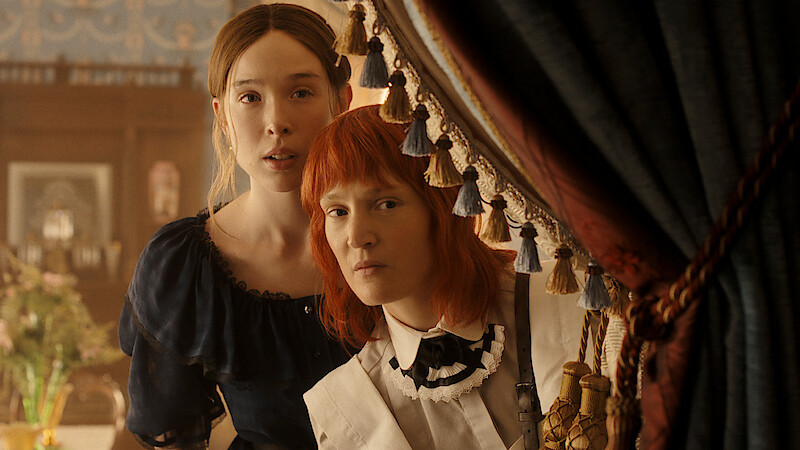
Ella Beatty takes over the title role, with Vicky Krieps playing Bridget “Maggie” Sullivan, the Bordens’ live-in maid. Charlie Hunnam portrays Andrew Borden, while Rebecca Hall plays Abby Borden. Billie Lourd, Jessica Barden and Sarah Paulson also appear in the series.
The show explores Lizzie as a young woman constrained by her Victorian surroundings and increasingly drawn toward Maggie. According to Netflix, the series uses the real case as a starting point while imagining the personal and emotional circumstances that may have led to the murders.
The season also extends beyond Lizzie’s story, connecting her legacy to Aileen Wuornos, played by Sarah Paulson, decades later. Netflix notes that there is no evidence the real Wuornos was fixated on the Borden murders; that connection is part of the series’ fictional storytelling.
The question that still has no answer

The real Lizzie Borden was acquitted. No one else was convicted. And the murders of Andrew and Abby Borden remain unsolved.
That leaves a gap between what the historical record can establish and what people believe happened inside the Borden home on that August morning in 1892.
Monster: The Lizzie Borden Story revisits that gap through a dramatic and deliberately fictionalized interpretation. But even after all these years, the most important question remains the same: did Lizzie Borden really kill her parents?
The evidence has never provided an answer that everyone can agree on.
Monster: The Lizzie Borden Story is now streaming on Netflix.