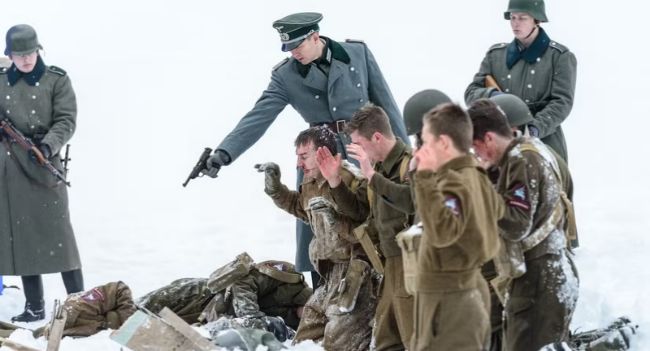
The Heavy Water War: The Six-Part WWII Thriller That Took the Fight Against Hitler’s Nuclear Ambitions Into the Frozen Norwegian Mountains
World War II has produced countless stories of soldiers fighting across Europe, but The Heavy Water War looks at a very different kind of battle — one fought through espionage, sabotage and science in the remote Norwegian mountains.
The six-part miniseries follows the Allied and Norwegian effort to disrupt Nazi Germany’s heavy-water production in Rjukan, a campaign linked to the German nuclear weapons programme. Rather than centering on a large battlefield, the drama places its characters inside a dangerous race to prevent a strategically important material from falling into German hands.
Written by Petter S. Rosenlund and directed by Per-Olav Sørensen, the Norwegian-Danish-British production originally aired in 2015. It was broadcast in Norway from January 4 to February 1 and later released in the UK under the title The Saboteurs.
A WWII Story Told From Several Sides
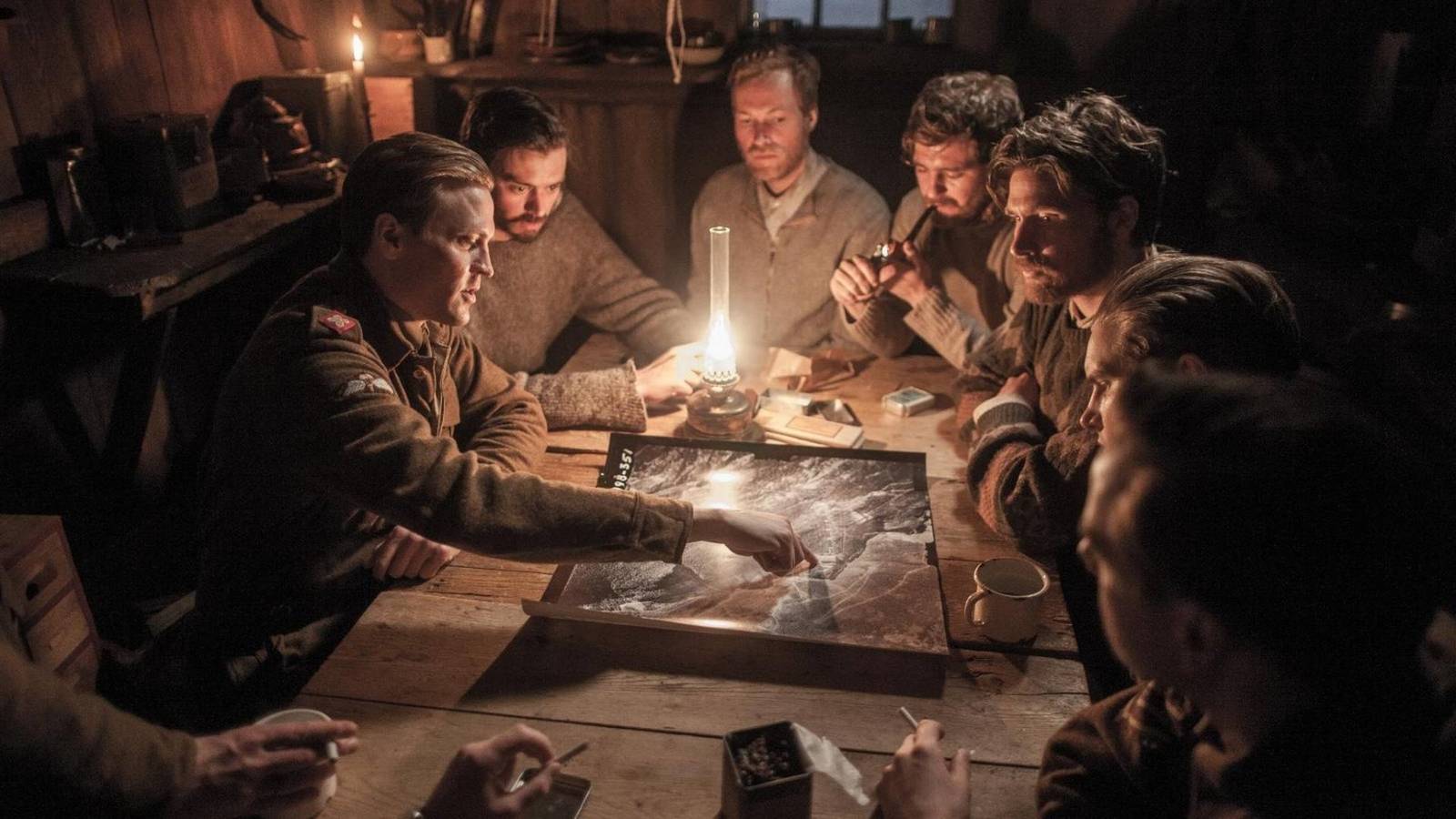
At the center of the series is Norwegian intelligence officer Major Leif Tronstad, played by Espen Klouman Høiner.
The story also follows German physicist Werner Heisenberg, played by Christoph Bach, as the German nuclear project develops. Alongside them are Norwegian resistance members, Allied intelligence personnel, scientists and workers connected to the heavy-water plant.
That structure gives the miniseries a broader perspective than a conventional military drama. The conflict is not simply presented as Allied forces versus German troops. Instead, viewers see how the same campaign affects scientists, soldiers, resistance fighters and civilians caught under occupation.
The production is based on the real events surrounding Germany’s nuclear research and the attempts to sabotage the heavy-water facilities in Norway, with particular emphasis on Tronstad’s role.
The Vemork Plant Becomes the Target
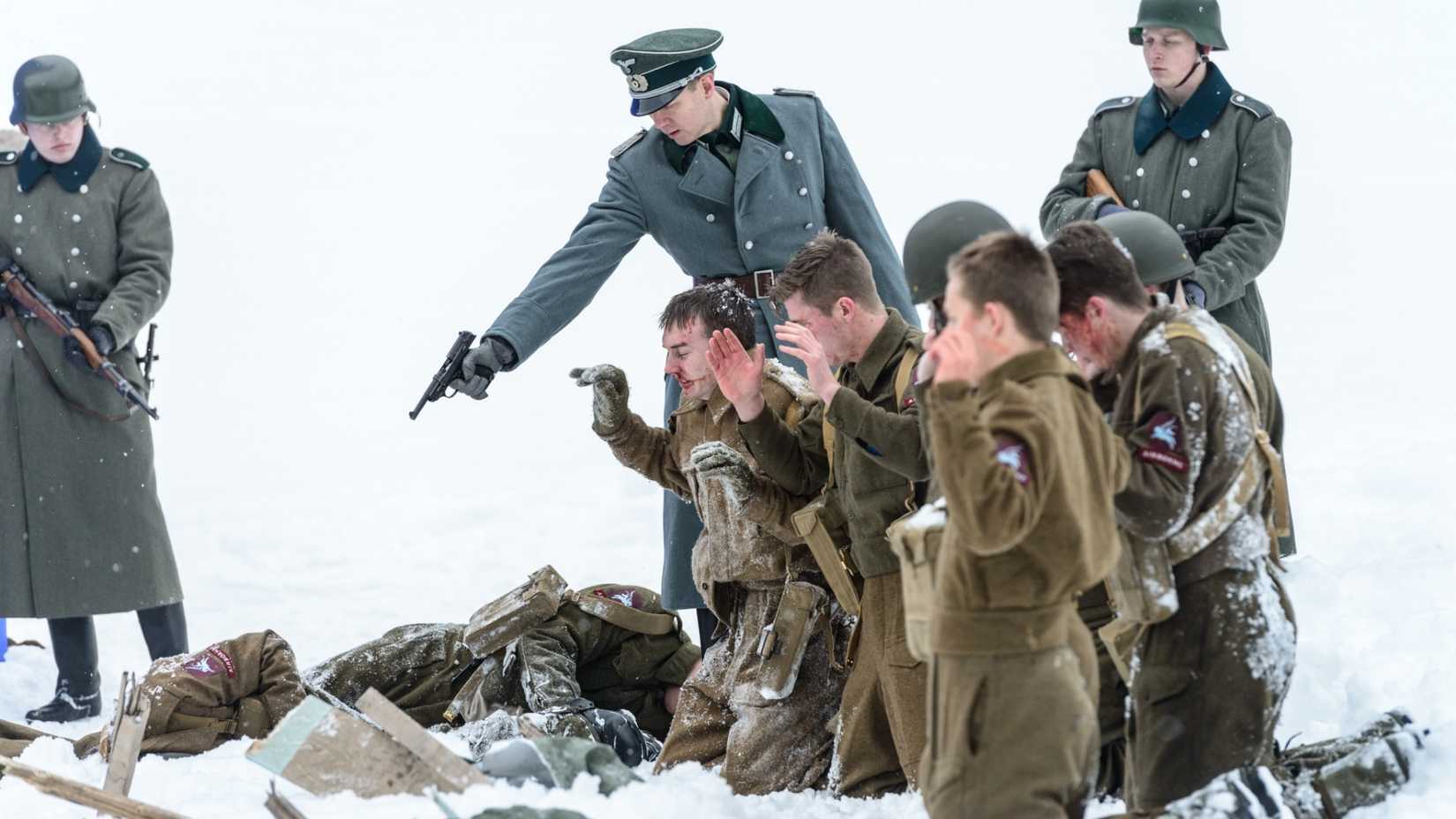
The heavy-water campaign gradually turns into a series of increasingly dangerous operations against the facility at Vemork, near Rjukan.
After Tronstad escapes to England and warns the Allies about German nuclear research, plans are developed to disrupt the plant. One early British-Norwegian mission ends disastrously when aircraft crash and surviving soldiers are killed by German forces.
The Allies then turn to a Norwegian force known as Gunnerside.
Their mission is to reach the heavily guarded facility and damage its production capabilities. The operation becomes one of the central sequences of the series, with the saboteurs facing difficult terrain and the risk of being discovered before they can complete their objective.
The Norwegian landscape is crucial to the story. Snow-covered mountains, forests and isolated routes create another layer of danger, making the environment almost as threatening as the German forces searching for the saboteurs.
When Sabotage Isn’t Enough
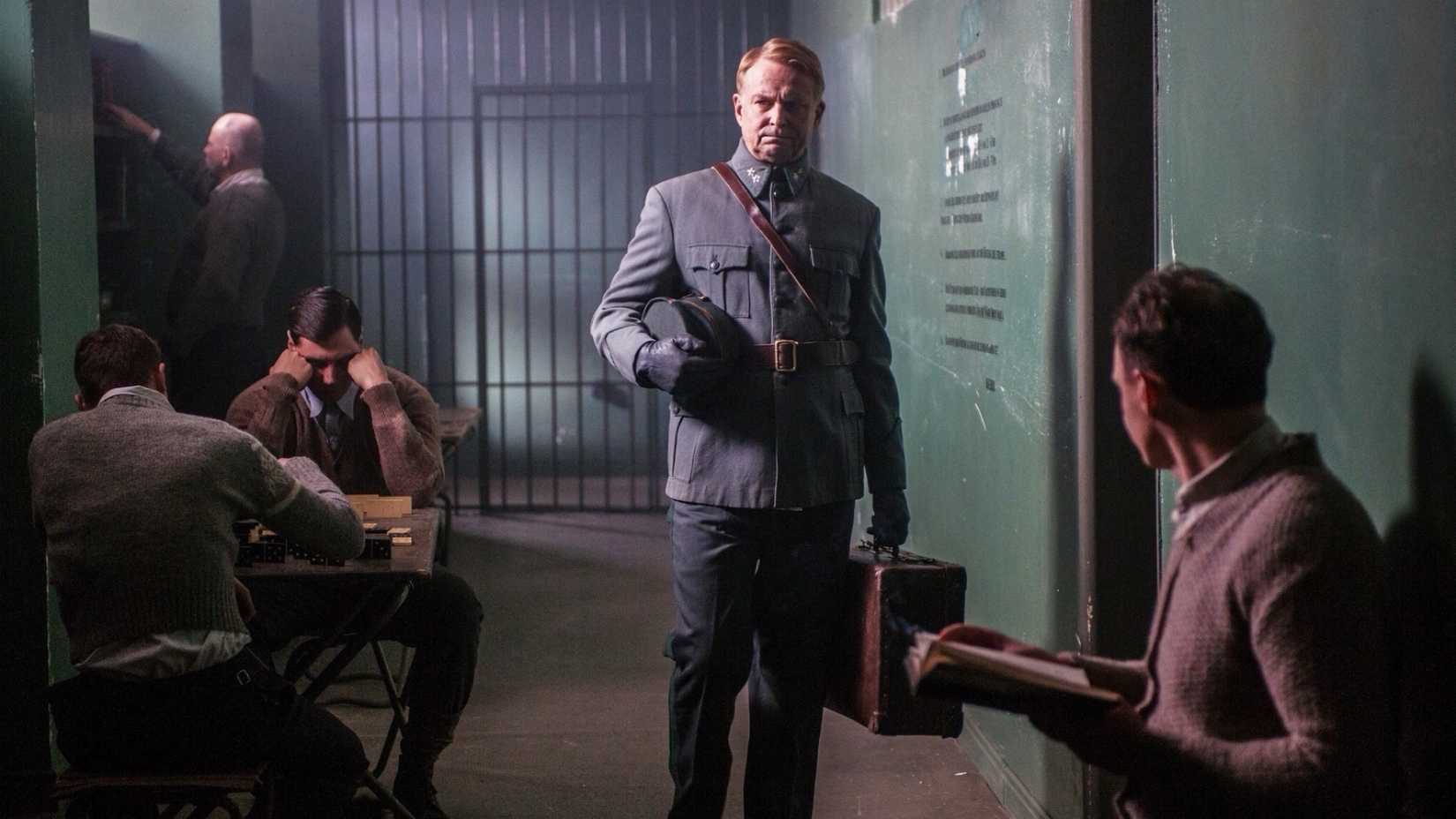
Destroying or damaging the facility does not bring the operation to an end.
The Germans begin rebuilding the heavy-water plant, forcing the Allies to reconsider their strategy. The Americans eventually decide to bomb Rjukan and Vemork, but the attack results in significant civilian casualties while failing to destroy the heavy-water production.
The consequences add a difficult moral dimension to the series. The objective may be strategically important, but the methods used to achieve it can have devastating consequences for people who are not directly involved in the conflict.
When Germany later decides to move the heavy-water equipment and remaining supplies out of Norway, the Allies face another opportunity to intervene.
The final operation shifts the story once again. The Gunnerside team is ordered to sink the ferry carrying the equipment across the lake from Rjukan — turning the conclusion into another race against time.
Real People at the Center
One of the series’ strengths is the way it anchors the larger conflict in historical figures.
Tronstad represents the Norwegian intelligence effort, while Heisenberg provides a window into the German scientific programme. The cast also includes Niels Bohr, played by Søren Pilmark, along with several figures connected to the Norwegian plant and resistance movement.
The production deliberately avoided naming most of the Nazi-collaborating Norsk Hydro directors, with Axel Aubert being an exception. Other characters were also fictionalized for the drama.
That combination of real historical figures and dramatized characters allows the series to explore the campaign beyond the mechanics of the sabotage missions.
A Six-Episode Alternative to Familiar WWII Dramas
The Heavy Water War was never designed to compete with the enormous scale of productions such as Band of Brothers.
Its approach is more contained, focusing on a specific campaign and the people caught up in it. The series was filmed in Norway and the Czech Republic, with production costs reported at around 75 million Norwegian kroner, or approximately €7.8 million.
What gives the story its tension is not the size of its battles, but the consequences attached to each operation.
A failed mission can cost lives. A successful attack can trigger retaliation. And even when a target is destroyed, the enemy can rebuild and force the resistance to start again.
The six-episode structure keeps the narrative focused on that escalating struggle.
A Different Kind of WWII Drama

For viewers accustomed to stories about infantry units, major invasions and sprawling European battlefields, The Heavy Water War offers a very different perspective on the Second World War.
Its conflict unfolds through secret intelligence, scientific research, resistance operations and sabotage in the Norwegian wilderness. The stakes are tied not simply to winning a battle, but to preventing Nazi Germany from advancing its nuclear ambitions.
That makes the series a compact WWII drama built around an unusual historical campaign — one where scientists, spies, resistance fighters and soldiers all become part of the same race against time.
With six episodes, a real historical foundation and a story that moves from the Vemork plant to the final attempt to stop the heavy water from leaving Norway, The Heavy Water War offers a less familiar chapter of World War II while keeping the focus firmly on the people who risked everything to disrupt it.