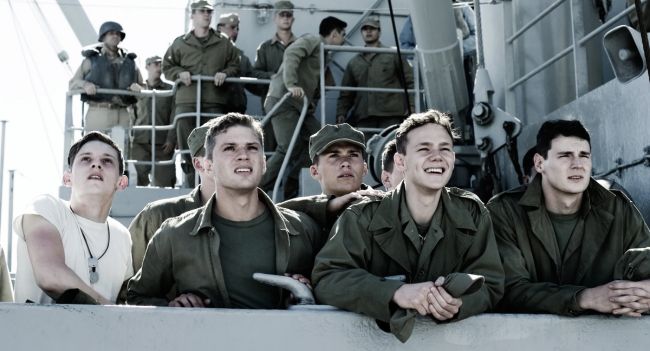
Clint Eastwood’s 132-Minute WWII Epic Finds a New Free Streaming Home 20 Years After Its Release

Two decades after its theatrical debut, Clint Eastwood’s powerful World War II drama is finding a new audience on a free streaming platform. But its return is bringing more than a celebrated battle story back into the spotlight: the 2006 film also remains at the centre of one of Hollywood’s most heated exchanges between two legendary directors, Eastwood and Spike Lee.
Flags of Our Fathers, which runs for 132 minutes, is now available to stream on Pluto TV in the United States this November. The film revisits the Battle of Iwo Jima through the experiences of the American servicemen whose flag-raising photograph became one of the most recognisable images of World War II.
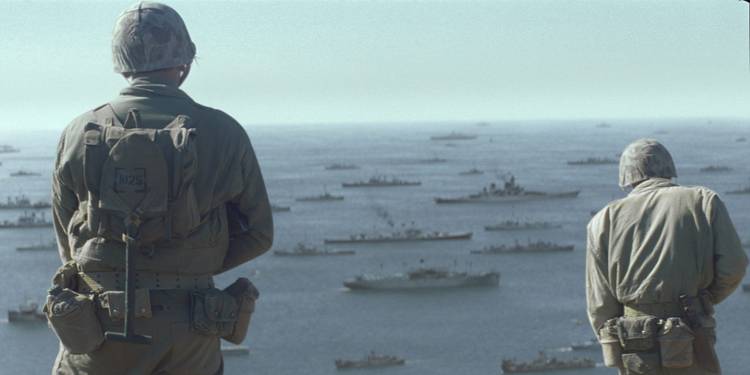
The Film That Sparked a Public Dispute Between Clint Eastwood and Spike Lee
The controversy surrounding Flags of Our Fathers dates back to 2008, when Spike Lee publicly criticised Eastwood for leaving African-American soldiers out of his two films about Iwo Jima: Flags of Our Fathers and its companion film, Letters from Iwo Jima.
Lee argued that the absence of Black servicemen overlooked an important part of the battle’s history. Speaking at the Cannes Film Festival, he pointed out that Eastwood had made two films about the conflict, running for more than four hours combined, without featuring a single Black actor.
Eastwood strongly rejected the criticism. He explained that Flags of Our Fathers focused specifically on the six servicemen associated with the famous flag-raising photograph on Mount Suribachi. Although Black troops had served on Iwo Jima, he maintained that they were not among the men who raised the flag.
The exchange became increasingly heated, with Eastwood telling Lee to stop criticising his historical choices. Lee, in turn, insisted that he had never suggested changing the identities of the flag-raisers, but wanted the wider contribution of African-American soldiers to be acknowledged.

Steven Spielberg, who produced Eastwood’s Iwo Jima films and had a longstanding relationship with Lee, eventually helped bring the disagreement to a close by acting as an intermediary.
Lee later explored the experiences of Black American soldiers in his own 2008 World War II drama, Miracle at St. Anna. The film focused on members of the all-Black 92nd Infantry Division, which fought in Italy during the war.
However, it struggled commercially, earning around $9 million against a reported production budget of $45 million.
Two Films, Two Perspectives on the Same Battle
Released in 2006, Flags of Our Fathers was part of an ambitious two-film project that examined the Battle of Iwo Jima from opposing sides.
Eastwood’s first film tells the story from the American perspective, following the six servicemen associated with the iconic photograph of the US flag being raised on Mount Suribachi. The image turned the men into national heroes, but the film also examines the complicated reality behind their sudden fame.
As the surviving flag-raisers return home, they are drawn into a government campaign designed to promote the photograph and support the war effort. The contrast between their public image and private experiences becomes central to the story, raising questions about heroism, sacrifice and the way societies create national symbols.
The companion film, Letters from Iwo Jima, approaches the same battle from the Japanese perspective, focusing on the soldiers defending the island. Together, the films offer a more complex picture of the conflict by exploring the experiences of people on both sides.
The project arrived during a particularly significant period in Eastwood’s career. Flags of Our Fathers and Letters from Iwo Jima were released shortly after Million Dollar Baby and two years before Gran Torino, two other major titles in his filmography.
How Did the Two Films Perform?
Despite the scale of the project, Flags of Our Fathers did not become a major box-office success. Released in 2006, it earned approximately $65 million worldwide against a reported budget of $90 million.
Its critical reception was considerably stronger. The film currently holds a 76% Certified Fresh score on Rotten Tomatoes, reflecting a generally positive response from critics.
Letters from Iwo Jima performed better financially relative to its production costs. It grossed approximately $68 million worldwide on a reported budget of less than $20 million and went on to receive an Academy Award nomination for Best Picture.
The contrasting commercial results did little to diminish the significance of Eastwood’s two-film approach, which remains an ambitious attempt to examine one of World War II’s most consequential battles through different national perspectives.
Where to Watch Flags of Our Fathers
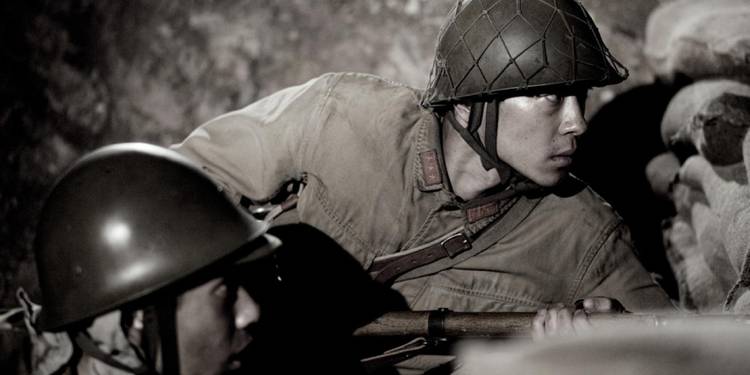
For viewers who missed the film when it first arrived in cinemas, or those interested in revisiting Eastwood’s wartime storytelling, Flags of Our Fathers is now available on Pluto TV in the United States during November 2026.
The film also offers a reminder of Eastwood’s remarkable career behind and in front of the camera. His most recent feature film as a director was the 2024 courtroom drama Juror #2, following a career spanning more than seven decades.
With its return to free streaming, this 132-minute war drama is getting another opportunity to introduce its account of Iwo Jima — and the controversy surrounding its portrayal of history — to a new generation of viewers.