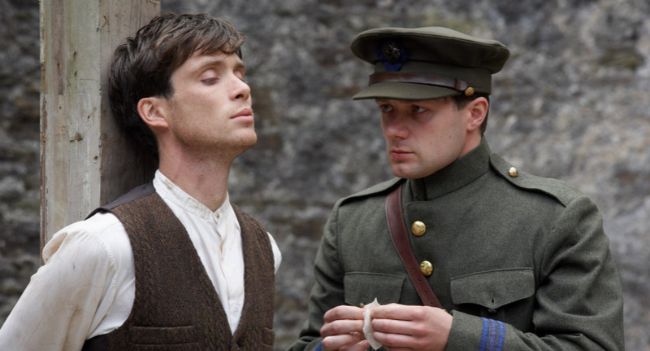
The Wind That Shakes the Barley: Cillian Murphy in Ken Loach’s Palme d’Or-Winning Drama
Cillian Murphy delivers one of his most powerful early performances in The Wind That Shakes the Barley, Ken Loach’s uncompromising 2006 historical drama about two brothers drawn into Ireland’s struggle for independence.
Set in Ireland in the 1920s, the film follows Damien O’Donovan, a young doctor preparing to leave for a medical career in London. But witnessing the violence inflicted on his community forces him to reconsider the future he had planned — and eventually draws him into the Irish Republican Army alongside his brother Teddy.
A Doctor Forced To Choose A Side

At the beginning of the film, Damien has little interest in becoming involved in the political conflict around him. His goal is to leave Ireland and begin his professional life in London.
That changes after he witnesses the brutal treatment of people around him, including the killing of a young man by the Black and Tans, British forces sent to suppress the Irish independence movement.
The experience pushes Damien toward the IRA. He joins the local brigade with his brother Teddy, played by Pádraic Delaney, and abandons the medical career he had been preparing to pursue.
What begins as a fight for independence soon becomes increasingly personal. Damien is not only fighting alongside his brother but also confronting the consequences of choices that place his political convictions, friendships and family relationships under enormous strain.
When Independence Turns Into Civil War
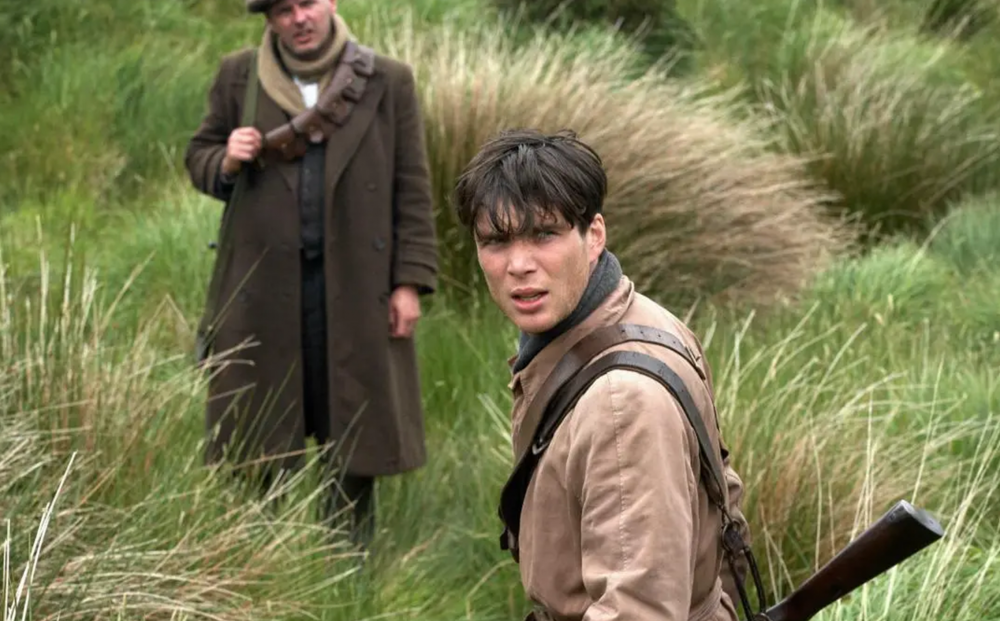
The film does not end with the struggle against British forces.
After the British and Irish sides agree to a treaty intended to end the bloodshed, the apparent victory instead divides the independence movement. Former allies find themselves on opposite sides as Ireland descends into civil war.
For Damien and Teddy, that political split becomes a devastating family conflict. The brothers who once fought together are eventually forced to confront fundamentally different loyalties, turning the film’s historical conflict into an intensely personal tragedy.
This shift is central to Loach’s approach. Rather than presenting the period simply as a conventional battle between opposing forces, the film examines how political decisions can fracture communities, friendships and families.
Ken Loach Takes A Historical Story Into Personal Territory
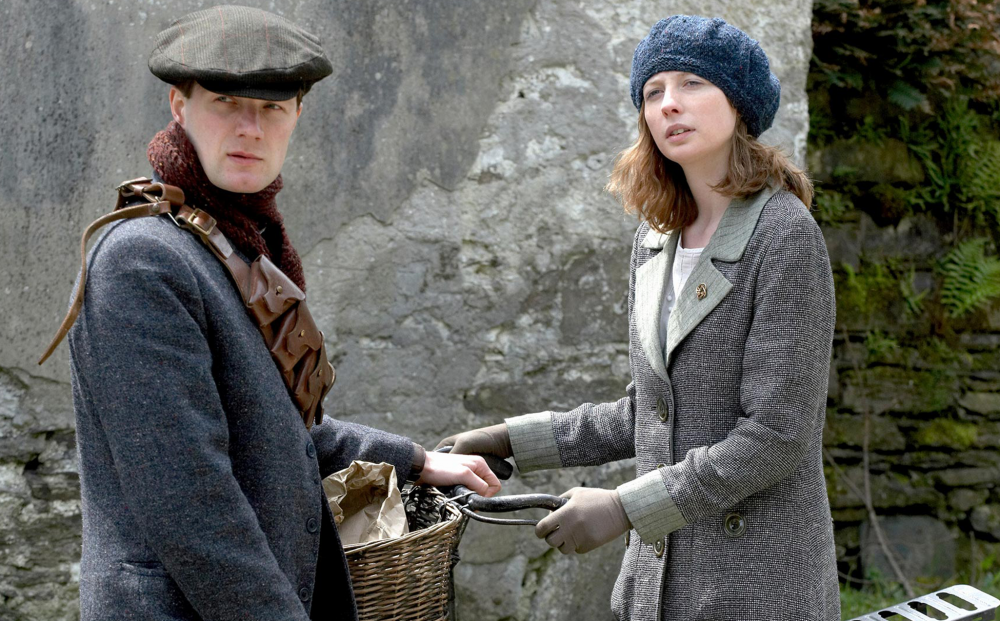
Known for films focused on contemporary social and political issues, Loach uses The Wind That Shakes the Barley to revisit a pivotal period in Irish history.
The film also shares thematic connections with his earlier historical drama Land and Freedom (1995). Both move beyond England to explore political conflicts through ordinary people who become involved in larger struggles, with personal relationships increasingly shaped by ideology and war.
That perspective gives the film much of its emotional force. The political conflict is always present, but the story remains grounded in the people experiencing its consequences.
A Palme d’Or Winner
The film premiered in competition at the 2006 Cannes Film Festival, where it won the Palme d’Or, giving Loach his first victory for the festival’s top prize.
It was also an unexpected commercial success despite its grim subject matter and controversial portrayal of the British role in Ireland. BFI notes that it became Loach’s biggest commercial success, while the film’s reception also generated significant controversy among critics.
The drama runs for approximately two hours and four minutes and was written by Loach’s longtime collaborator Paul Laverty, with Barry Ackroyd serving as cinematographer and George Fenton composing the score.
Cillian Murphy at the Centre
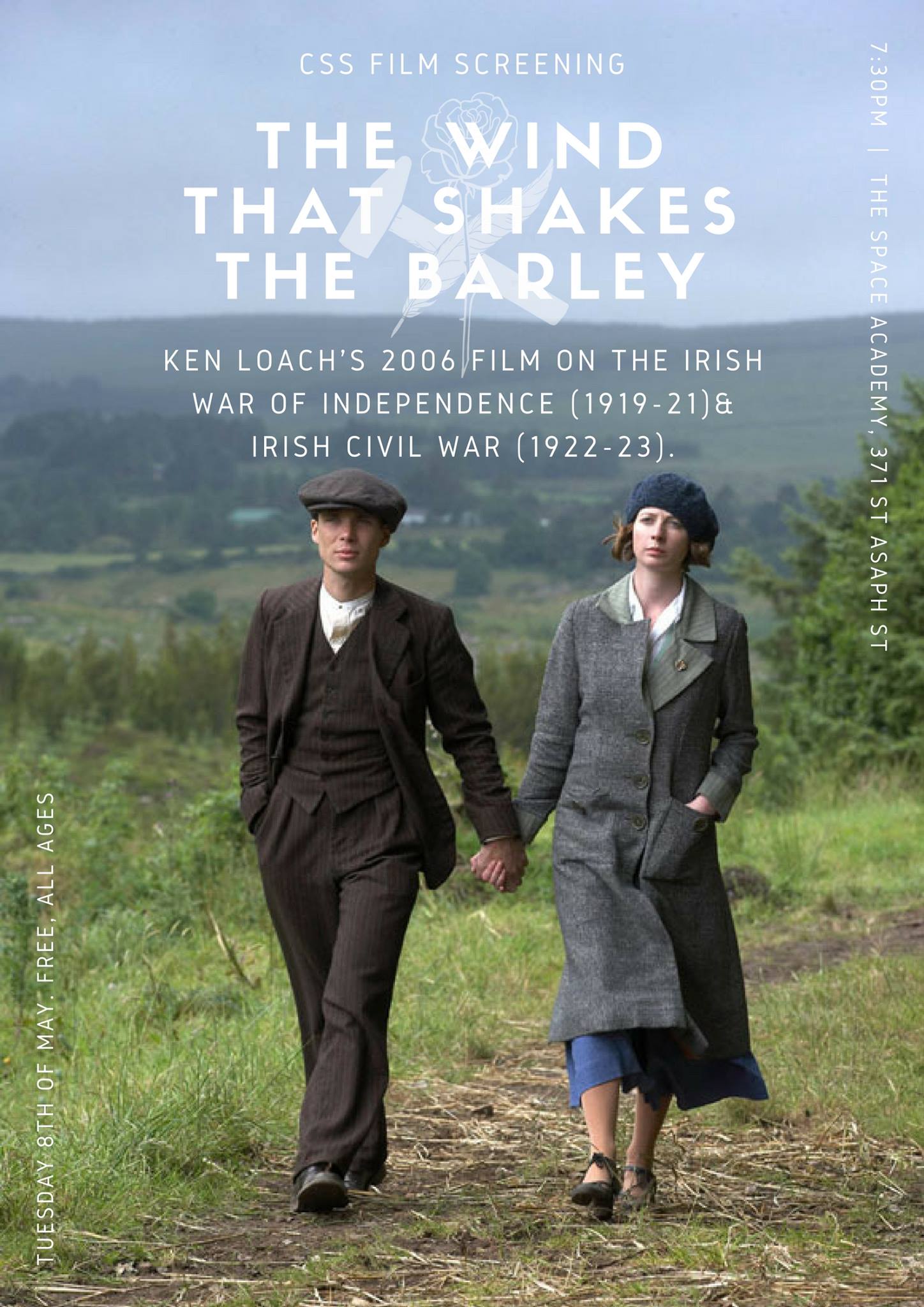
Murphy anchors the film as Damien, bringing the character’s transformation from an aspiring doctor to an increasingly committed revolutionary into sharp focus.
His performance works because Damien’s journey is not presented as a simple change of heart. Every decision carries consequences, and the deeper he becomes involved in the conflict, the harder it becomes to separate his political beliefs from the people he loves.
Pádraic Delaney provides the other half of the film’s emotional core as Teddy, Damien’s brother and fellow fighter. Their relationship becomes increasingly painful as the political divisions surrounding them begin to determine where their loyalties lie.
More than a historical war drama, The Wind That Shakes the Barley is ultimately a story about how political conflict can transform ordinary lives — and how even a shared fight for freedom can leave people divided once the battle changes direction.
Ken Loach’s Palme d’Or winner remains one of the defining historical dramas of his career, while Murphy’s performance places a deeply personal face on one of the most turbulent periods in modern Irish history.