Steven Spielberg’s Overlooked Six-Part Western Epic Delivers the Brutal Frontier Drama That Made 1883 a Hit
Long before Taylor Sheridan brought the American frontier to life in 1883 and 1923, Steven Spielberg helped create an ambitious Western miniseries that explored the same brutal history on an extraordinary scale. Released in 2005, Into the West follows two families across 65 years of American expansion, delivering a powerful story of survival, conflict, sacrifice and the devastating cost of a changing nation.
Executive produced by Spielberg and developed through DreamWorks Television, the six-part TNT miniseries spans approximately 12 hours, combining sweeping landscapes with deeply personal stories of families struggling to survive the transformation of the American West.
Despite its scale, acclaimed cast and historical ambition, Into the West receives far less attention today than modern Western dramas such as Yellowstone and its prequels.

Two Families, 65 Years and a Brutal Journey Across America
Beginning in 1825 and continuing through 1890, Into the West tells its story through two interconnected families whose experiences reveal contrasting sides of American frontier expansion.
The Wheeler family, originally from Virginia, represents settlers seeking opportunity in the West. Their journey takes them through dangerous wagon trails, goldfields and railroad settlements as the country rapidly changes.
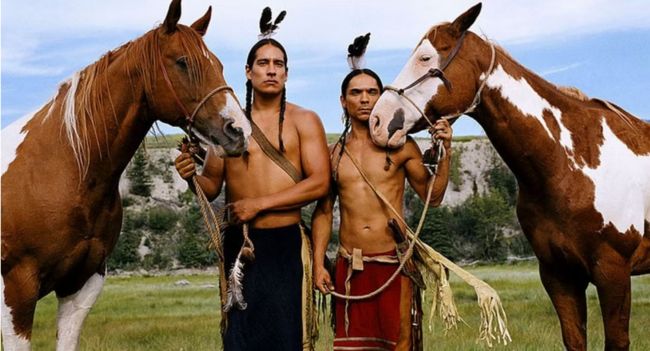
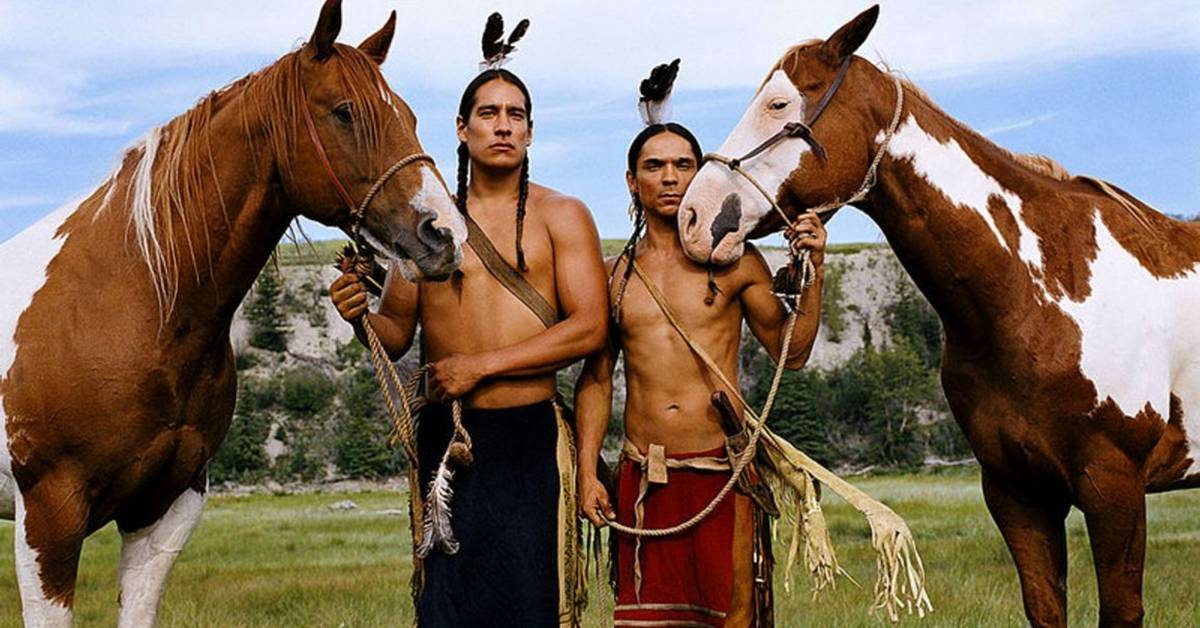
Alongside them, the series follows a Lakota family confronting the expansion of settlers into their ancestral lands.
As the families’ lives intersect, the drama explores the consequences of westward migration from both perspectives.
Their stories unfold against major historical events, including the California Gold Rush, the American Civil War, the construction of the Transcontinental Railroad and the Wounded Knee Massacre.
Rather than presenting the frontier as a simple adventure, the series examines the sacrifices, conflicts and suffering experienced by people on both sides of American expansion.

An Extraordinary Cast Featuring Future Yellowstone Stars
One of Into the West’s greatest strengths is its enormous ensemble, featuring approximately 250 speaking roles.
The cast includes Josh Brolin, Keri Russell, Sean Astin, Tom Berenger, Gary Busey, Skeet Ulrich, Keith Carradine, Beau Bridges and Christian Kane.
The production also features an impressive group of Indigenous performers, including Wes Studi, Russell Means, Graham Greene, Zahn McClarnon, Gil Birmingham and Tatanka Means.
For viewers familiar with Taylor Sheridan’s television universe, Gil Birmingham is particularly recognisable as Chief Thomas Rainwater in Yellowstone.
Zahn McClarnon has also become widely known for his performances in Westworld, Fargo and Dark Winds.
Their involvement adds another connection between Spielberg’s historical epic and the generation of Western television dramas that followed.
A Western That Doesn’t Ignore the Darkest Chapters of History
Unlike traditional Westerns that romanticise frontier expansion, Into the West examines the violence and injustice accompanying the transformation of the American landscape.
The series explores broken treaties, the displacement of Indigenous communities, forced assimilation and military conflict.
Its portrayal of Lakota life draws on Indigenous languages, cultural traditions and historical consultation, offering a broader perspective than conventional pioneer-centred Western stories.
The drama also examines the difficult choices faced by settlers, soldiers and families caught in the changing political and social landscape.
These contrasting experiences give the six-part story emotional depth beyond its large-scale historical events.
Why Into the West Deserves Another Look After 1883 and 1923
Like Sheridan’s 1883 and 1923, Spielberg’s Into the West combines family struggles with the harsh realities of America’s frontier history.
Both approaches use personal relationships to explore the dangers of migration, changing communities and the struggle for survival.
However, Into the West covers a much broader historical period, following generations across more than six decades.
Its six feature-length episodes allow the characters’ lives to develop alongside some of the most consequential events in 19th-century American history.
The series also benefits from cinematic landscape photography, large-scale production design and an approach that gives Indigenous experiences substantial attention.
For viewers drawn to the historical atmosphere of 1883, the family conflicts of 1923 or the sweeping storytelling associated with Yellowstone, Into the West offers an earlier example of ambitious Western television.
Nearly two decades before Taylor Sheridan’s frontier prequels became major television successes, Steven Spielberg’s Into the West had already demonstrated how a multi-generational Western could combine spectacular scenery, historical tragedy and deeply emotional storytelling across six unforgettable chapters.