73 Years Later, Shane’s Coldest Line Is Still the Greatest In Western Movie History

In 1953, George Stevens transformed Jack Schaefer’s Shane into a timeless part of American Western cinema, and its coldest line is practically immortal. Casting Alan Ladd as the heroic gunslinger seeking a new life, the film brought new layers of tragedy and meaning to frontier stories. In just seven words, he expressed the film’s defining sentiment, one still present in movies today.
A picture that changed everything for the Hollywood Western, Shane stripped the genre down to basics to tell one of the most profound stories of the ’50s. From the perspective of a man trying to find meaning in a new world, it leads the audience to the ultimate send-off for the heroes who shaped a nation. Its final scene remains one of the most important, heartbreaking, and touching scenes in movie history.
How Shane Became A Timeless Western Classic

Shane follows the arrival of the titular gunslinger to a peaceful valley in Wyoming, where he meets the Starretts, a family of homesteaders. He soon realizes that they’re locked in an escalating feud with local cattle baron Rufus Ryker, who wants the valley for himself to use for his free-grazing herd. What begins as an attempt to bribe or threaten the settlers away soon escalates into more direct force. Despite hoping to settle down, the violence leads Shane to realize he’s the only man for the job in defending the locals.
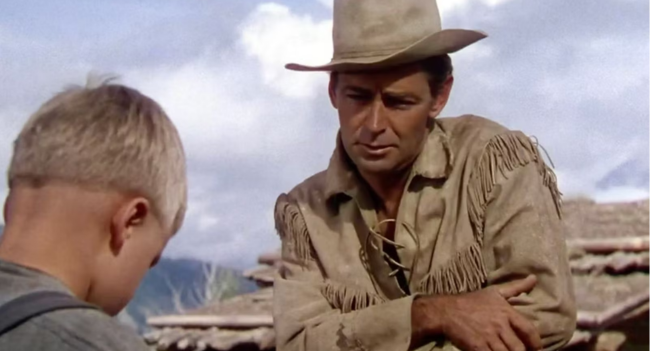
The final scene sees him saddling up to leave, all while the young boy Joey, who saw Shane as a mentor and friend, begs him to stay. Thus begins one of the greatest speeches in Western movie history, one that can be summed up with a single heartbreaking line that explains why he must go: “Joey, there’s no living with the killing.” From the beginning, the hero had been a man fighting to escape his past, not return to violence. The events here made him realize that death follows him, and his decision to leave ensures the boy won’t go down the same path.
Shane’s Final Message to Joey Explains the Entire Gunslinger Mythology

Men like Shane were forged in the violence and hardships that defined the ‘Old West,’ and he has no place in the new world being civilized by the Starretts. The taming of the West was one of the most transformative eras in American history, and it’s no secret it left many people behind. Characters like him embody that: people who allowed death and conflict to seep into their lives so much that they don’t really know where to go next. Wherever he settles, his past will catch up to him, and it took Ryker and Joey for him to realize that.
The tragedy of Shane is that wherever he winds up and however much he tries to be just another man, he never will be. It’s inevitable that circumstances will force him to pick up his gun once again, or that his reputation will bring unwanted attention. He wants to leave it all behind, but taking a man’s life is no easy thing. He lived the life he chose, and neither fate nor conscience would allow him to escape it.
Shane Is the Quintessential Golden Age Western

From Pale Rider to Unforgiven and even Logan, Stevens’ movie became foundational to the way Hollywood depicts the tragic antihero. After 73 years, Shane remains one of the most consequential Western masterpieces ever made, and its coldest, most heartbreaking quote made it so.