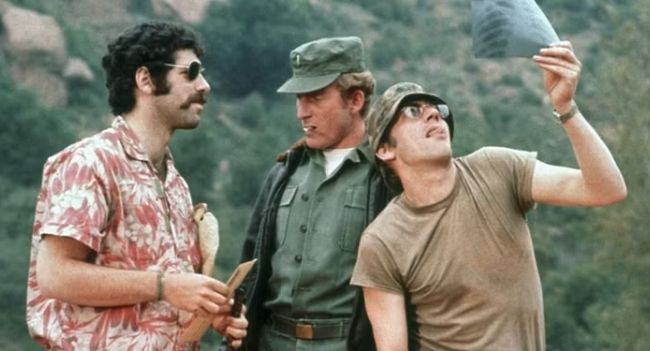
54 Years Later, This Legendary War Series Still Delivers a Powerful Mix of Comedy and Heartbreak
Long before modern television embraced the combination of comedy and drama, one groundbreaking American series had already perfected the formula.
More than five decades after its premiere, MASH* remains one of television’s most remarkable achievements, combining sharp humor, unforgettable characters and an unflinching examination of the human cost of war.
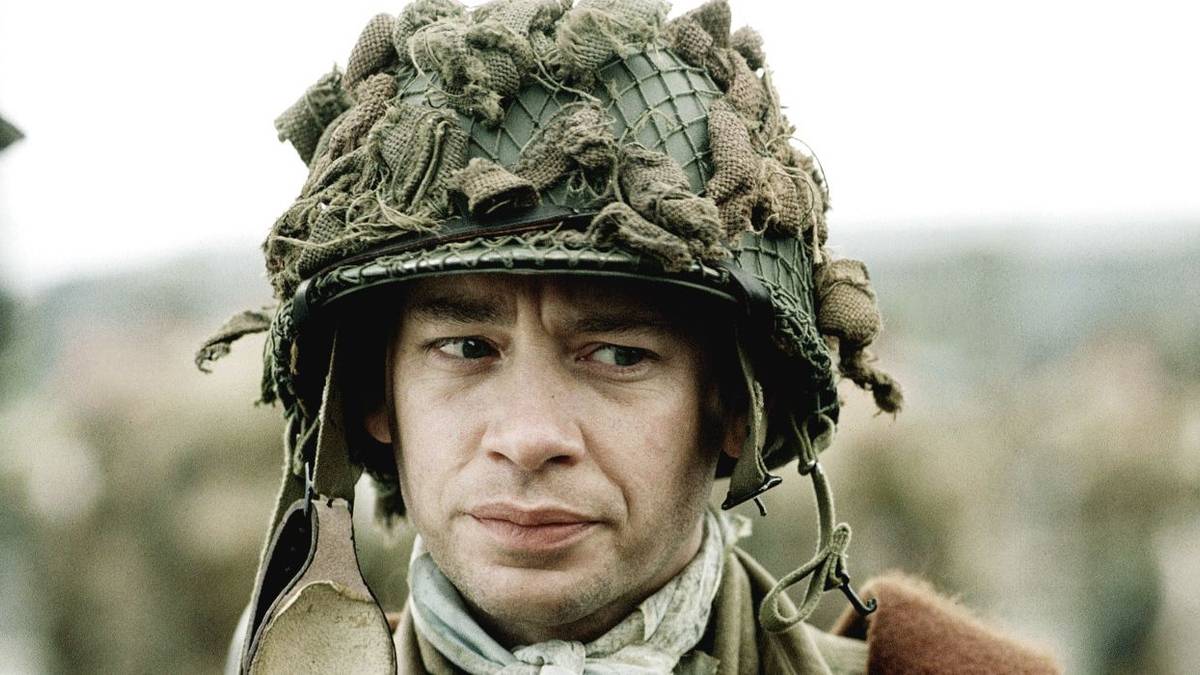
While HBO’s Band of Brothers is widely celebrated for its realistic portrayal of military conflict, MASH* approached the subject from a radically different perspective.
Rather than focusing primarily on combat, the series followed the doctors and nurses struggling to save lives in a military hospital during the Korean War.
Its ability to move effortlessly between absurd comedy and devastating drama helped redefine what a television sitcom could accomplish.
And with all 11 seasons available on Hulu, the classic remains an absorbing choice for viewers seeking a substantial series to revisit.
A War Comedy That Refused to Follow the Rules
Premiering in 1972, MASH* was adapted from Robert Altman’s 1970 film, itself based on Richard Hooker’s 1968 novel.
The series followed the personnel of the fictional 4077th Mobile Army Surgical Hospital during the Korean War, which lasted from 1950 to 1953.
Although the real conflict continued for approximately three years, the television adaptation ran for 11 seasons, concluding in 1983.
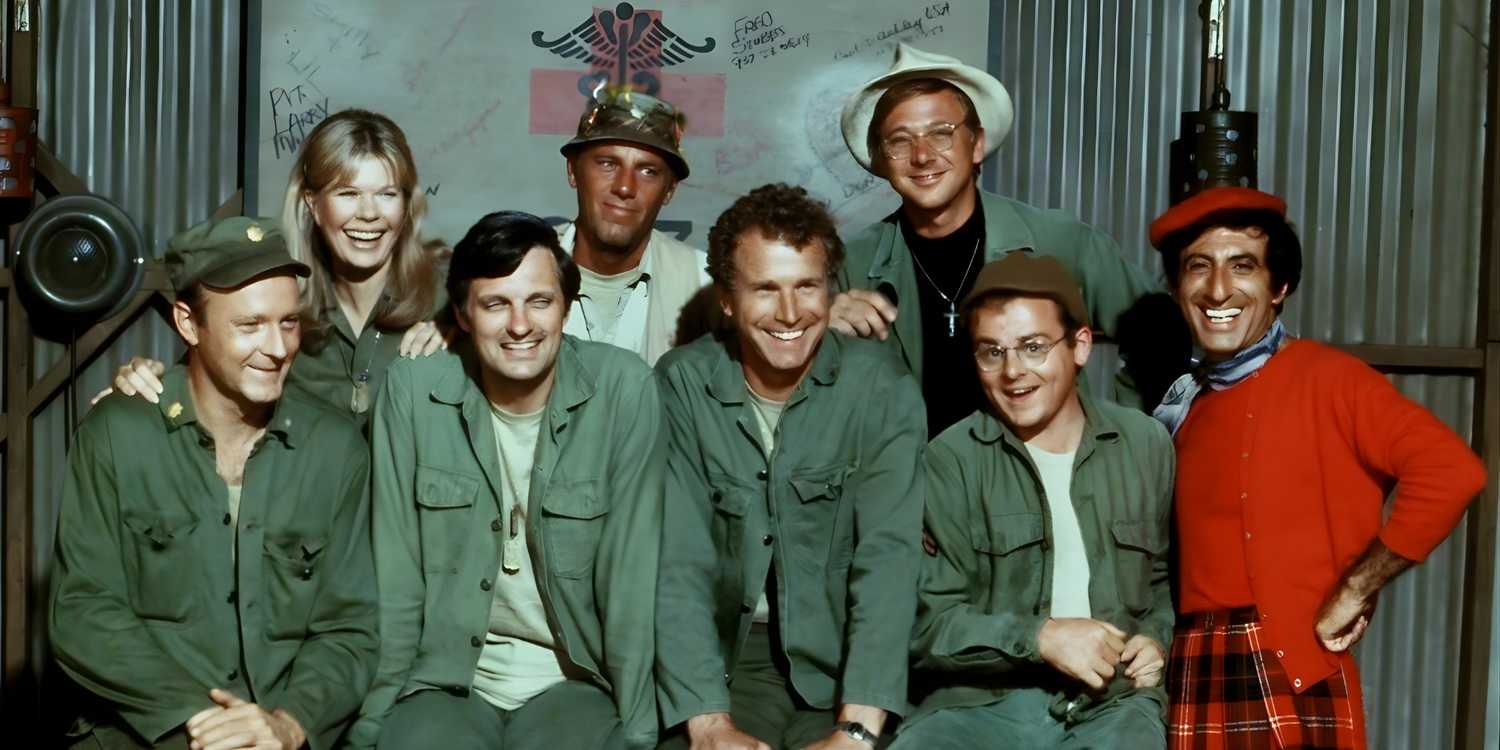
At its center was Captain Benjamin Franklin Hawkeye Pierce, played by Alan Alda, a talented surgeon whose irreverent humor often concealed his frustration with military bureaucracy and the suffering around him.
Wayne Rogers portrayed Hawkeye’s close friend and fellow surgeon, Captain Trapper John McIntyre.
The original ensemble also included McLean Stevenson as commanding officer Henry Blake, Larry Linville as the frequently ridiculed Major Frank Burns and Loretta Swit as the disciplined Major Margaret Houlihan.
Gary Burghoff played the resourceful company clerk Radar O’Reilly, while William Christopher portrayed the compassionate chaplain Father Mulcahy.
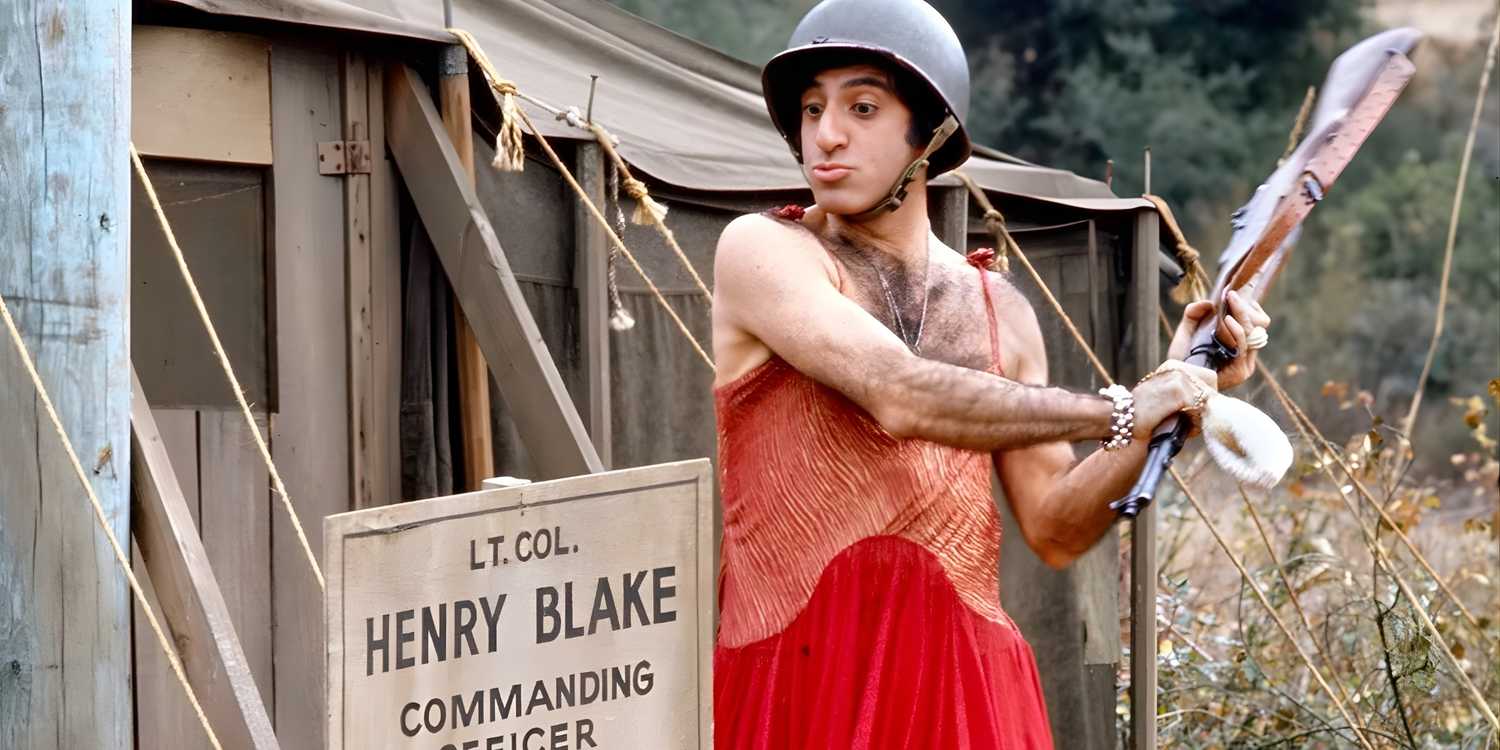
Jamie Farr’s Corporal Maxwell Klinger became another memorable presence, frequently appearing in elaborate outfits in an attempt to secure a discharge from military service.
Together, the characters created a distinctive workplace comedy set against the chaos of war.
The Early Seasons Delivered Some of Television’s Funniest Moments
During its first three seasons, MASH* operated largely as a sitcom, relying on witty dialogue, practical jokes and the clashing personalities of its central characters.
Hawkeye and Trapper regularly challenged military authority, often directing elaborate pranks at the self-important Frank Burns.
Episodes such as Deal Me Out demonstrated the show’s gift for turning unusual situations into comedy, including a prolonged poker game and an encounter with an intoxicated North Korean soldier.
Another standout, Tuttle, followed Hawkeye as he invented a fictional officer to divert military pay toward an orphanage.
The deception gradually spiraled out of control, eventually forcing Hawkeye to deliver a funeral tribute for someone who had never existed.
These stories established the show’s playful identity.
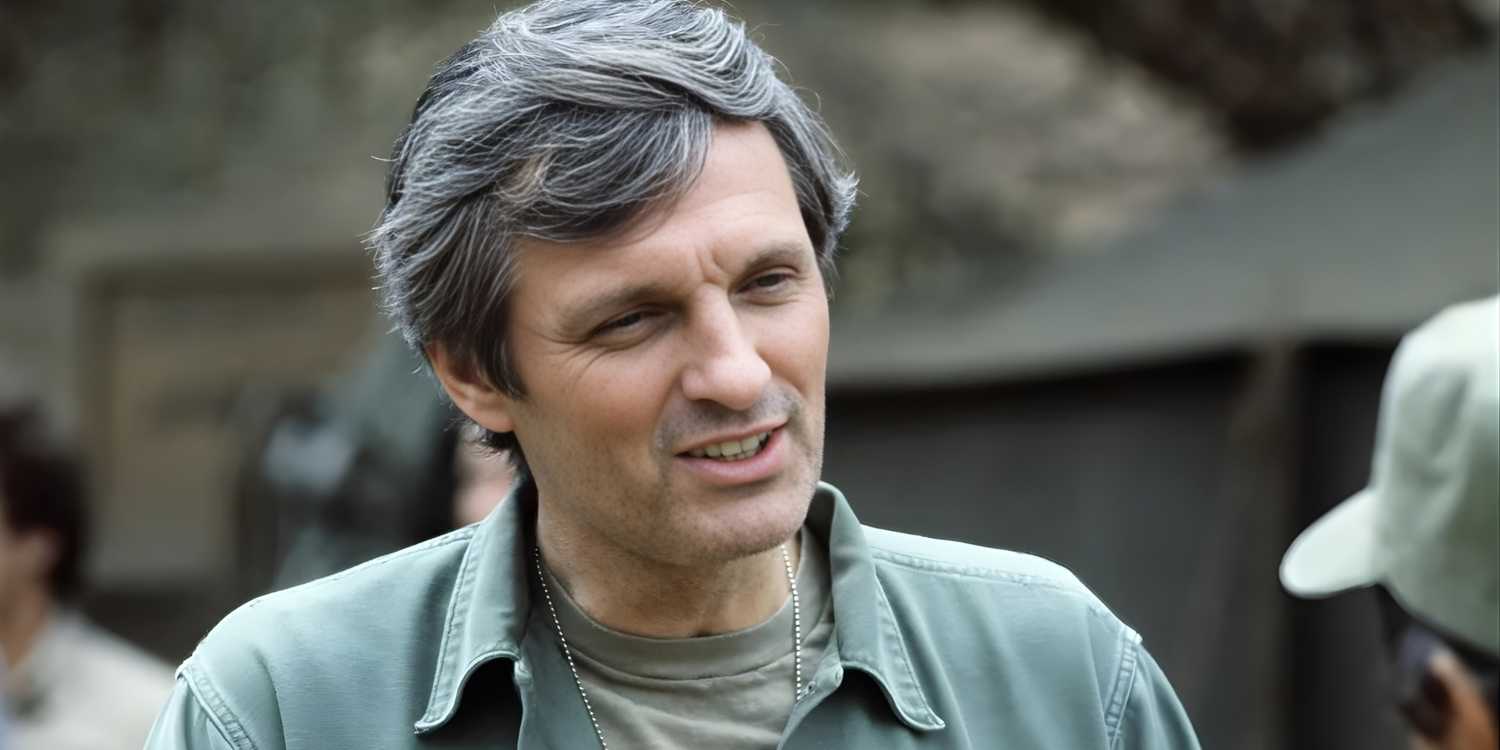
Yet beneath the humor was a growing criticism of the absurdities of war.
Although set during the Korean conflict, the series premiered while the Vietnam War was still underway, giving its anti-war themes particular relevance to contemporary audiences.
One Devastating Episode Changed the Series Forever
The defining turning point arrived in the third-season finale, Abyssinia, Henry.
For much of the episode, the atmosphere was celebratory.
Lieutenant Colonel Henry Blake received his discharge orders and prepared to return home to his family.
He said goodbye to his colleagues, contacted his wife and children, and departed the camp after an emotional farewell.
Everything suggested a happy ending.
However, the episode’s closing moments delivered one of television’s most unforgettable shocks.
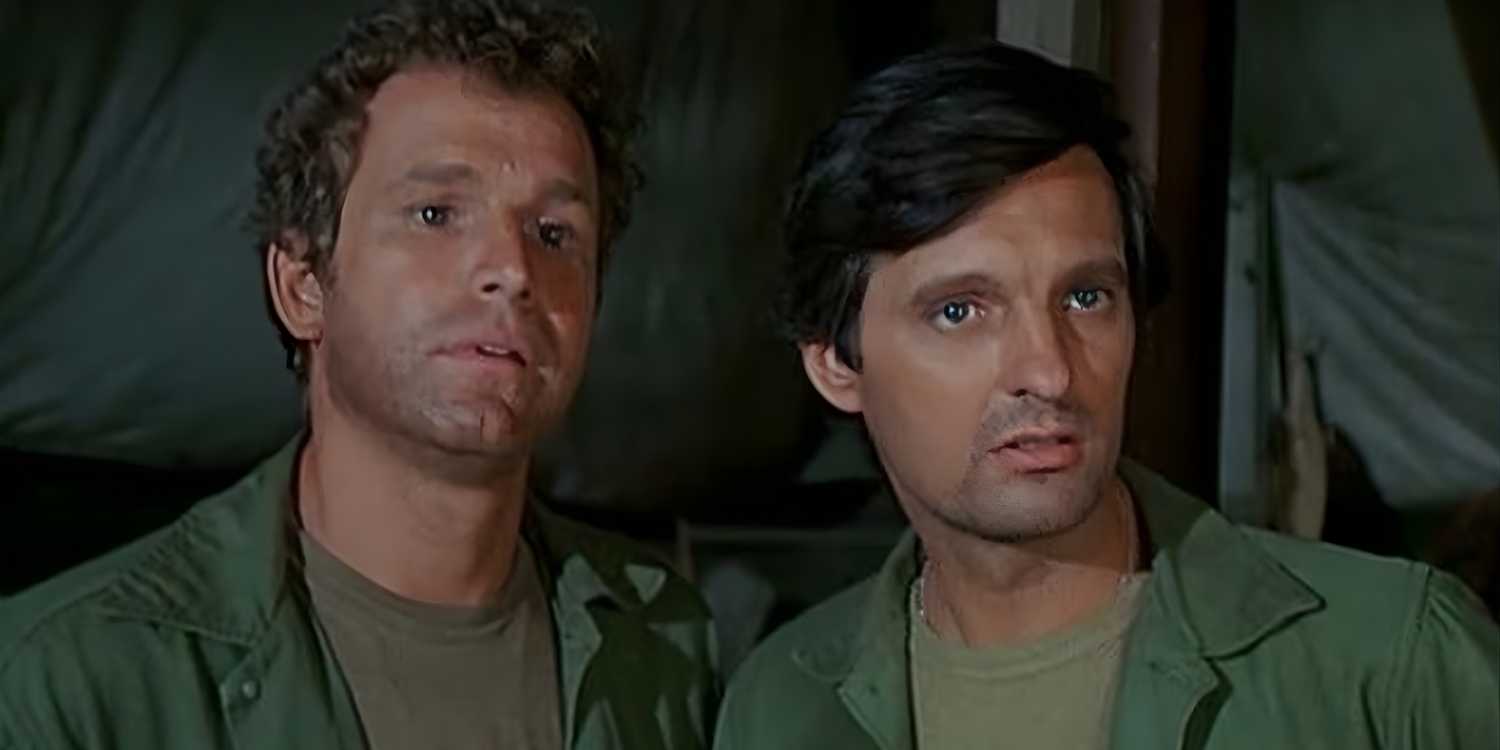
Radar entered the operating room and announced that Henry’s aircraft had been shot down, with no survivors.
The sudden tragedy transformed what had seemed like a conventional farewell episode into a devastating reminder of the unpredictable consequences of war.
The scene was particularly powerful because members of the cast reportedly learned about the ending shortly before filming.
Its emotional impact demonstrated that MASH* was willing to challenge the expectations of a traditional television comedy.
From that point forward, the series increasingly embraced the difficult realities faced by its characters.
New Characters Helped the Show Become Even Stronger
Following Henry Blake’s departure, MASH* underwent several major cast changes.
Mike Farrell joined as Captain B.J. Hunnicutt, replacing Trapper John as Hawkeye’s closest friend.
Harry Morgan became Colonel Sherman Potter, a more experienced and disciplined commanding officer whose compassion made him an important presence in the unit.
Later, David Ogden Stiers joined as Major Charles Emerson Winchester III, replacing Frank Burns.
Unlike the frequently foolish Burns, Winchester was an exceptionally skilled surgeon whose intelligence, pride and occasional vulnerability created a more complicated relationship with Hawkeye.
These additions allowed the series to explore different personalities and moral dilemmas without losing its comedic foundation.
The established characters also developed greater emotional depth.
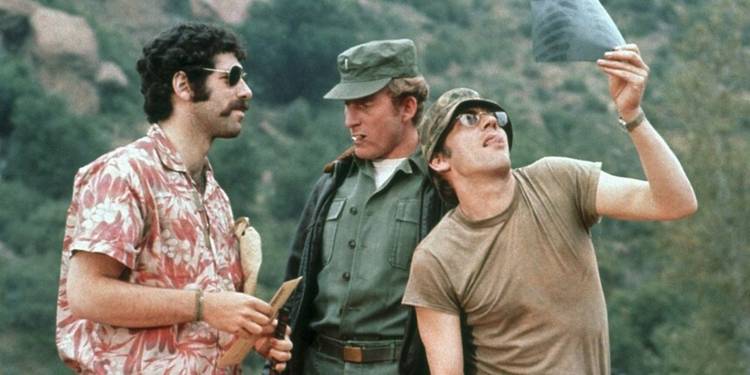
Margaret Houlihan gradually emerged as a more sympathetic and independent figure, moving beyond her initially rigid characterization.
Hawkeye’s humor increasingly became a defense against the emotional strain of treating severely injured soldiers.
As the seasons progressed, the audience saw how years of exposure to suffering affected even the most resilient members of the 4077th.
MAS*H Proved Comedy Could Make War Drama More Powerful
One of the show’s greatest achievements was its ability to use humor without diminishing the seriousness of its subject.
The doctors and nurses joked, argued and played pranks because laughter offered temporary relief from the pressures surrounding them.
However, the comedy never completely erased the reality that wounded soldiers were arriving at the hospital every day.
The contrast made the dramatic moments more effective.
Audiences could spend an episode laughing at the characters’ schemes before confronting a painful reminder of the lives being affected by the conflict.
Rather than treating comedy and drama as competing genres, MASH* demonstrated how each could strengthen the other.
Its approach anticipated the tonal complexity later associated with acclaimed television series that resist simple genre classifications.
The Series Finale Became a Television Landmark
The show’s increasing dramatic ambition did not drive audiences away.
Instead, MASH* became one of the most successful television programmes of its era.
Its final episode, Goodbye, Farewell and Amen, aired on February 28, 1983.
Approximately 105.9 million viewers watched the conclusion, establishing a record for the most-watched television series finale in American history.
The extraordinary audience reflected the attachment viewers had developed to the characters over 11 seasons.
By the time the series ended, the personnel of the 4077th had become far more than familiar sitcom personalities.
Their friendships, personal struggles and experiences of war had given the programme an emotional weight that extended well beyond its original comedic premise.
Why MAS*H Still Deserves to Be Watched Today
More than 50 years after its debut, MASH* remains relevant because its central themes extend beyond the historical conflict in which it is set.
The series examines the psychological burden of war, the importance of friendship and the ways ordinary people cope with extraordinary circumstances.
Its humor can be outrageous, but its emotional observations are often remarkably sincere.
Alan Alda’s performance as Hawkeye remains central to that balance, presenting a character whose jokes frequently conceal exhaustion, anger and compassion.
The supporting cast provides equally memorable performances, giving the fictional hospital a sense of community that develops across the show’s long run.
For viewers accustomed to modern dramas that combine emotional intensity with comedy, MASH* offers an opportunity to experience one of the genre’s most influential predecessors.
Its 11 seasons amount to more than 100 hours of television, but the series rewards that investment through its evolving characters and increasingly ambitious storytelling.
Few shows have captured the absurdity of war and the resilience of the people caught within it so effectively.
Decades after its final episode, MASH* remains a powerful reminder that some of television’s most moving stories can also be among its funniest.