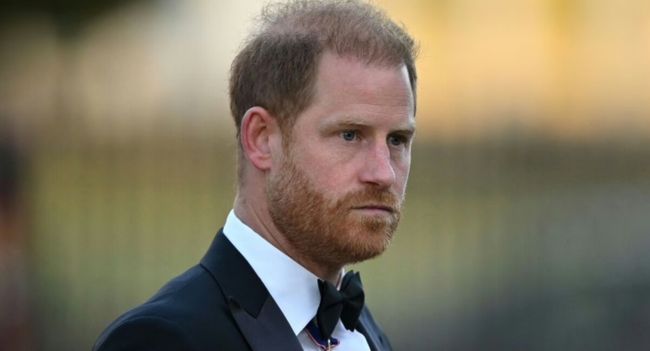
Prince Harry Reveals He ‘Slipped Into Depression’ After Leaving Britain With Meghan Markle — As He Opens Up About The Two Weeks He Could Barely Function

Prince Harry has opened up about a deeply personal period following his move to Canada with Meghan Markle and their young son Archie, revealing that he experienced two weeks of depression after suddenly leaving behind the stressful environment he had grown accustomed to.
The Duke of Sussex, 42, made the admission in a new MasterClass episode released on Thursday, October 8, offering a candid account of the emotional and physical difficulties he says he experienced during one of the biggest transitions of his life.
Harry described an unexpected collapse in his energy and ability to function shortly after arriving in Canada in late 2019.
The experience came just weeks before he and Meghan announced their decision to step back from their senior royal duties.
And according to Harry, the sudden absence of stress affected him in a way he had never previously experienced.
‘I Actually Slipped Into Depression For About Two Weeks’

Speaking alongside neuroscientist Dr Mary-Frances O’Connor, Harry recalled the first few days after arriving in Canada with Meghan and Archie.
For years, he said, his body had been operating under considerable pressure.
But once he found himself away from that environment, the change was overwhelming.
“Being in Canada, away from the stressful environment where presumably my body was just pumped full of adrenaline, within two or three days, I experienced this adrenaline crash, something that I’d never experienced before,” Harry explained.
The Duke said the experience left him struggling with ordinary activities around the house.
“It was as if I needed stress in order to get the adrenaline to make my brain function because I became useless around the house,” he continued.
He then revealed the emotional impact of that sudden change.
“I actually slipped into depression for about two weeks, and I felt like I couldn’t function without adrenaline.”
His account offers a new perspective on a period that had previously been discussed largely in terms of the Sussexes’ decision to leave royal life.
Behind the scenes, Harry says he was experiencing a difficult personal adjustment.
Harry Opens Up About The Loss Of Princess Diana

The MasterClass programme was filmed in California earlier this summer and explores how grief can affect the brain and body.
For Harry, the discussion was inseparable from the death of his mother, Diana, Princess of Wales.
Diana died in a car crash in Paris in August 1997, when Harry was just 12 years old.
The Duke has spoken publicly on several occasions about the lasting emotional impact of losing his mother at such a young age.
In the new programme, he reflected on how he responded to questions about his well-being for many years afterwards.
“For 15, 20 years, when I was being asked, ‘Are you okay?’ My response was, ‘I’m fine,’” Harry said.
But he now believes those words concealed what he was experiencing internally.
“It was numbness, emotional shutdown. And without knowing it, adrenaline was pushing me, was driving me.”
Harry suggested that remaining constantly occupied helped him avoid confronting difficult emotions associated with his mother’s death.
Why Harry Says He Joined The Military

The Duke also connected those experiences to his decision to pursue a military career.
Harry joined the British Army as a young man and went on to serve in Afghanistan.
Looking back, he described military service as an environment that gave him an intense sense of purpose and something demanding to focus on.
“It was the driving force of what led me to join the military at the age of 20,” he said.
“It was the perfect distraction. I couldn’t really think about much else apart from the task at hand.”
For Harry, the structure and demands of military life provided an escape from the emotional difficulties he had carried for years.
However, he said that his experiences during his service eventually brought those feelings back to the surface.
‘I Felt Like I Was Suffocating’
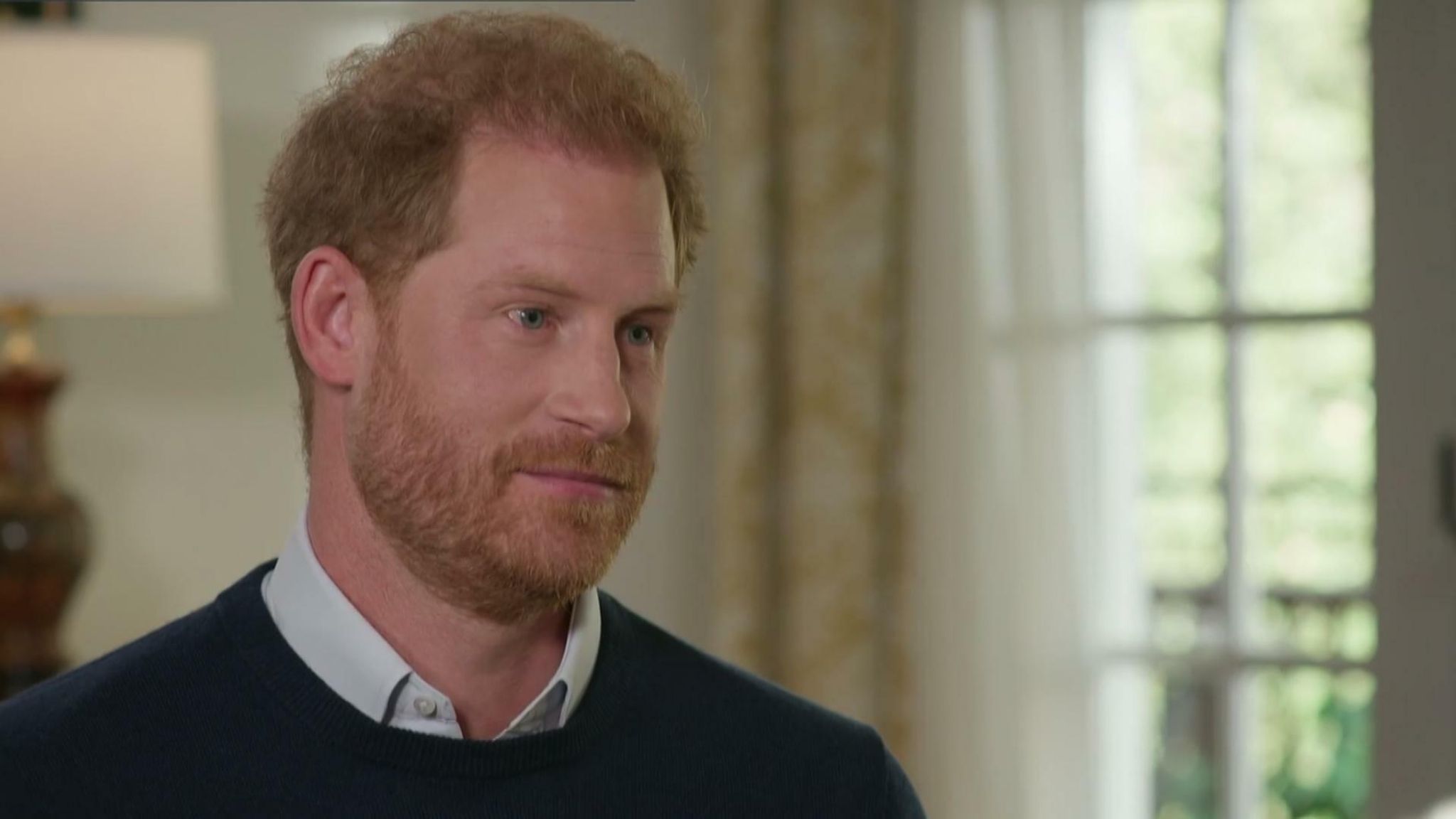
After returning from his second tour of Afghanistan in 2013, Harry began to recognise what he believed was a connection between his military experiences and earlier trauma.
“The things that I saw, the things I experienced, appeared to be a trigger for other traumas that had stored themselves within me,” he explained.
The Duke described becoming increasingly aware of his physical reactions to everyday situations.
One particular memory involved something as ordinary as putting on a shirt.
“I started to realise that I probably had become seriously depleted when just putting a simple dress shirt on — the tightening of the collar — literally felt like I was suffocating,” Harry recalled.
He also described experiencing panic attacks while travelling to work.
The symptoms eventually convinced him that he needed to investigate what was happening.
“And that’s when I realised, ‘Okay, there’s something bigger, there’s something else that you need to look into here.’”
The comments form part of Harry’s broader discussion with Dr O’Connor about grief, emotional responses and the effects of prolonged stress.
The Canada Move Came Before The Royal Exit
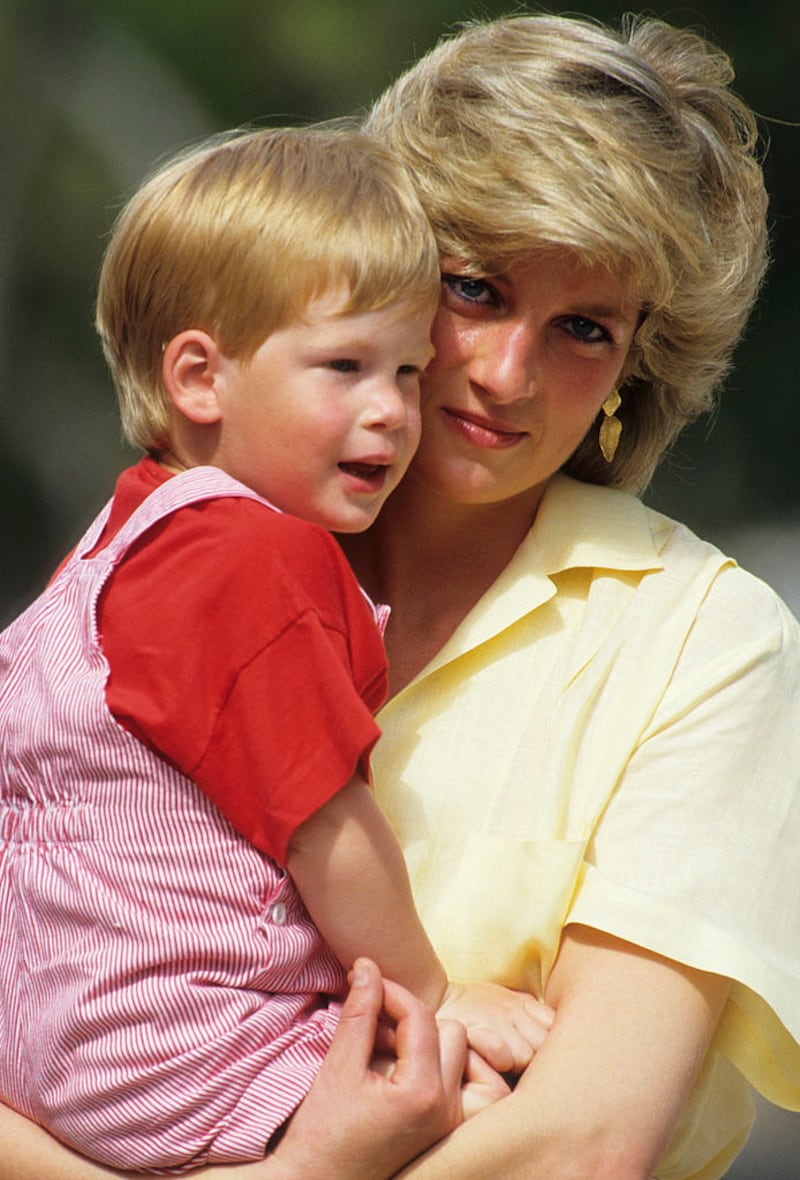
Harry’s account returns attention to the closing months of 2019, when the Sussexes made a decision that would ultimately change their relationship with the Royal Family.
The couple travelled to Canada with their baby son Archie for an extended family break.
They spent Christmas there rather than joining Queen Elizabeth II and other members of the Royal Family at Sandringham.
It was Archie’s first Christmas, and the decision attracted considerable attention at the time.
Harry and Meghan briefly returned to Britain without their son in early January 2020.
During that visit, they attended an engagement at the Canadian Embassy in London.
Then, on January 8, they announced that they intended to step back from their roles as senior working members of the Royal Family.
The announcement marked the beginning of a major change in their public and private lives.
The Sandringham Summit Changed Their Future
Following the Sussexes’ announcement, Queen Elizabeth II convened discussions involving Harry, the then Prince Charles and Prince William.
The meeting became widely known as the Sandringham Summit.
Harry and Meghan had initially hoped to establish an arrangement that would allow them to retain some royal responsibilities while pursuing greater independence.
However, the proposed arrangement was not accepted.
The couple subsequently stepped away from official royal duties and established a new life in the United States.
They eventually settled in Montecito, California.
Their family grew in June 2021 when Meghan gave birth to their daughter, Princess Lilibet Diana, in Santa Barbara.
A Different Perspective On Harry’s Departure
For years, Harry and Meghan’s departure from royal duties has been examined through the lens of family tensions, public criticism and their decision to pursue a different life.
But Harry’s latest account focuses on what he says was happening to him personally during that transition.
His description of an adrenaline crash suggests that leaving a stressful environment did not immediately bring the sense of relief he might have expected.
Instead, he says he struggled to function and experienced a period of depression lasting approximately two weeks.
The Duke’s reflections also connect that difficult period to a much longer personal history, including his mother’s death and the emotional consequences he associates with his military service.
Through his conversation with Dr O’Connor, Harry is sharing how he has come to understand those experiences over time.
Harry’s Most Personal Reflection On A Life-Changing Decision
The move to Canada in late 2019 would eventually become the first step towards Harry and Meghan’s departure from working royal life.
At the time, the decision generated headlines around the world.
Now, Harry has revealed that those early days away from Britain were accompanied by an emotional struggle that was not visible to the public.
His account of feeling unable to function without the stress he had grown accustomed to adds a deeply personal dimension to one of the most scrutinised chapters of his life.
And for the Duke, the experience appears to have been about more than simply adjusting to a new country.
It was also part of a longer process of confronting the grief and emotional difficulties he says he had carried since childhood.