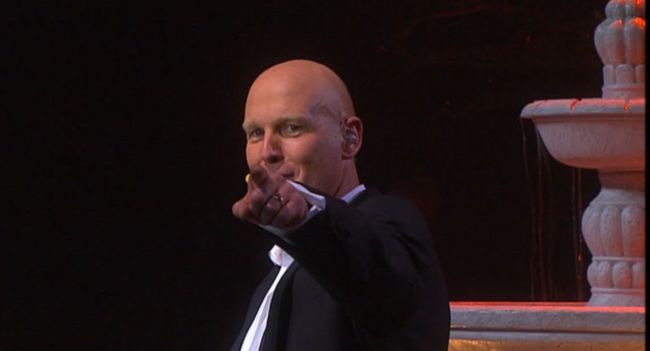
George Donaldson could command a room with nothing more than his unmistakable baritone and quiet sincerity. But every so often, he showed Celtic Thunder audiences another side of himself — playful, mischievous and completely at home sharing the spotlight with the people watching him.
Few performances captured that side of George better than “I’m Gonna Be (500 Miles).”
The Proclaimers classic gave Donaldson permission to loosen up, have fun and turn a familiar song into something much bigger than a solo performance. By the time its famous refrain arrived, the audience was no longer simply watching.
They were part of the song.
A Very Different George Donaldson
Fans who knew Donaldson through Celtic Thunder often associated him with warmth, depth and songs carrying real emotional weight.
“500 Miles” offered something different.
Released on Celtic Thunder’s Take Me Home in 2009 and credited to Celtic Thunder featuring George Donaldson, the track allowed his personality to come forward in a lighter way. The song also became part of the group’s concert material, where its infectious rhythm made it ideally suited to a live audience.
From the beginning, George appeared to understand exactly what the number needed.
He wasn’t trying to reinvent the song or overwhelm it with theatrics. Instead, he leaned into its humor, momentum and instantly recognizable rhythm.
His gestures became more animated. His delivery felt relaxed. There was a visible sense that he was enjoying himself.
Contemporary reviews noticed the change as well, describing the number as a playful departure from the more serious material audiences often associated with him.
And that enjoyment proved contagious.
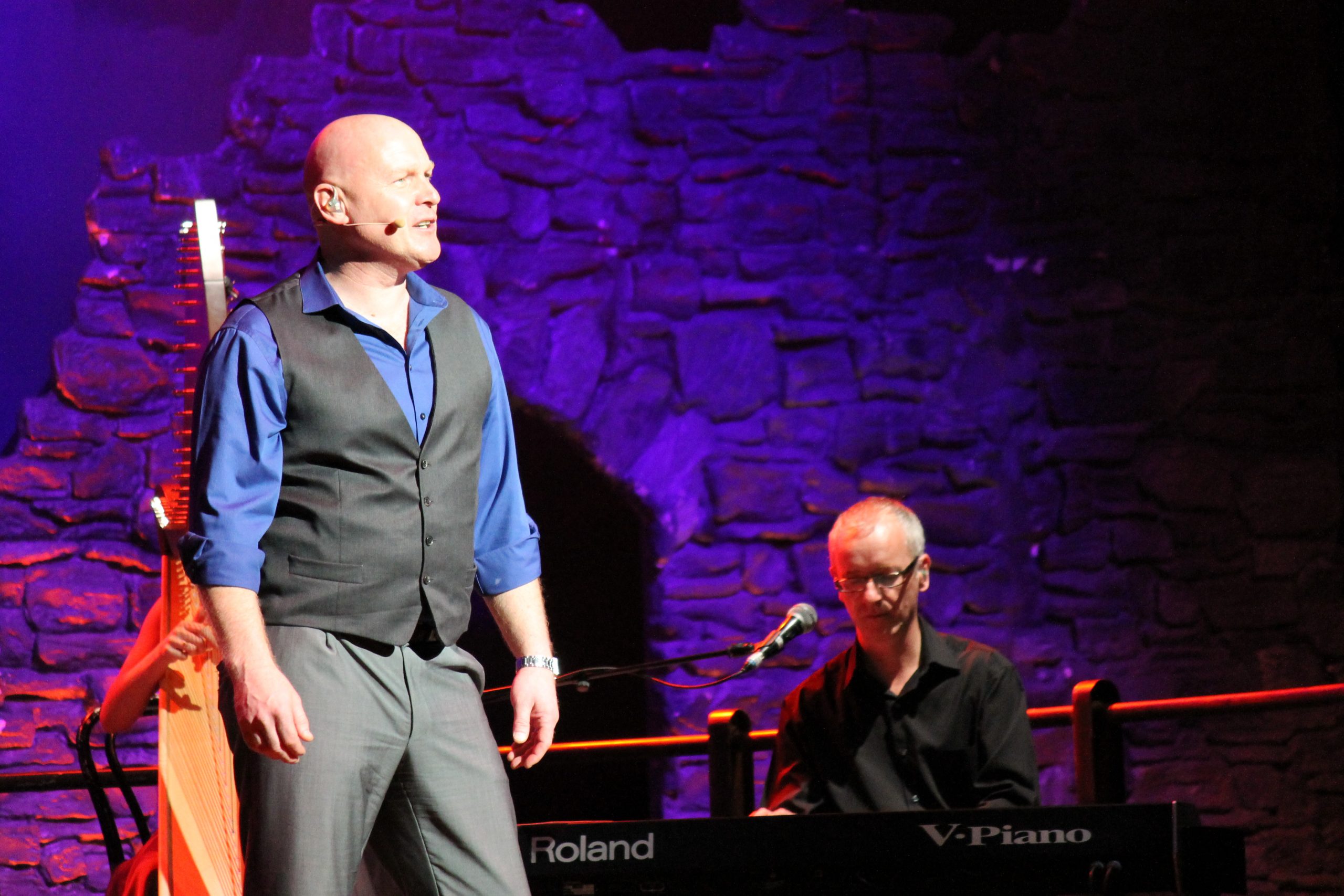
The Moment The Crowd Became Part Of The Performance
There is a point in “500 Miles” that almost demands participation.
The famous refrain arrives, and suddenly sitting quietly becomes difficult.
Donaldson embraced that completely.
Rather than keeping the performance confined to the stage, he encouraged the audience to join him. Fans began clapping. Voices rose from the seats. The unmistakable “da-da-da-da” refrain spread through the room.
One review of a later Celtic Thunder performance even recalled a fan holding up a sign referencing that famous part of the song.
It was a small detail, but it captured exactly what the number had become.
This wasn’t merely George singing while an audience listened.
It was George starting something and thousands of people answering him.

For those few minutes, the usual boundary between performer and audience almost disappeared.
George Didn’t Need A Spectacle
Part of the charm was how little the performance seemed to require.
There was already an irresistible song. There was a band driving it forward. And standing at the center was a performer who understood how to make a crowd feel included.
George didn’t need to dominate every second.
He could give the audience space.
He could smile, gesture toward them and allow their voices to become part of the arrangement. That ease made the singalong feel spontaneous rather than forced.
Reviews of the performance repeatedly highlighted the fun surrounding it. Donaldson appeared to be enjoying the song enormously, and the musicians around him seemed caught up in the same mood.
That mattered because audiences could sense when George was enjoying himself.
And when he was having fun, they were invited to have fun with him.
The Song Revealed Something Fans Loved About George
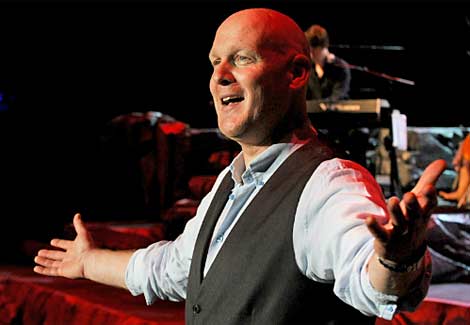
Behind Donaldson’s powerful voice was a personality audiences had grown attached to.
He could deliver reflective material with remarkable sincerity, but he was never limited to solemn performances. There was humor there, too. Warmth. A willingness to play to the room and let his personality emerge between the notes.
“500 Miles” gave that side of him room to breathe.
The song itself is built around devotion — the extravagant promise of walking 500 miles and then 500 more — but its relentless rhythm and famous chorus prevent that devotion from ever becoming overly serious.
George seemed perfectly comfortable living in both sides of it.
He could preserve the warmth at the center of the lyrics while embracing everything playful about the performance.
That combination helped make the number feel unmistakably his.
More Than A Cover Song
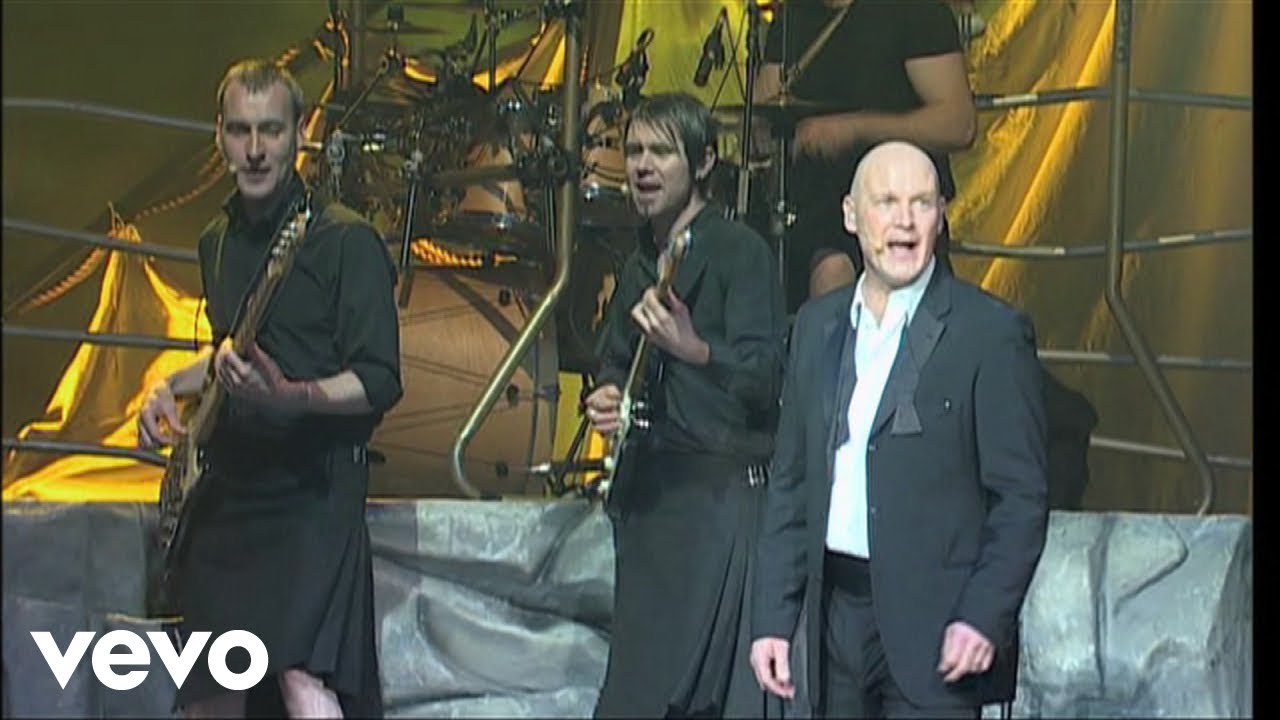
Plenty of singers can perform a famous song.
Far fewer can make an audience feel as though the song belongs to everyone in the room.
That was the transformation George achieved with “500 Miles.”
The opening pulled people in. His playful delivery changed the atmosphere. The familiar chorus gave everyone permission to participate.
And suddenly a Celtic Thunder concert had become a giant singalong.
Nobody needed complicated choreography or an enormous dramatic moment. The memory came from something much simpler: a performer enjoying a song and an audience responding instinctively to him.
Years later, that is why the performance remains so easy to return to.

Fans aren’t merely watching George Donaldson sing a Proclaimers classic.
They’re watching his smile, his gestures and the crowd responding around him. They’re seeing a performer remembered for his rich voice reveal the humor and warmth that made people connect with him beyond the music.
For those few minutes, George Donaldson wasn’t performing at the audience.
He was singing with them.

And when that familiar “da-da-da-da” filled the room, it became one of those wonderfully simple Celtic Thunder moments where everyone — George, the musicians and the crowd — seemed to be enjoying exactly the same thing at exactly the same time.
For a song promising to go 500 miles and 500 more, George made sure nobody had to make the journey alone.