
(Image credit: Alamy)
Whether it’s “10 Things I Hate About You,” “Save the Last Dance” or “The Bourne Identity,” I’ve been a Julia Stiles fan for a long time. I can’t help but feel a little spark of excitement whenever I see her attached to a new project. That’s why her upcoming psychological thriller indie series, “Recap,” has caught my attention. It hasn’t landed at a network yet, but it’s still exciting to see Stiles stepping into another dark, meaty role.
That news sent me down a bit of a Stiles rabbit hole and reminded me of a lesser-seen thriller in her filmography that quietly slipped under the radar. Based on a novel by Patricia Highsmith, “The Cry of the Owl” (2009) stars Stiles opposite Paddy Considine in an unsettling story about an unusual relationship that begins with voyeurism.
What is ‘The Cry of the Owl’ about?
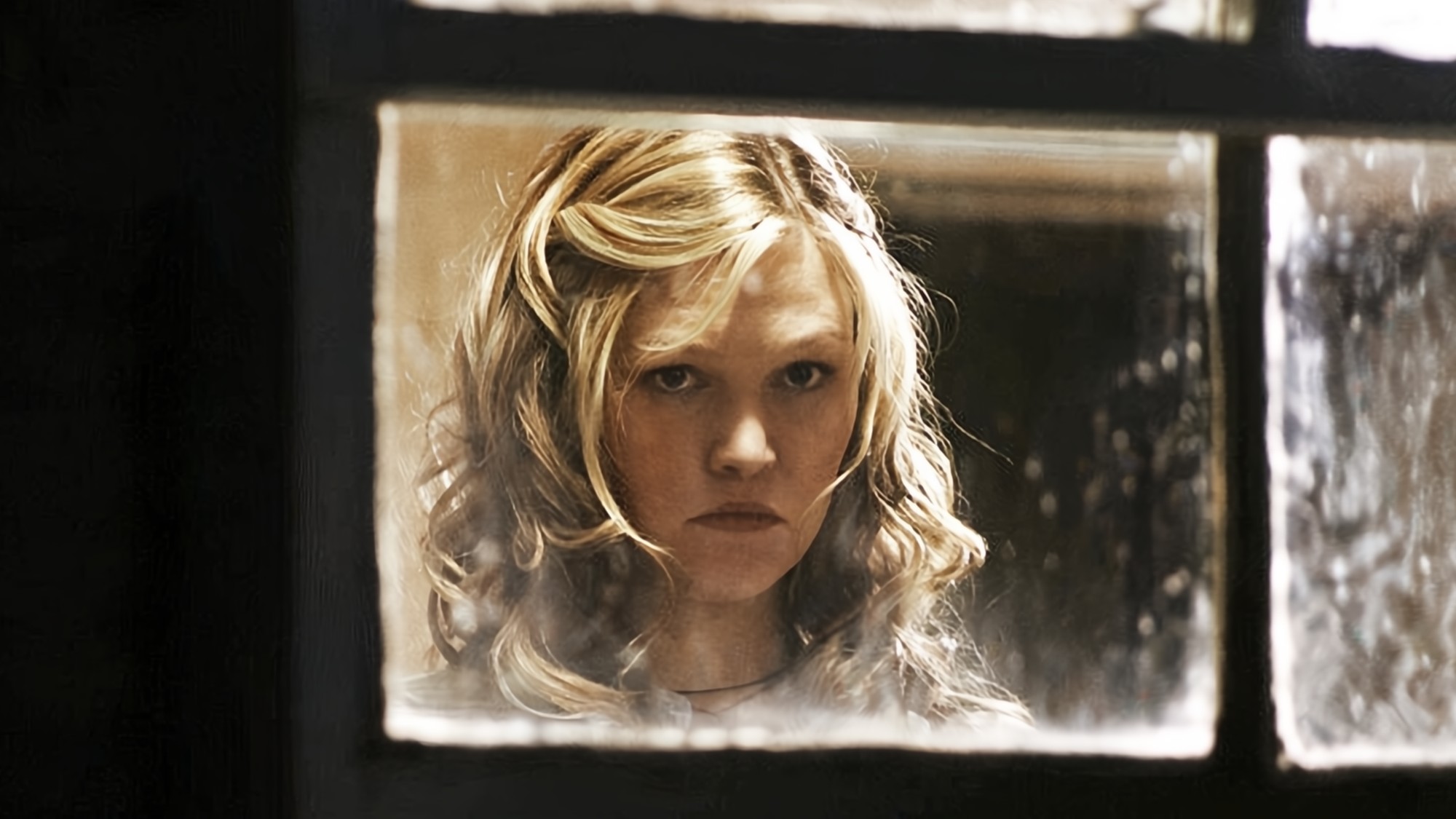
The film centers on Robert Forrester (Considine), a man newly arrived in town and reeling from a bitter divorce. One night after work, he veers off an empty, dark road and pulls up in front of a house that isn’t his. From behind a tree in the shadowy yard, he watches Jenny (Stiles) go about her evening — washing dishes, taking out the trash, doing utterly ordinary things. The mundanity only heightens the discomfort, and the Peeping Tom energy is unmistakably creepy.
![The Cry of the Owl (2009) Original Trailer [FHD] - YouTube](https://img.youtube.com/vi/6XvJF56X3YU/maxresdefault.jpg)
Watch On
Eventually, Jenny realizes she’s being watched. Instead of reacting with fear, she calls out to him and even invites him inside. It’s no less unsettling for Robert, who suddenly finds himself inside the very house he’d been observing from afar.
Stranger still, a relationship begins to form. Jenny starts showing up at Robert’s workplace and inserting herself into his life, complicating his already messy divorce. Things grow more volatile when she breaks up with her boyfriend, Greg (James Gilbert), who is understandably unhappy to see her suddenly attached to someone new.
Jenny quickly becomes intense and grows increasingly unhinged, moving far too fast and blurring every emotional boundary. When a confrontation between Robert and Greg spirals out of control, it sets off a chain of events that can’t be undone. Greg goes missing, suspicion mounts, and Robert finds himself trapped in a tightening web, unable to disentangle himself from Jenny and watching his career, his marriage and his future unravel.
Why you should stream ‘Cry of the Owl’

Stiles is terrific here, leaning into the role of a woman who is clearly troubled, lonely, and unpredictable. Considine, meanwhile, excels at playing discomfort; his Robert is awkward and passive, managing to be unsettling without tipping into outright sleaze. As accusations begin to fly and Robert becomes implicated in a crime, the film tightens its grip and picks up momentum.
What lingered with me most is the film’s underlying warning: You can’t truly understand someone’s life from a distance. It’s a lesson Robert learns the hard way, after inserting himself into a mystery he might have avoided had he never stopped to watch Jenny in the first place. If you have a soft spot for Hitchcockian-style thrillers — quietly tense, psychologically messy, and morally murky — “The Cry of the Owl” is well worth seeking out.