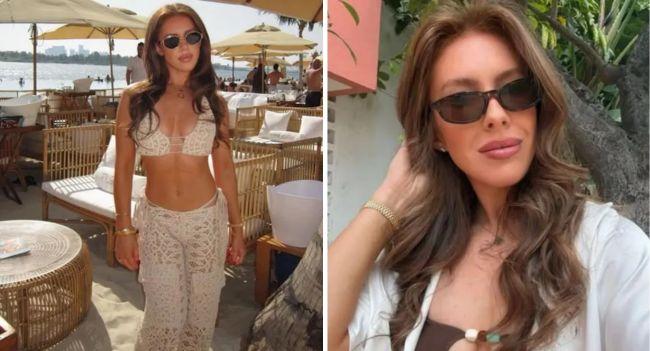

AN influencer who ran a “superfake” fashion sidle-hustle has been ordered to pay £213,000 in damages to the designer brands she ripped off.
Georgia Aldridge flogged fake high-fashion items worth hundreds of thousands of pounds through her business Rolo Fashion Ltd.


She was hauled to court by some of the world’s most exclusive fashion brands – including Fendi Italia Srl, Christian Dior Couture S.A. and their parent company Lvmh Moët Hennessy and Louis-Vuitton Se.
The luxury retailers accused Georgia, who runs an Essex-based social media marketing agency, of trademark infringement.
A default judgement found both Georgia and her fashion company had “infringed the trademarks by selling what the claimants describe as counterfeit luxury goods bearing one or more of the trademarks”.
Judge Richard Hacon has now awarded the fashion brands £213,000 in damages, saying the scheme lost the companies 713 sales and deprived them of licensing cash on over 4,000 transactions.


The High Court heard Georgia sold some of the goods – described as “superfakes” due to their high quality – through a dedicated WhatsApp group.
The dupes, which carry a higher price and “higher attention to detail”, were more likely to be seen as genuine by the public – and therefore were more likely to “deprive” the brands of a sale.
But the side-hustle was brought to a halt 18 months ago after lawyers for the fashion giants obtained the judgment against her and her company.
The judge said that Richard Ferguson, for the claimant fashion brands, had argued for six-figure damages due to “three heads of damage: damage to the reputation of the brands, profits lost as a consequence of lost sales and lost licensing income.”
But he threw out claims the brands suffered reputational damage as a result of Georgia’s activities.
The judge added: “I see no evidential basis for a finding that the defendants’ sales have had an effect on the reputation of any of the claimants’ trademarks,” he said.
“The evidence does not suggest that purchasers from the defendants believed that they were buying products sourced from a claimant.
“More likely, they understood that they were dealing with the commonplace circumstance of counterfeit luxury goods being provided by parties of which the brand owner strongly disapproves.”
But he continued: “I will direct that the defendants must pay to the claimants collectively the sum of £213,000.”