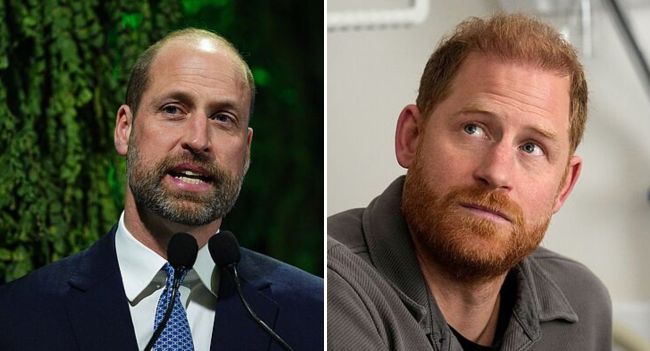
Prince William Reportedly Drafting Radical “Job Title” Rule for Royal Titles When He Becomes King—Affecting Prince Harry, Archie, and Lilibet

How the Proposed “Working Royal” Rule Would Work

-
Benefits Reserved for Working Royals: Under the reported framework, royals who carry out official engagements, domestic tours, diplomatic missions, and government responsibilities would retain their HRH styles and prince or princess titles, alongside a salary/allowance and one official residence.
-
Private Citizenship for Non-Working Royals: Those who do not undertake full-time royal duties would forfeit HRH styles, princely titles, and free or subsidized royal properties—living instead as private citizens free to pursue commercial ventures and earn money independently:
“If you are a working royal – going out, touring the country, doing diplomatic work, doing government work, having a public role, pressing the flesh, getting out of bed on a wet Wednesday to go to Sheffield – then you will be an HRH and you will have a prince or princess title. You will also get an allowance, a salary and a place to live. One place to live. If you are not doing those things and you are not a working royal, you will not get to be an HRH, you will not get a free or subsidised place to live and you will not get any special favours. You will, however, be a private citizen free to get on with your life and make money any way you choose.”
Impact on the Sussexes and William’s Own Younger Children

-
Freedom—and Trade-Offs—for Princess Charlotte and Prince Louis: While 13-year-old Prince George’s future as heir to the throne is described in the book as “set in concrete,” William’s younger children, Princess Charlotte (11) and Prince Louis (8), would also be given the choice as adults to give up their royal titles and HRH styles if they wish to pursue independent careers outside the monarchy.
-
What a Monarch Can Actually Remove: Under British constitutional rules established by King George V’s 1917 Letters Patent (and updated by Queen Elizabeth II in 2012), princely titles and HRH styles are governed by the sovereign and can be revoked by a reigning monarch issuing new Letters Patent—a precedent demonstrated on November 3, 2025, when King Charles III removed his brother Andrew’s princely title and HRH style. However, Letters Patent cannot remove a peerage, meaning Harry would remain the Duke of Sussex (and Meghan the Duchess of Sussex) unless Parliament passed legislation to strip the dukedom.
-
Palace Response: Because William is currently heir to the throne rather than monarch, no formal policy changes can be enacted now. Responding to the book’s claims, a Kensington Palace spokesperson stated: “As a matter of policy, we don’t comment on books or claims made within them”.
Separate Royal Update: King Charles III Voluntarily Waives Immunity for New “Mansion Tax”

-
How the Surcharge Applies: Introduced in Chancellor Rachel Reeves’ 2025 Budget, the High Value Council Tax Surcharge applies an annual charge of between £2,500 and £7,500 on residential properties in England valued at £2 million or more. While state-owned Crown Estate landmarks such as Buckingham Palace and Windsor Castle are excluded, the King’s decision covers privately owned royal homes—mirroring the precedent set in the 1990s when Queen Elizabeth II (and later Charles, who disclosed a £12.9 million tax bill for 2024–25) agreed to pay income and capital gains tax voluntarily.