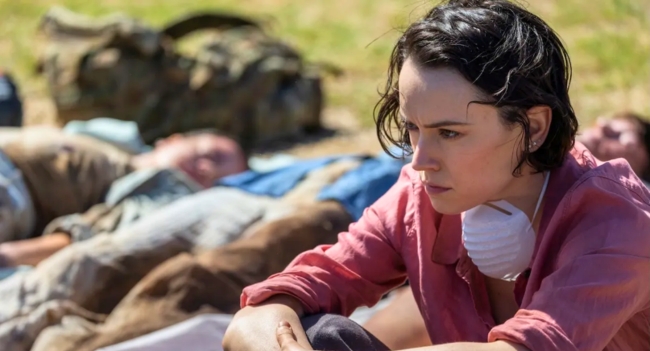
Zombie movies have been finding new ways to reinvent the genre for decades, but We Bury the Dead takes a particularly compelling approach. The 95-minute horror drama, starring Daisy Ridley, combines the frantic danger associated with 28 Days Later with the traces of humanity seen in Warm Bodies. Yet its most intriguing idea is not the threat posed by the undead. It is the question of what they might still want after they die.
Directed by Zak Hilditch, We Bury the Dead follows Ava Newman (Ridley), a physiotherapist who travels through Tasmania searching for her husband after an experimental American weapon devastates the island. The attack kills countless people, but some of the victims later regain their motor functions. They can move, sometimes act on familiar impulses, and can become violent.
Ava soon discovers that surviving the undead may depend on more than simply knowing when to run. Understanding what drives them can be just as important.
Daisy Ridley Makes Ava’s Grief the Heart of the Story
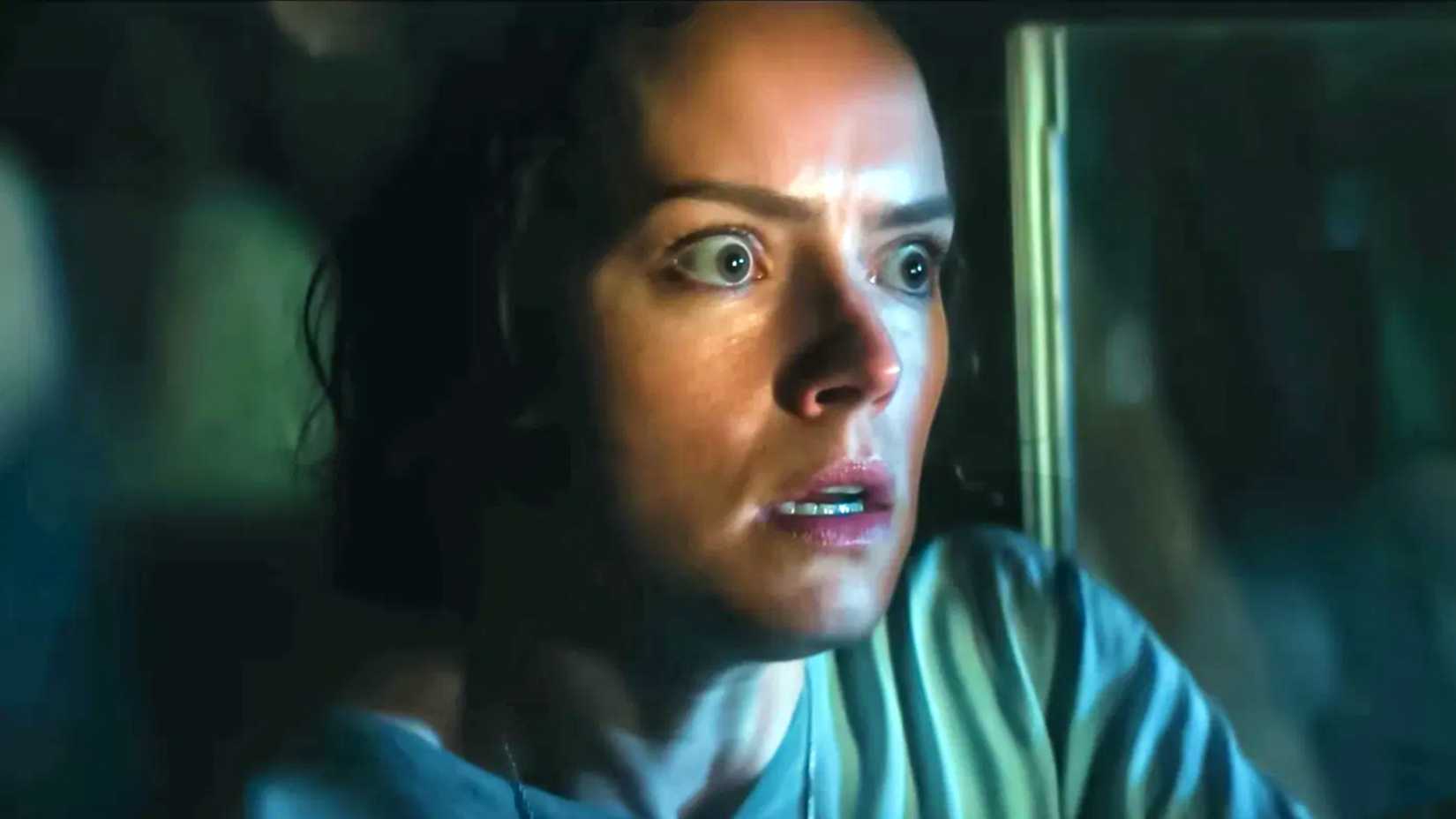
Ridley gives one of the film’s strongest performances as Ava, a woman who is completely out of her depth in an apocalyptic situation. She is not a trained fighter or a conventional horror protagonist. Her only real objective is finding her husband, and Ridley communicates Ava’s desperation even when she says very little.
At first, Ava believes Mitch could still be alive. As her search continues, however, she is forced to confront the problems that had already been weighing on their marriage. Her journey becomes as much about grief and guilt as it is about finding her husband.
That emotional conflict keeps Ava from becoming detached from the horror around her. She encounters body after body, yet the movie never lets those encounters become routine. Each one forces her to consider whether the person standing before her is still human, a danger, or somehow both.
The question becomes even more disturbing when Ava meets Riley, played by Brenton Thwaites.
Riley has been studying the behavior of the undead and believes they may be acting on unfinished business from their lives. He takes that theory to an extreme, keeping several undead people chained inside his shed. Among them is his pregnant wife, Katie.
Riley cannot accept Katie’s death. Instead, he convinces himself that some part of her remains and builds his understanding of the undead around that belief. Ava is eventually forced to confront a similar question, although her reasons for doing so are very different.
How much of a person remains after death?
Ava desperately wants to believe Mitch is still somewhere out there. But every encounter with the undead makes her reconsider what being alive actually means. Ridley’s performance gives that uncertainty much of its emotional weight.
The Undead Are More Than Monsters
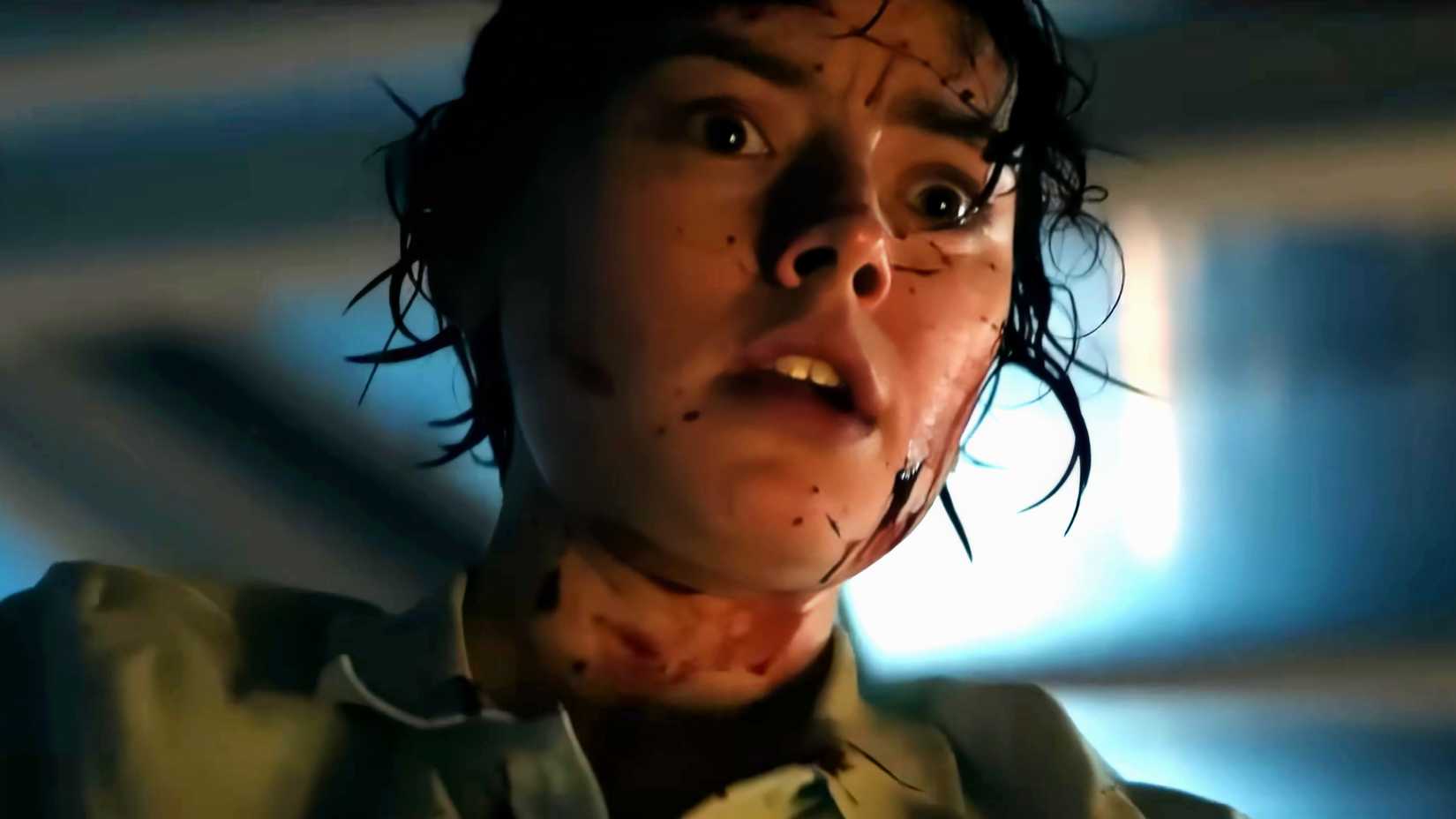
What separates We Bury the Dead from many modern zombie movies is the way its undead behave. Hilditch does not use them simply as mindless creatures whose only purpose is to chase survivors.
Their behavior is often unpredictable because they appear to retain fragments of their former lives. An undead person may attack, but they may also attempt to complete an action they were unable to finish before dying.
One of the film’s most memorable examples involves an undead father at an abandoned camper. During the night, he wakes up, takes a shovel, and begins digging a grave for himself and his family.
He does not attack Ava. He simply continues digging.
Eventually, Ava helps him complete the grave. Once the task is finished, he allows her to kill him.
The scene gives the film’s comparison to Warm Bodies a darker meaning. The 2013 movie explored the idea that zombies could retain elements of their humanity. We Bury the Dead takes a more unsettling approach. Its undead do not necessarily become human again. Instead, they seem compelled by the things they left unfinished while they were alive.
Riley’s behavior is built around that possibility. After noticing differences in how the dead behave, he becomes convinced that unfinished business is keeping them moving. His theory becomes inseparable from his refusal to accept Katie’s death.
A Different Kind of Zombie Horror
There are obvious similarities between We Bury the Dead and 28 Days Later, but Hilditch approaches the infected in a very different way.
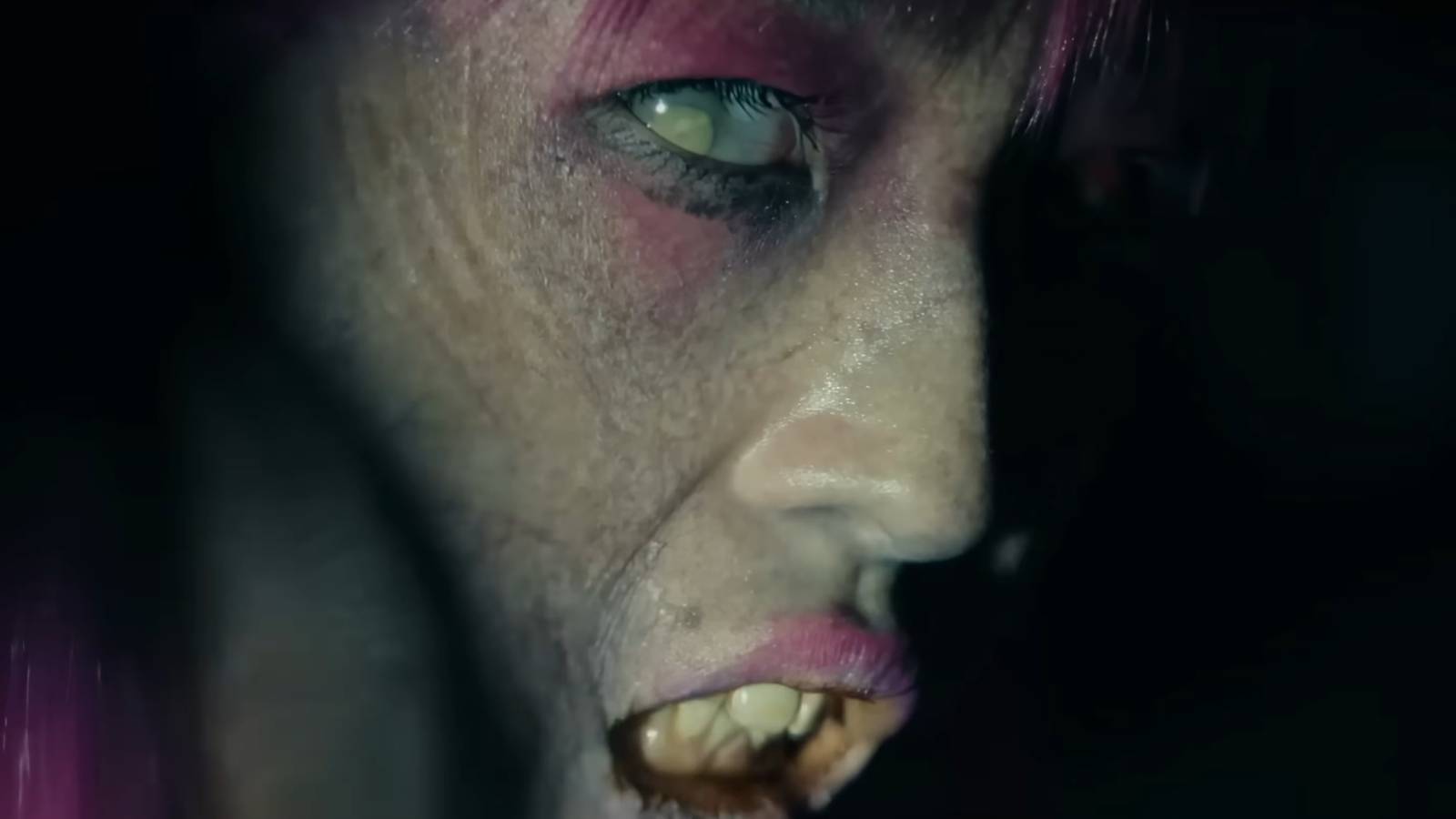
Danny Boyle’s film made its infected terrifying through speed and relentless aggression. We Bury the Dead can be frightening for the opposite reason. Its undead are often quiet and strangely focused. Sometimes the most disturbing sight is simply a dead person standing still, grinding their teeth, or repeating an action associated with their former life.
That approach gives the movie a different kind of tension. Ava cannot always know whether an undead person is about to attack or is simply trying to finish something left behind from their previous existence.
The film also arrives at an interesting moment for the zombie genre. The Last of Us has emphasized the human stories within an outbreak, while 28 Years Later has returned the terrifying speed and unpredictability of infected humans to theaters. We Bury the Dead takes yet another path by making the behavior of the dead itself the central mystery.
The father digging his family’s grave and Riley’s refusal to let go of Katie are not minor details surrounding the horror. They are central to what the movie is trying to explore.
Why We Bury the Dead Deserves More Attention
At only 95 minutes, We Bury the Dead leaves little space for unnecessary detours. Hilditch uses that compact runtime to establish an unusual set of rules for his undead and to build a story around grief, guilt, marriage, and the difficulty of letting go.
That makes the movie stand out in a genre that has repeatedly searched for fresh ways to make the dead frightening.
Some of its most memorable moments have nothing to do with escaping a horde. Watching the undead carry out the final remnants of their lives can be far more unsettling than another conventional chase.
For a genre already crowded with familiar variations on the zombie formula, We Bury the Dead offers something genuinely distinctive: undead characters whose greatest horror may be the fact that, in some small and disturbing way, they still have something left to finish.