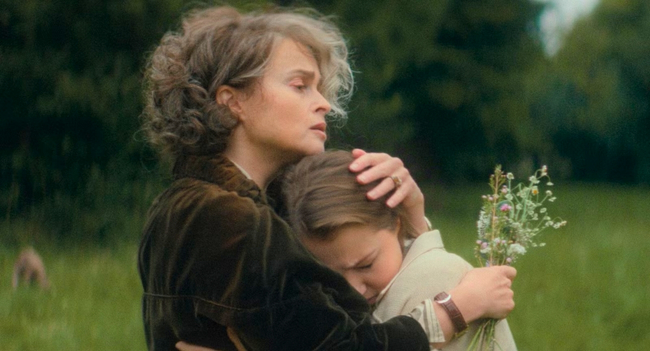
Agatha Christie adaptations have spent years trying to make her mysteries darker and grittier. Netflix’s 2026 series Agatha Christie’s Seven Dials offers a strong argument for abandoning that approach. Its biggest strength is its breezy, playful tone, suggesting that many recent adaptations have misunderstood one of the most important qualities of Christie’s writing.
Although Arthur Conan Doyle’s Sherlock Holmes, along with Edgar Allan Poe’s influential short story “The Murders in the Rue Morgue,” helped establish detective fiction, Agatha Christie became the genre’s defining literary figure. She created Hercule Poirot, helped establish the cozy mystery through Miss Marple, and became the bestselling and most influential mystery and thriller writer of all time.
Christie’s influence extends far beyond traditional detective stories. Her 1939 novel And Then There Were None became an important influence on Giallo cinema and, later, the slasher genre. Even much darker modern series such as True Detective owe something to the storytelling traditions she helped establish.
Her work has also been adapted for the screen for nearly a century. The first feature film adaptation, 1928’s The Passing of Mr. Quin, was based on her short story “The Coming of Mr Quin.”
Christie’s Mysteries Were Usually More Playful Than Dark
The problem with many major Christie adaptations from the 2010s was not their quality of filmmaking. It was their tone.
As grim detective dramas such as Bosch, True Detective, and The Sinner became popular, several Christie adaptations attempted to adopt the same bleak, brutal atmosphere. That approach can work extremely well in the right material. Mare of Easttown, Under the Banner of Heaven, and the acclaimed 2018 adaptation of Gillian Flynn’s Sharp Objects all benefited from their darker moods.
But that style rarely fits Christie’s work as a whole.
There are certainly exceptions. And Then There Were None was exceptionally bleak for its time, while the later Poirot novel Hallowe’en Party is unusually cynical and disturbing, featuring a child victim and very few sympathetic characters beyond Poirot.
Those books, however, are not representative of Christie’s broader body of work. Most of her mysteries were designed to be entertaining above all else. Murder might be at the center of the story, but Christie often treated it with the same combination of seriousness and playfulness later seen in shows such as Murder She Wrote, Midsomer Murders, and Diagnosis Murder.
Christie was an obvious influence on all three series. Each features unconventional sleuths who are often underestimated, colorful and sometimes campy suspects, and a familiar mystery structure that keeps the focus on solving the crime.
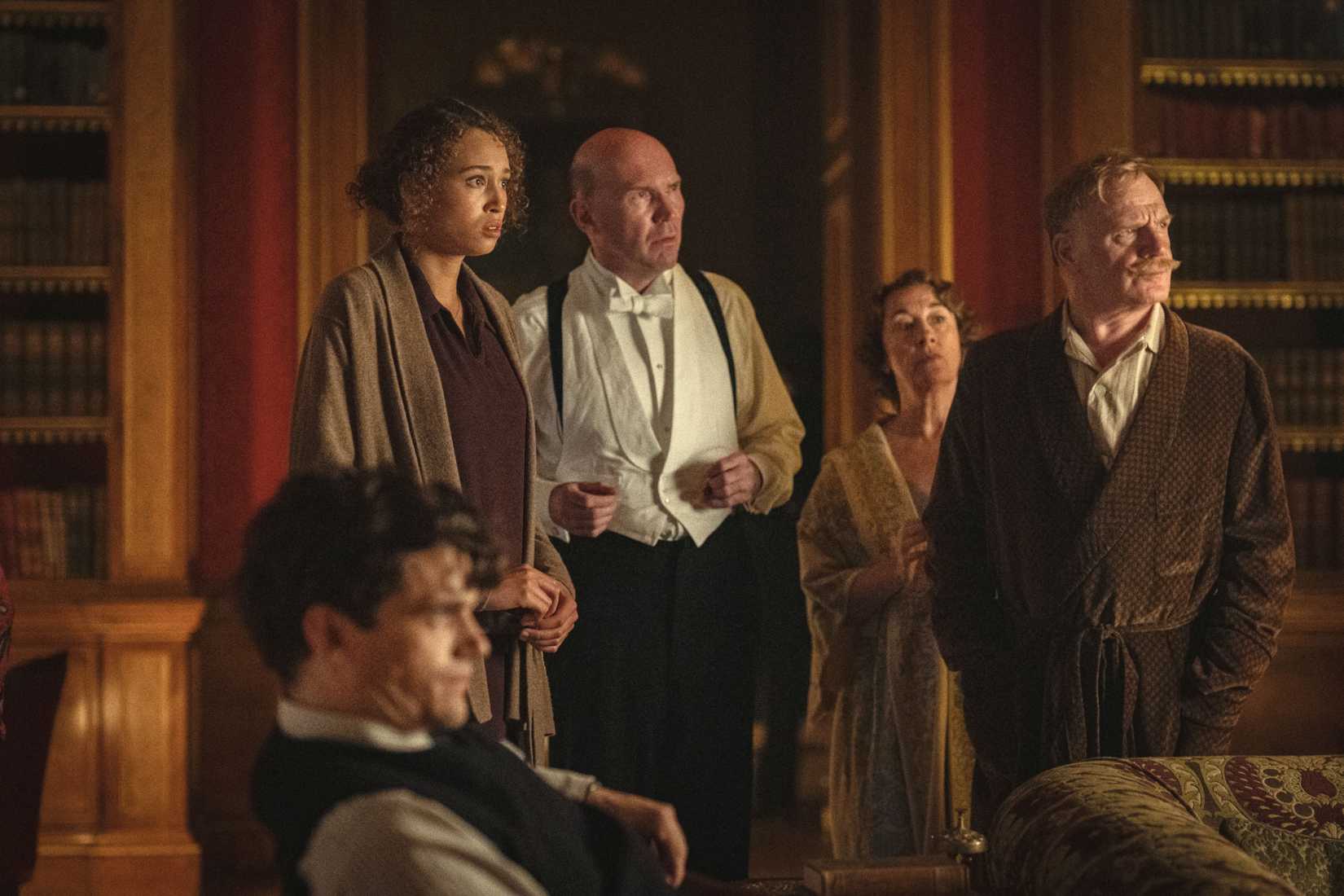
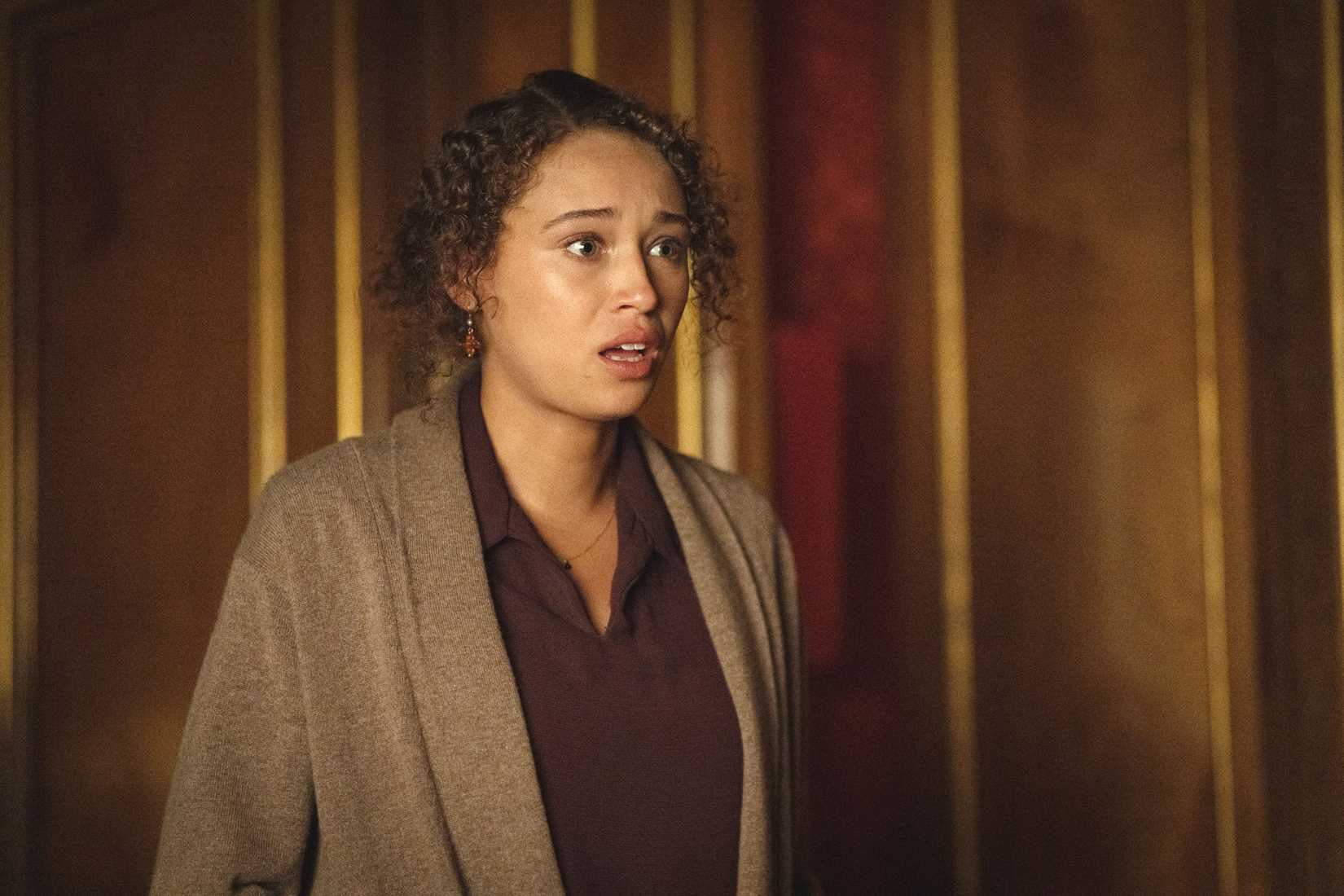
That is why the lighthearted tone of Agatha Christie’s Seven Dials has emerged as one of its most positively received qualities, despite the show’s somewhat mixed critical response. Its darker material, particularly the heroine’s grief following the murder of her lover, was criticized for clashing with the otherwise playful atmosphere.
In some respects, that criticism highlights what the series got right. Seven Dials might have worked even better if it had committed more fully to its comedic and entertaining side.
Recent Christie Adaptations Often Lost the Charm
At first, the idea that Christie’s mysteries should be fun might seem strange. Her stories revolve around murder, after all. Yet the popularity of Knives Out, Glass Onion, and Wake Up Dead Man demonstrates why Christie’s tonal balance remains so appealing.
The Daniel Craig-led films have been widely recognized as strong modern tributes to Christie precisely because they understand that a murder mystery can be clever, suspenseful, and entertaining at the same time.
That balance was something Christie herself maintained throughout much of her career. Her stories required a delicate tonal mix, but she generally managed to make the process of investigating murder enjoyable.
Several adaptations from the 2010s struggled to preserve that quality. In trying to capture the critical prestige associated with series such as the first season of True Detective, Hannibal, and The Killing, they sometimes stripped away the eccentricity and humor that made Christie’s mysteries distinctive.
The 2015 miniseries And Then There Were None is an important exception. Its bleak approach worked because the source novel itself is unusually dark, making the miniseries an appropriate adaptation of one of the rare books in Christie’s catalog that genuinely supports such a tone.
Other adaptations were less successful.
The 2018 series The ABC Murders and Kenneth Branagh’s 2017 film Murder on the Orient Express both presented a much more miserable version of Christie’s world. In each case, Poirot became a scowling and traumatized figure, transforming one of literature’s most eccentric detectives into something resembling a tortured antihero.
That change fundamentally misunderstood the character. Turning Poirot into a mustachioed version of True Detective’s Rust Cohle removed much of the charm that made him compelling in the first place.
Seven Dials Shows What Christie Adaptations Need
Poirot’s strange habits, obsessive personality, and constant teasing of his long-suffering companions may initially appear to be minor character traits. In reality, they play an important role in Christie’s storytelling.
Her suspects are generally suspicious enough that almost anyone could be responsible for the murder. That creates a need for a central character who gives the audience someone to trust and root for.
Poirot serves that purpose through his eccentric mannerisms and obsessive approach to solving crimes. Miss Marple provides a similar counterbalance through her love of gossip and understated wit.
Both detectives bring humor and personality to stories that can otherwise be filled with deception, suspicion, and murder.
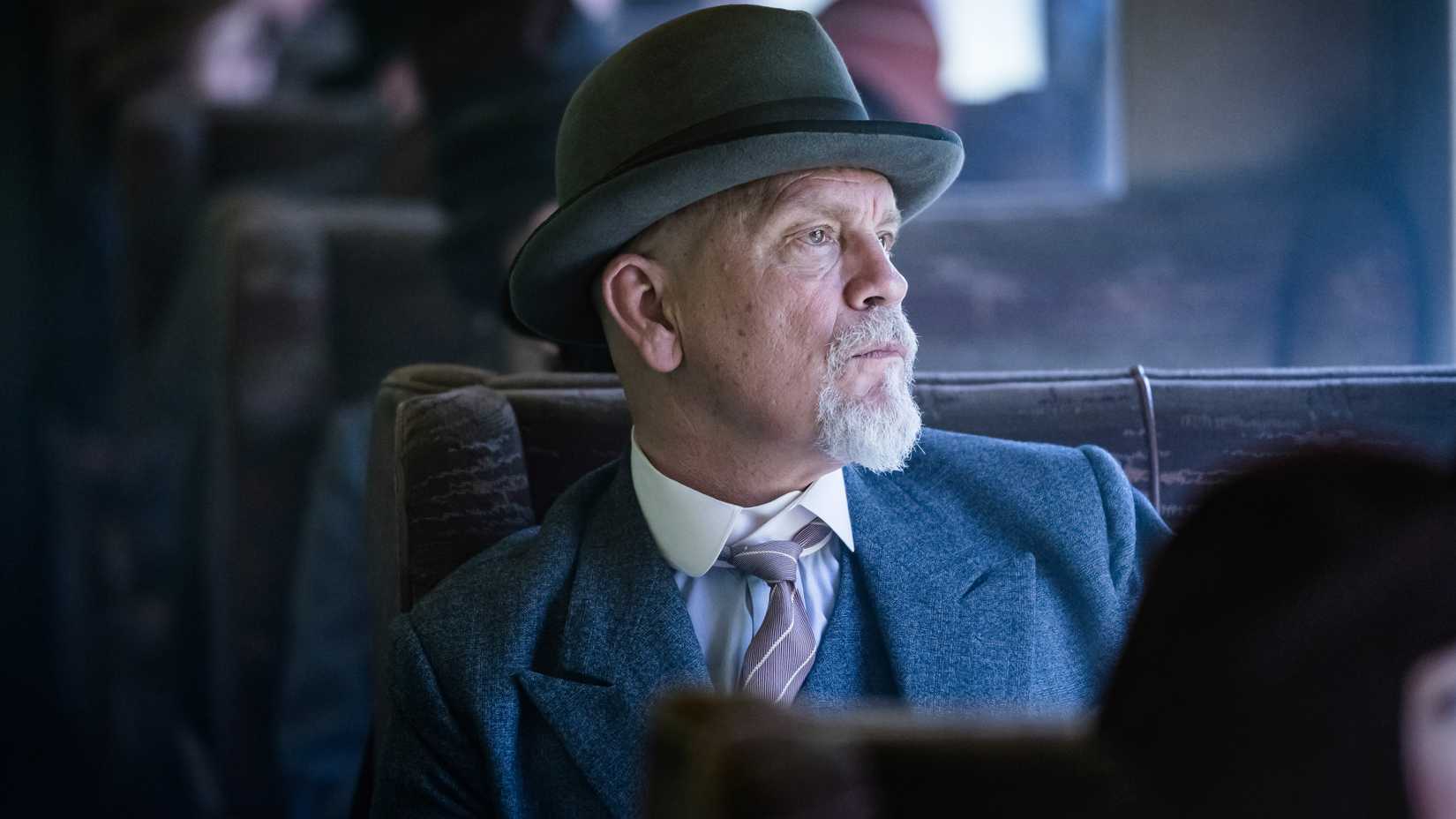
That balance is missing from adaptations such as The ABC Murders. John Malkovich’s Poirot is portrayed as a deeply troubled and brooding man, leaving little room for the humor or eccentricity that traditionally made the character so appealing. Without that lighter element, the story becomes almost entirely bleak.
Netflix’s Agatha Christie’s Seven Dials, along with 2022’s Why Didn’t They Ask Evans?, points toward a more promising direction. Why Didn’t They Ask Evans? was even lighter in tone than Seven Dials and received stronger acclaim, reinforcing the idea that Christie adaptations benefit when they embrace the playful spirit of her mysteries.
Interestingly, Kenneth Branagh’s third Poirot film, A Haunting in Venice, reached a similar conclusion despite being based on a particularly dark Christie novel. Its stranger, campier tone had more in common with Seven Dials than Murder on the Orient Express, and the result was a considerably better adaptation.
For future Christie adaptations, the lesson is relatively simple: darkness can work when the source material calls for it, but the eccentricity, wit, and fun at the heart of most of Christie’s mysteries should not be sacrificed in the pursuit of gritty prestige drama.