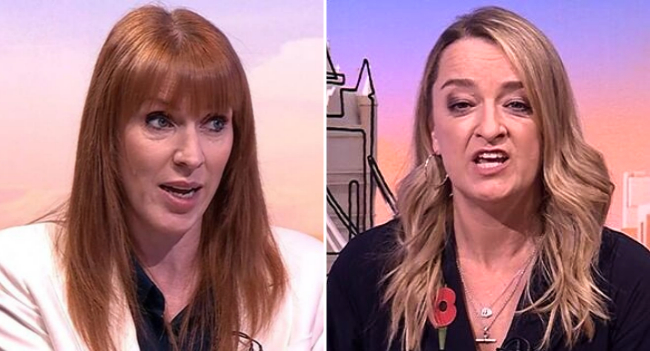
Angela Rayner came under sustained questioning from BBC presenter Laura Kuenssberg after Prime Minister Andy Burnham called for an “honest discussion” about the possibility of restoring freedom of movement between the UK and the European Union.
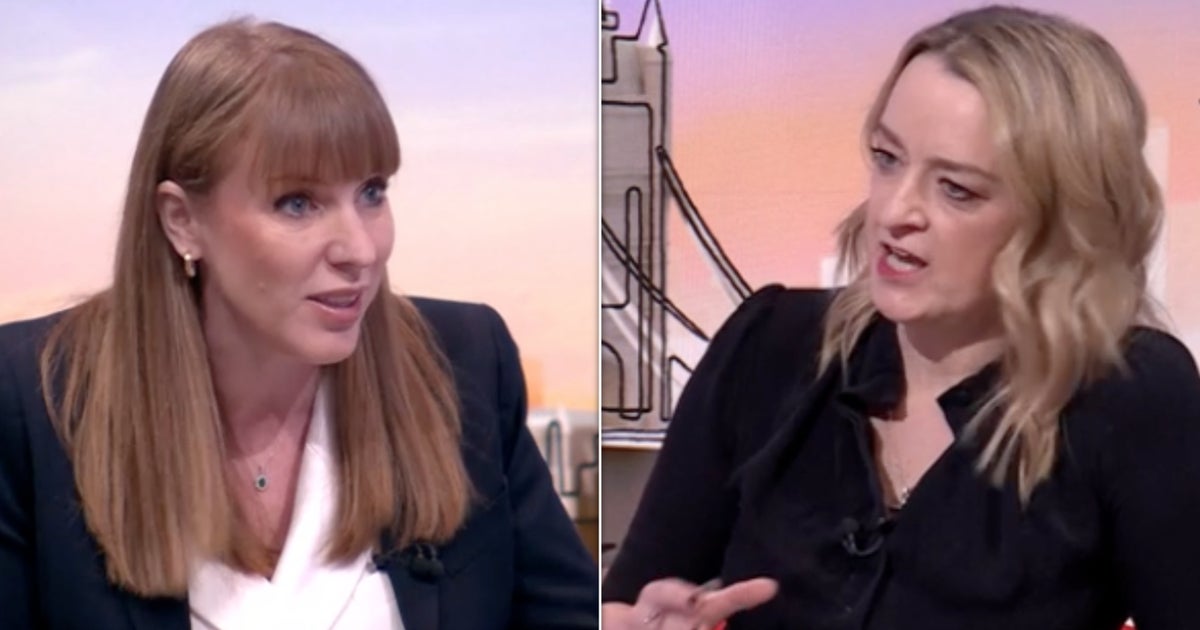
The two clashed during Sunday with Laura Kuenssberg on October 25, with both women repeatedly interrupting each other as the presenter pressed the senior Labour politician to clarify whether she supported reopening the Brexit debate.
Rayner defended the Prime Minister’s position but repeatedly declined to give a direct yes-or-no answer on whether Britain should return to the system that previously allowed UK and EU citizens to live and work freely across each other’s territories.

Kuenssberg Challenges Rayner Over Labour’s 2024 Manifesto
The exchange began with Kuenssberg reminding Rayner that Labour’s 2024 election manifesto explicitly ruled out a return to freedom of movement.
“You stood on that manifesto. Andy Burnham promised to stick to that manifesto. He’s breaking that promise, isn’t he?” the presenter asked.
Rayner rejected the suggestion, insisting that the government was not reopening the issue during the current parliamentary term.
“No, he isn’t, because he’s been really clear that this Parliament, that manifesto, we are clear. We’re not reopening that debate,” she replied.
However, Kuenssberg immediately challenged her response, pointing out that Burnham had already raised the possibility of reconsidering freedom of movement.
“He’s literally just reopened this debate,” she interjected.
Rather than directly addressing that criticism, Rayner argued that the government needed to look ahead and consider Britain’s long-term relationship with Europe.
She referred to a 10-year plan being developed by the government, noting that October 2026 marked a decade since the UK voted to leave the European Union.
“We can’t go backwards. That’s not a possibility for us. We have to go forwards, and therefore you have to look at what that future relationship will look like,” she said.
Rayner also maintained that changes already made had saved billions of pounds while helping trade with the EU continue.

Rayner Resists Pressure to Outline Labour’s Next Manifesto
Kuenssberg then sought clarification on what Labour might propose at the next general election, suggesting that Rayner’s comments could indicate a willingness to reconsider the party’s existing position.
Rayner pushed back, saying she was not going to write an election manifesto during a television interview.
“I’m not going to write a manifesto here today on the show,” she said.
She went on to highlight other government priorities, including the proposed National Care Service and changes to the pensions triple lock.
Kuenssberg was quick to bring the conversation back to the issue at hand.
“Hang on, we’re talking about movement here,” she said.
Rayner responded that the discussion formed part of a broader programme intended to bring the country together and establish a direction for Britain’s future, rather than revive the political arguments of previous years.
But the presenter remained determined to establish Rayner’s personal position.

“Should We Return to Freedom of Movement?”
Kuenssberg pointed out that Rayner had been a senior politician throughout the Brexit debate and asked her directly whether she believed Britain should restore freedom of movement.
The question specifically addressed the previous arrangement under which British citizens could live and work across the EU, while EU citizens could do the same in the UK, without the restrictions introduced after Brexit.
Rayner again avoided a straightforward answer, instead recalling the promises made during the 2016 referendum campaign.
“I remember the Brexit debates, and I remember the promises that were made to the British people: leave the European Union, more money coming into our NHS, better economy,” she said.
She argued that those promises had not been fully realised and said the government now needed an evidence-based conversation about the costs and benefits of Britain’s future relationship with Europe.
Kuenssberg pressed her once more, asking what Rayner herself wanted to see happen.
Rayner replied that her priority was securing the best possible deal for her constituency and the country.
She pointed to what she described as a 20% reduction in exports, alongside increased red tape and trading difficulties that had made it harder for some British businesses to work with the UK’s biggest trading partners.
“I would like us to have an honest conversation about what the trade-offs could be, and then put that to the people at a general election,” she said.
Still, the presenter was not satisfied that the central question had been answered.
“And does that include the possibility of going back to freedom of movement?” Kuenssberg asked.
Government Insists Britain Cannot Return to 2016
Rayner maintained that Burnham wanted to open a wider conversation about the country’s future relationship with the EU, rather than simply restore the arrangements that existed before Brexit.
She stressed that Britain had already left the bloc and could not simply return to its previous position.
The discussion, she argued, should focus on finding better solutions to practical challenges, including tackling international criminals, improving trade and supporting British farmers and exporters.
Her comments echoed the government’s broader argument that any future agreement with Brussels should be assessed on its merits, with the potential trade-offs discussed openly before proposals were put to voters.
The disagreement comes after Burnham called for an evidence-based debate about the possibility of restoring freedom of movement as part of a closer relationship with the EU. His comments have raised questions about how Labour might approach its existing manifesto commitments, which ruled out a return to freedom of movement, single market membership and a customs union.
Burnham has said he wants the public to have a clearer understanding of the available options, while Rayner has backed the principle of discussing what arrangements could deliver the best outcome for Britain.
Her interview with Kuenssberg, however, left the specific question of whether she supports a return to freedom of movement unanswered.