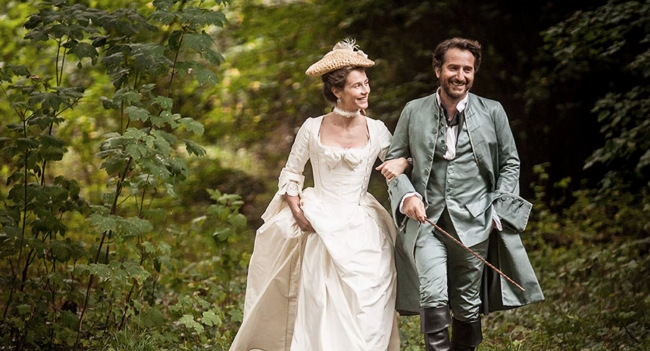
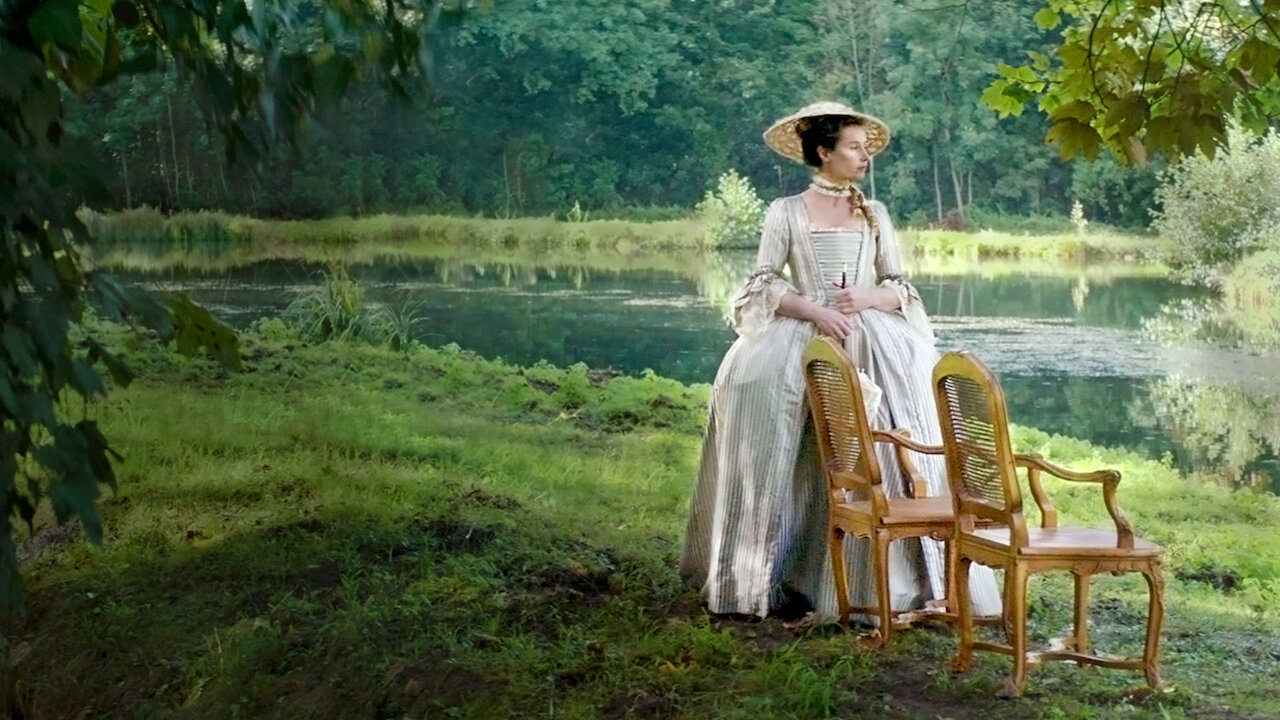
The film takes its story from Denis Diderot’s 1796 novel Jacques the Fatalist and centres on Madame de La Pommeraye, a young widow who, much like Austen’s heroines, has quietly come to accept that perhaps true love is simply not in her future. Everything changes when the Marquis des Arcis, a self-confessed libertine with the same assured confidence as Mr Darcy, spends two years persistently trying to win her over. Just as Austen’s novels often turn on the moment when a heroine’s expectations are suddenly upended, Lady J takes a similarly dramatic turn, as viewers will discover.
While Austen relied on restraint and irony, Lady J embraces a much bolder approach: a revenge story infused with elegance, set amid powdered wigs, candlelit salons and stunning costume design. For fans of BBC period adaptations, its visual style will be instantly irresistible.

Viewers have been quick to champion the film online, with one IMDb reviewer declaring it “a great surprise”. They added: “This movie was filled with “beautiful” costumes and sets with “intricacies that made almost every scene fit to be painted”.
Another fan commented: “The film is beautifully crafted. I enjoyed every single color palette and the perspective chosen in every scene.
“Although the plot is a little predictable, it very much suits the reality of the characters and where they lived in. I loved the concept of a subtle revenge and karma. That everything you did will always get back at you one way or another.”
With an 85% approval rating on Rotten Tomatoes and a reputation as a box office triumph in France, Lady J is the kind of hidden gem that Austen devotees will wonder how they ever missed.

Director Emmanuel Mouret spoke to Eye for Film about the beauty of author Diderot’s work, sharing: “What I think is interesting about Diderot is that he is someone who is always criticizing and asking questions. He never stops on a definitive opinion. And even when he himself has an opinion on something he puts it in question. It’s a thought that is always evolving, moving.
“And what’s beautiful in that story is that the audience can often make a mistake on the characters. After seeing the film, obviously the subject of the film is love.
“But what opinion can one have of love? It’s something that can be fantastic as well as diabolical. However I think that Diderot loves love. Because love creates movement. But he also knows well that love can create the worst injuries.”
Lady J is on Netflix